The Hanford Site is now immobilizing radioactive waste in glass: a process known as vitrification. PNNL contributed 60 years of materials science expertise—and is providing operational support—to help the nation meet this cleanup milestone.
PNNL researchers continue to deliver high-quality, high-impact research on radioactive waste and nuclear materials management, earning “Papers of Note” and “Superior Paper” awards.
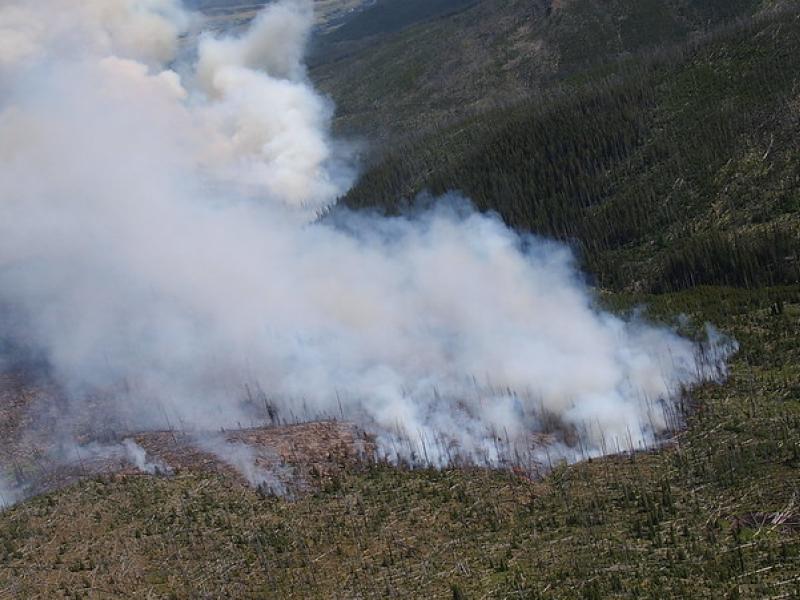
This study used historical data, remote sensing, and aquatic sensors to measure how far wildfire impacts propagated through the watershed after the 2022 Hermit’s Peak/Calf Canyon fire, New Mexico’s largest wildfire in history.
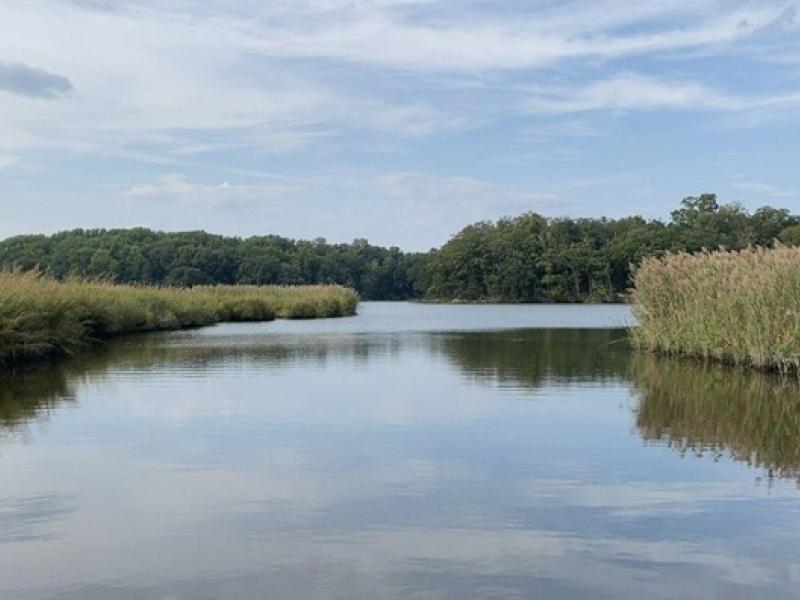
The Coastal Observations, Mechanisms, and Predictions Across Systems and Scales: Field, Measurements, and Experiments project established a network of observational field sites across Chesapeake Bay and western Lake Erie.
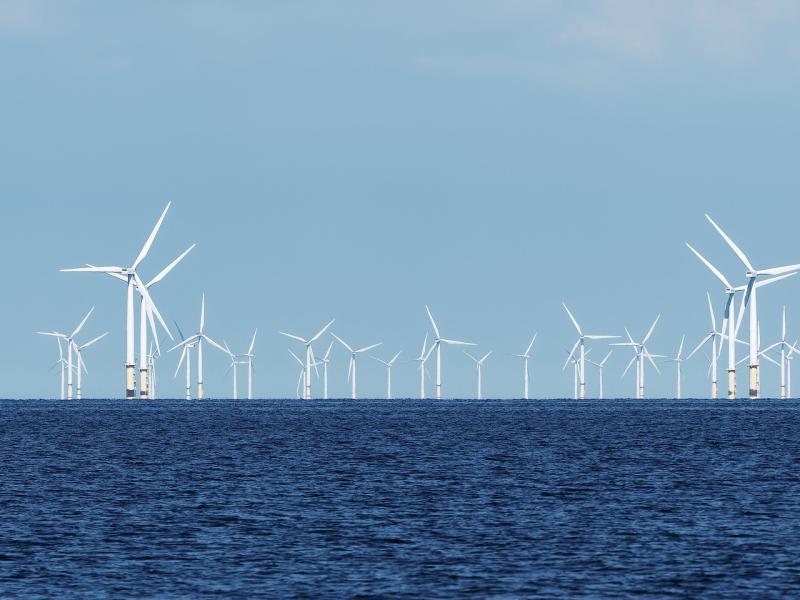
A new analysis shows how renewable energy sources like solar, wind and hydropower respond to climate patterns, and how utilities can use this data to save money and invest in energy storage.
Three PNNL-supported projects are at the forefront of developing advanced data analytics technologies to enhance the U.S. power grid’s reliability, resilience, and affordability.
The National Transmission Planning Study presents several transmission expansion scenarios that would reliably support the growing demand for energy across the nation.
PNNL researchers earned five Papers of Note, 17 Superior Papers, and one poster award for their environmental remediation, radioactive waste, and nuclear energy-related presentations.
The Grid Storage Launchpad dedication event was attended by leaders in grid and transportation energy storage, battery innovation, and industry stakeholders working to transform America’s energy system.
Erich Hsieh, Deputy Assistant Secretary for OE’s Energy Storage Division, shared insights about the Grid Storage Launchpad and energy storage innovations .