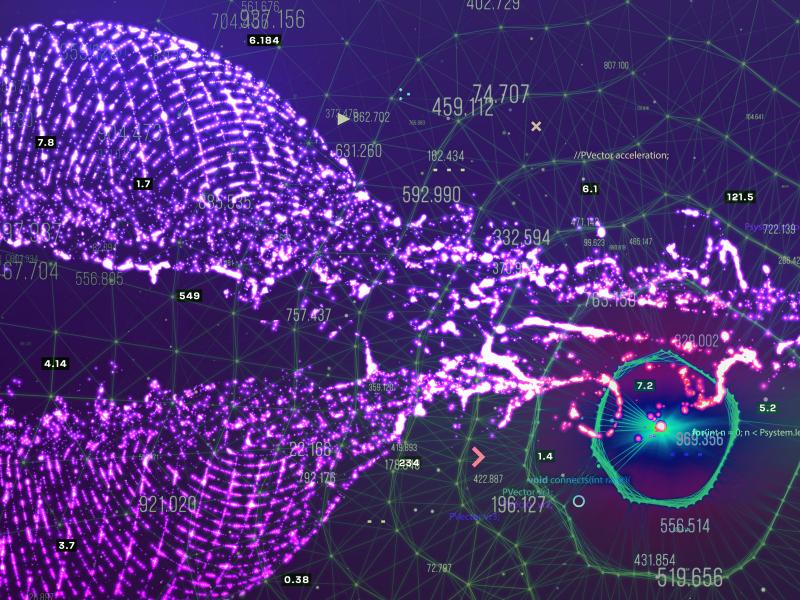
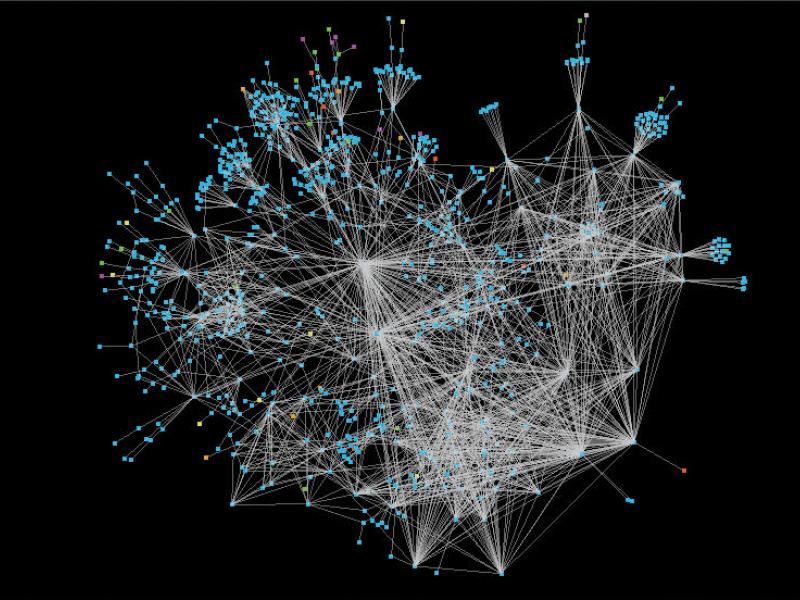
In today’s digital age, the rabbit hole of connected information can be not only a time sink, but downright overwhelming. Even for high-performance computers.
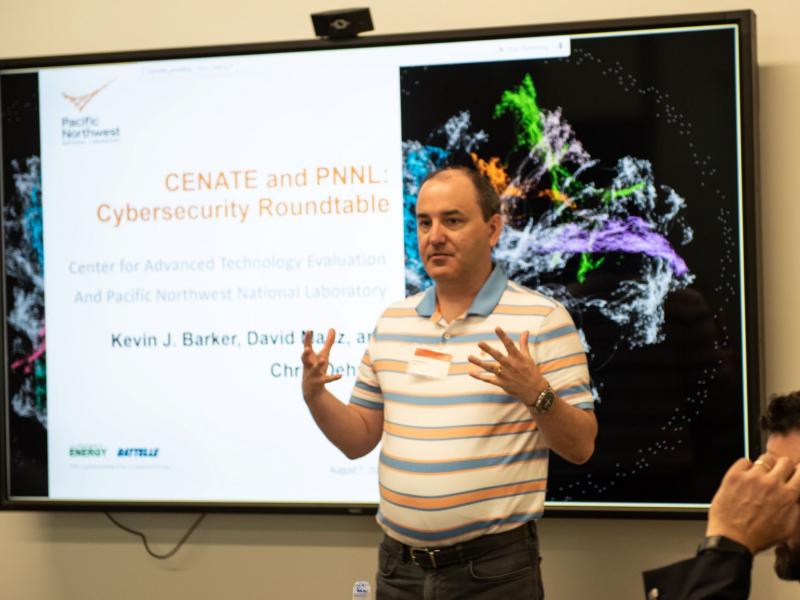
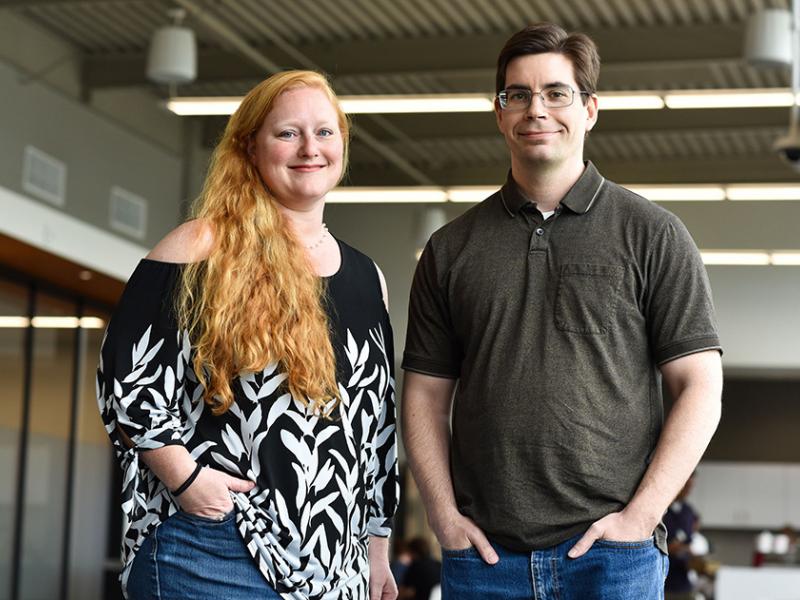
Twenty-four analysts from U.S. intelligence organizations met in August for a machine learning activity with PNNL researchers Nicole Nichols, Jeremiah Rounds, Lawrence Phillips, and Brian Kritzstein.
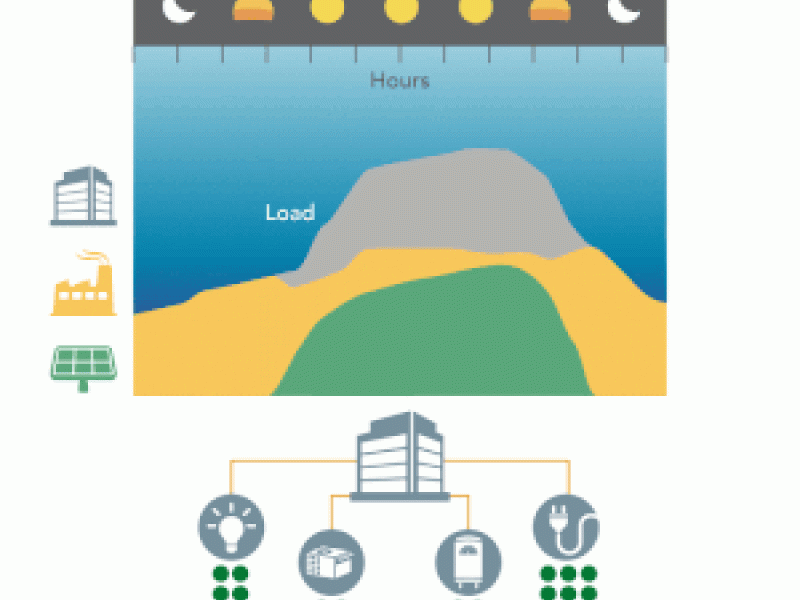
Trouble on the electric grid might start with something relatively small: a downed power line, or a lightning strike at a substation. What happens next?
Pacific Northwest National Laboratory is leading efforts to address next-generation computing’s critical role in protecting the nation from cybersecurity threats.
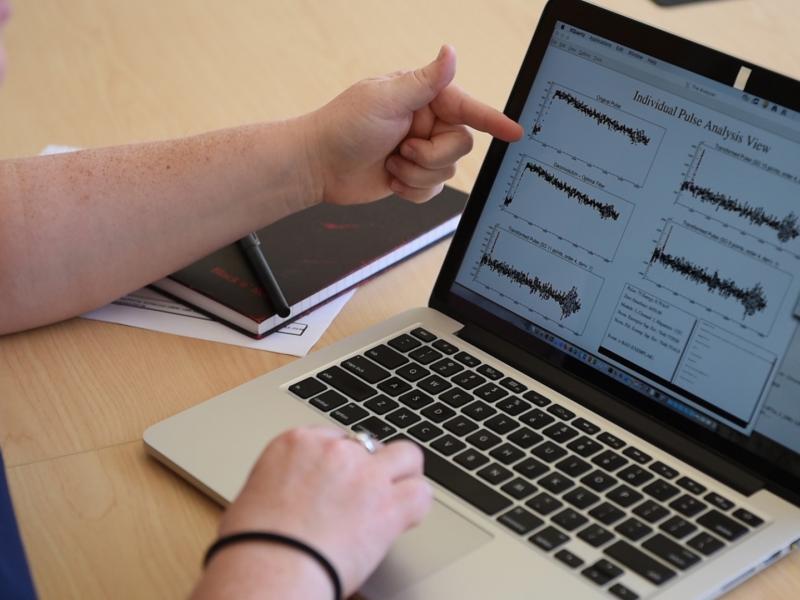
Researchers at PNNL are applying deep learning techniques to learn more about neutrinos, part of a worldwide network of researchers trying to understand one of the universe’s most elusive particles.
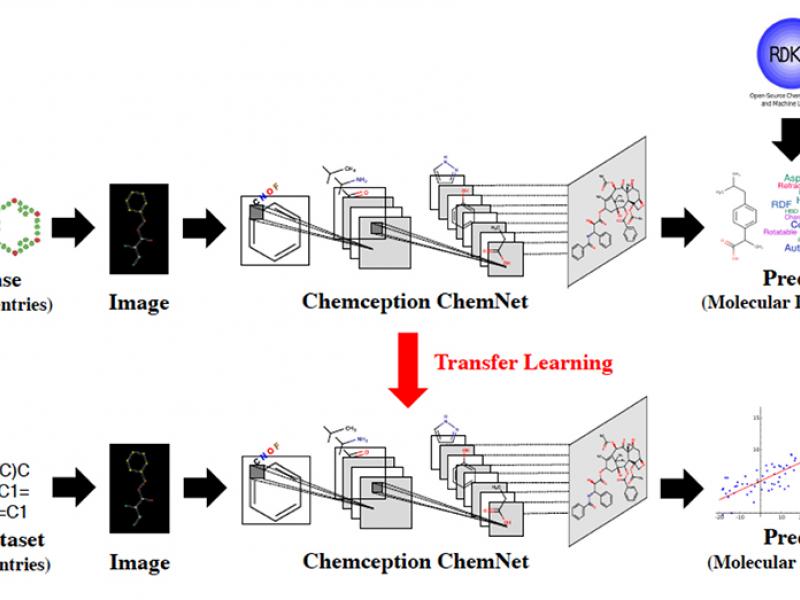
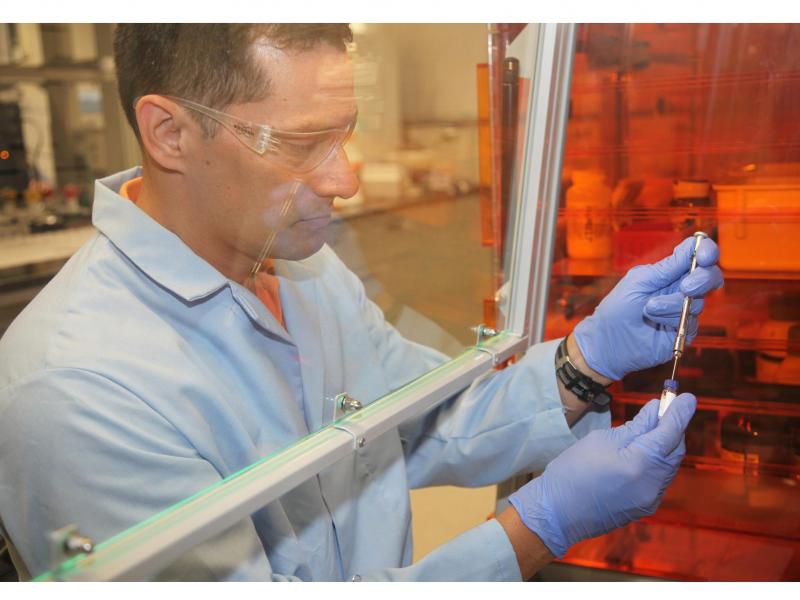
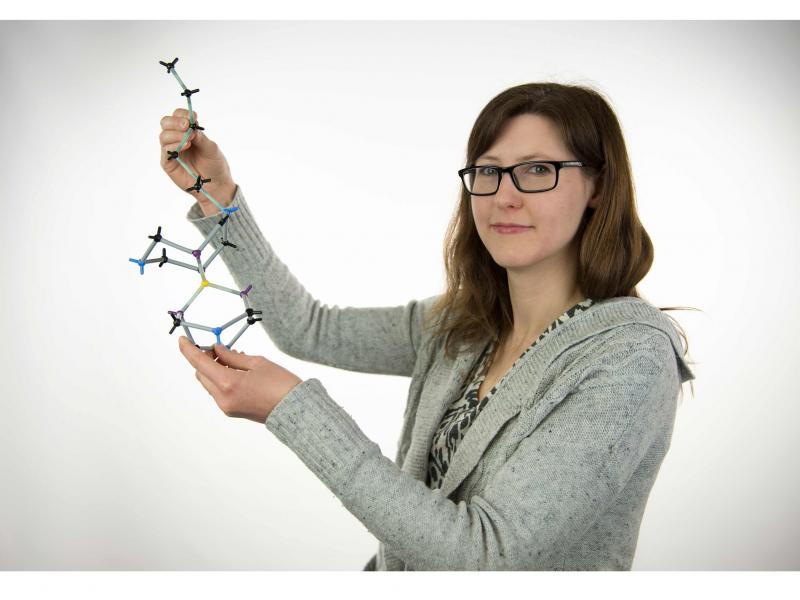
Scientists created a fast-track tutorial that equips a neural network to tackle drug discovery and other applications where there's a shortage of precisely labeled chemical data.
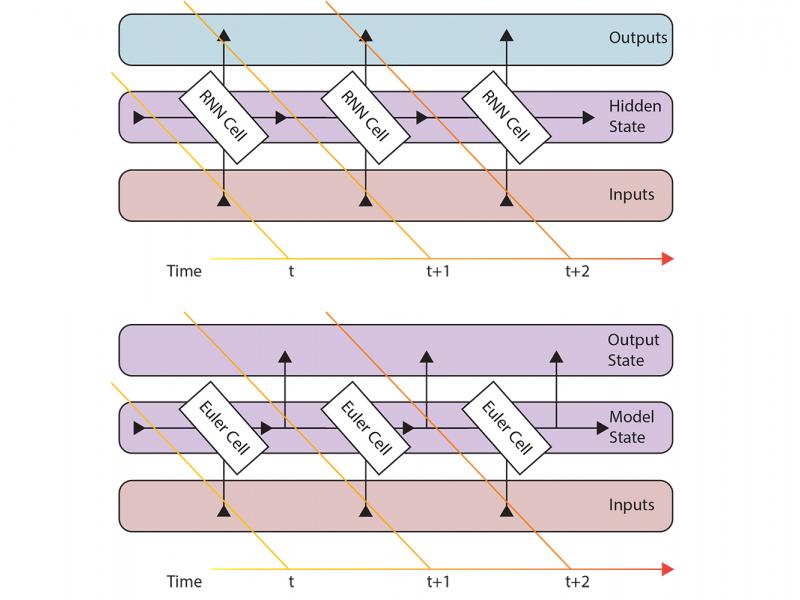
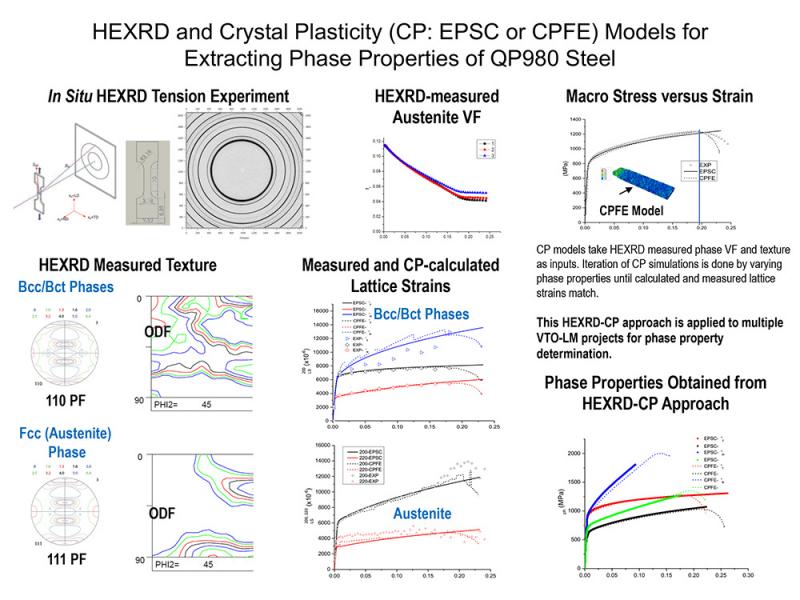
Scientists are exploring the use of deep neural network to interpret highly technical data related to national security, the environment and the cosmos.
Pointing the finger at chemical criminals: Several scientists from PNNL and other institutions will discuss new methods and approaches at the American Chemical Society's national meeting in San Francisco April 2-6.