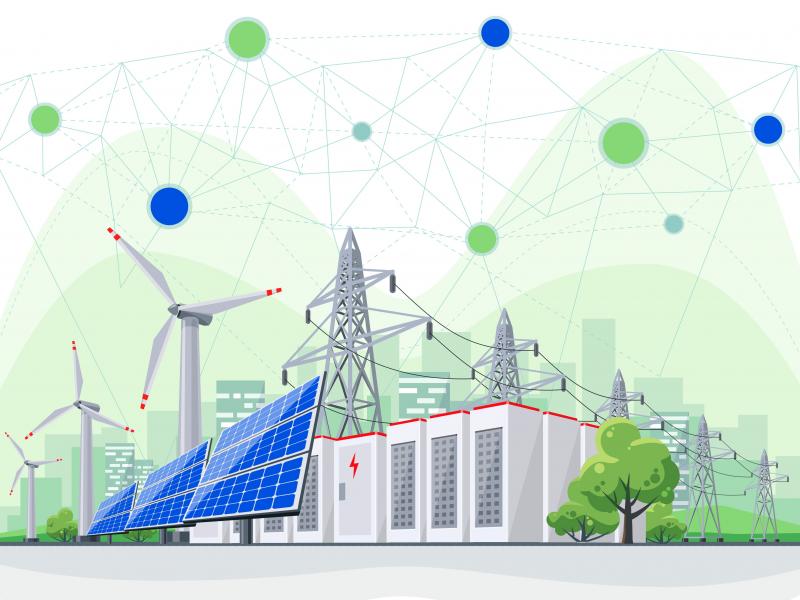
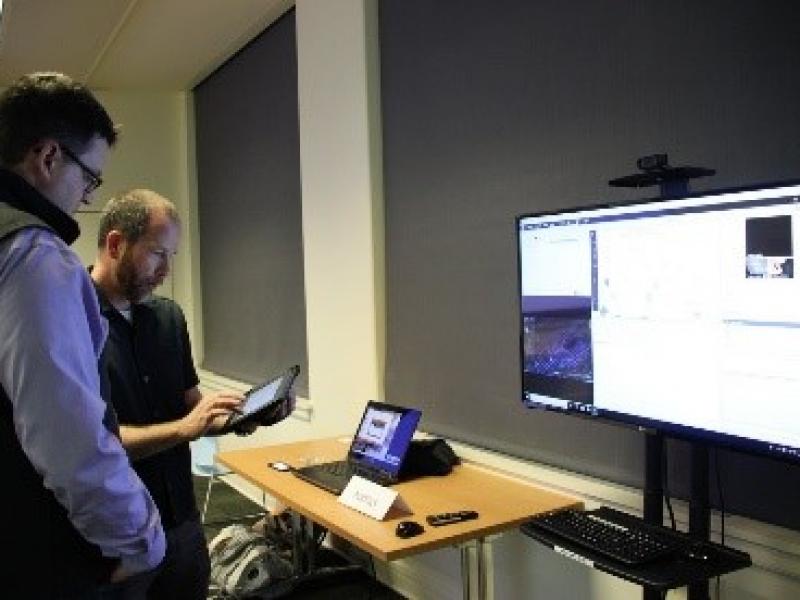
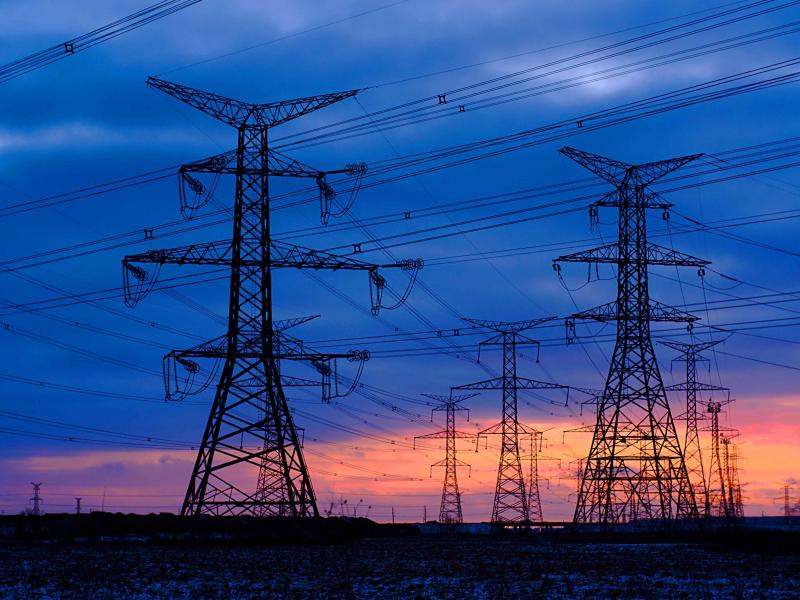
In one of the largest blockchain grid-cyber projects of its kind, PNNL is working with a network of industry partners to test and demonstrate blockchain’s ability to increase the cybersecurity resilience of power grid.
PNNL scientists today unveiled an updated tool designed to help stakeholders assess the nation's preparedness for biological-based dangers, also known as biothreats.
In November, Northeastern University Seattle (NU-Seattle) hosted "Smart Cities: Critical Infrastructure Protection" to explore technology and policy opportunities and challenges facing the smart city evolution.
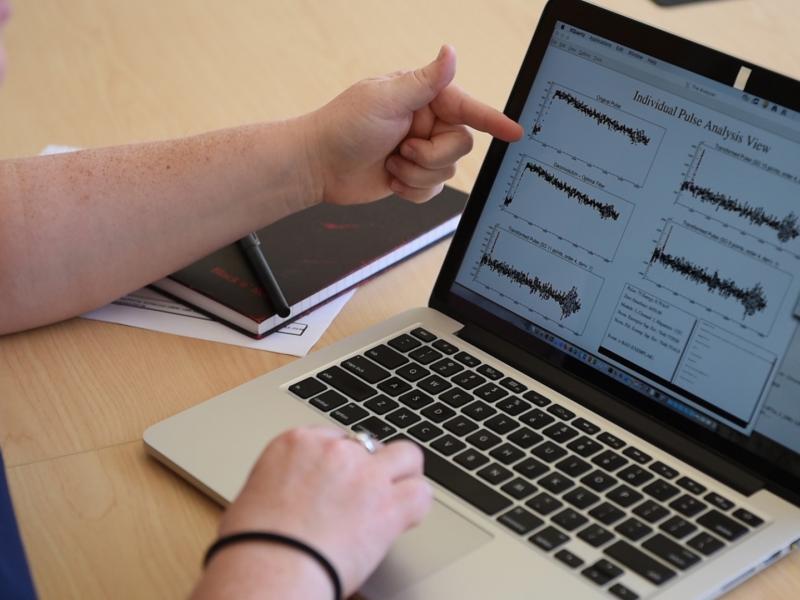
Scientists are exploring the use of deep neural network to interpret highly technical data related to national security, the environment and the cosmos.
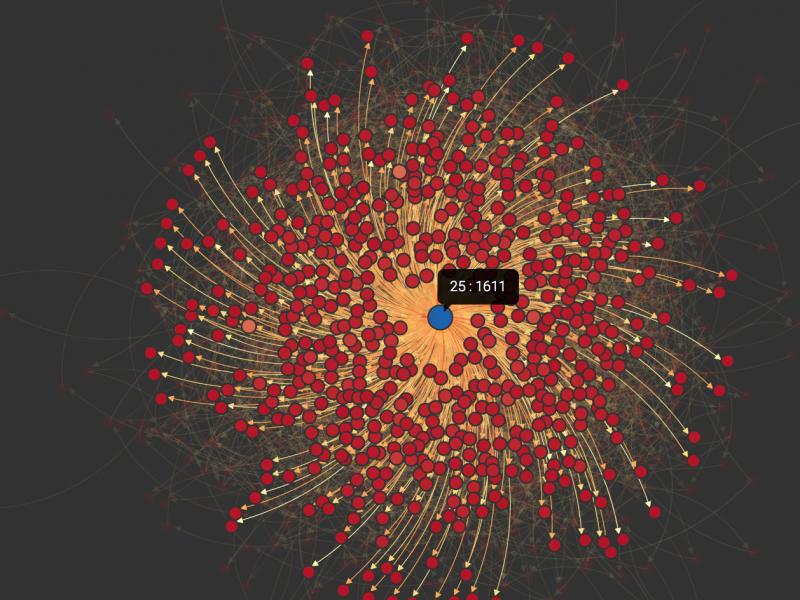
Monitoring the activity within a network in real-time can allow cybersecurity staff to detect cyberattacks quickly, before thieves steal data or crash your system.
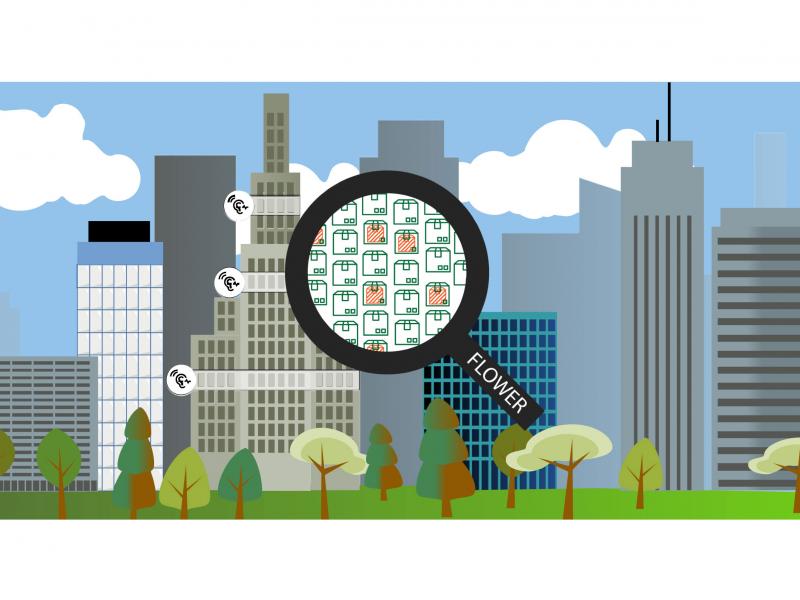
The FLOWER software app, named because it inspects network flows, or conversations between computers, can be deployed using a passive network tap anywhere in the enterprise to fight cybercrime.
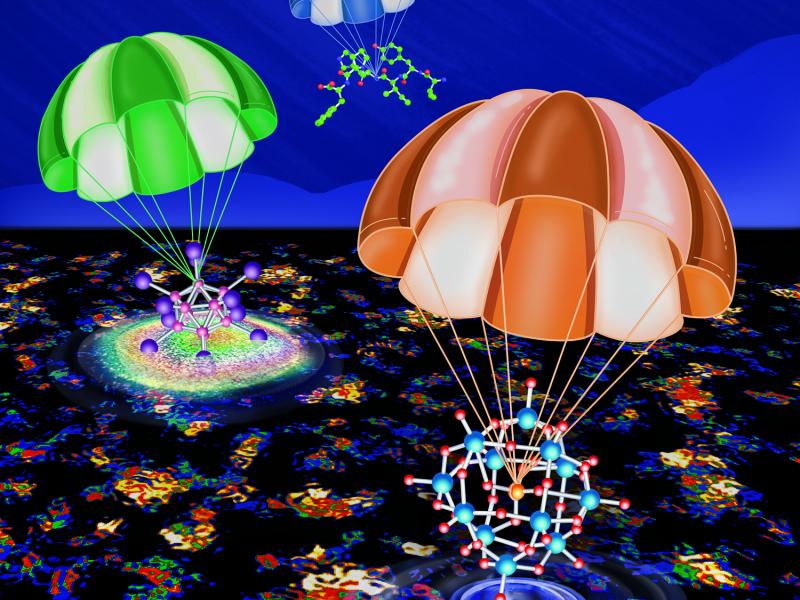
Pointing the finger at chemical criminals: Several scientists from PNNL and other institutions will discuss new methods and approaches at the American Chemical Society's national meeting in San Francisco April 2-6.
Nuisance alarm rates in radiation detectors at seaports and ports of entry are down significantly due to PNNL data analysis efforts that are saving time and money at the ports.