This PNNL project was the focus of Nune’s talk when he delivered the keynote for the Carbon Capture and Utilization track at the 2nd Annual Baker Hughes Energy Frontiers Summit.
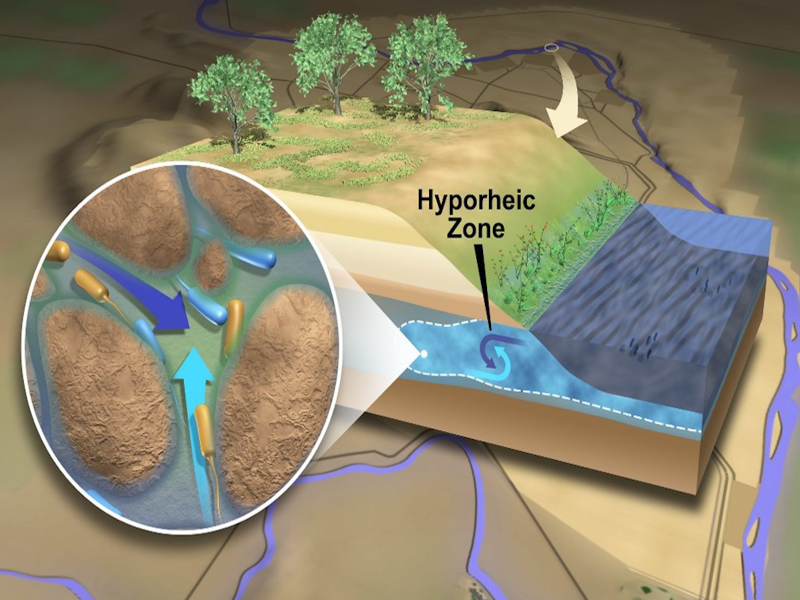
Across the United States, organic carbon concentration imposes a primary control on river sediment respiration, with additional influences from organic matter chemistry.
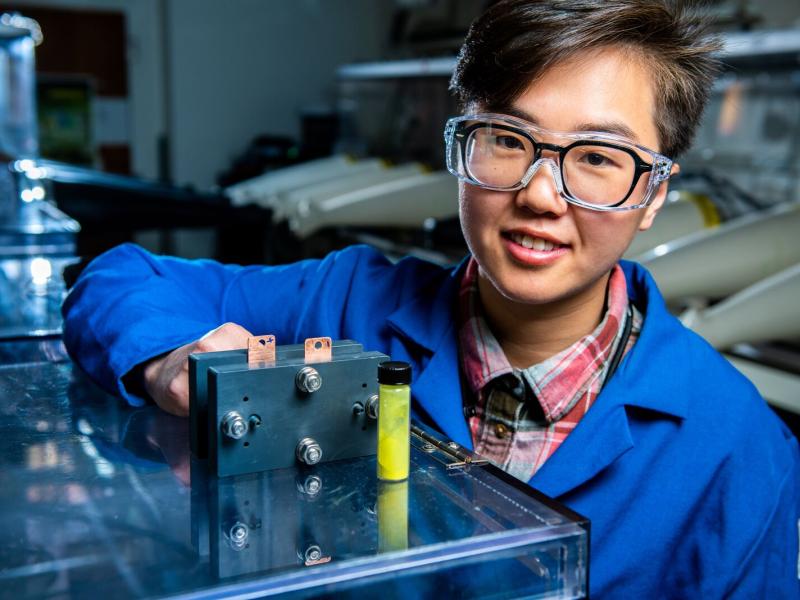
PNNL researchers are helping to better define the need for grid energy storage in future clean energy scenarios, as well as working to improve technologies for storing renewable energy so it's available when and where it's needed.
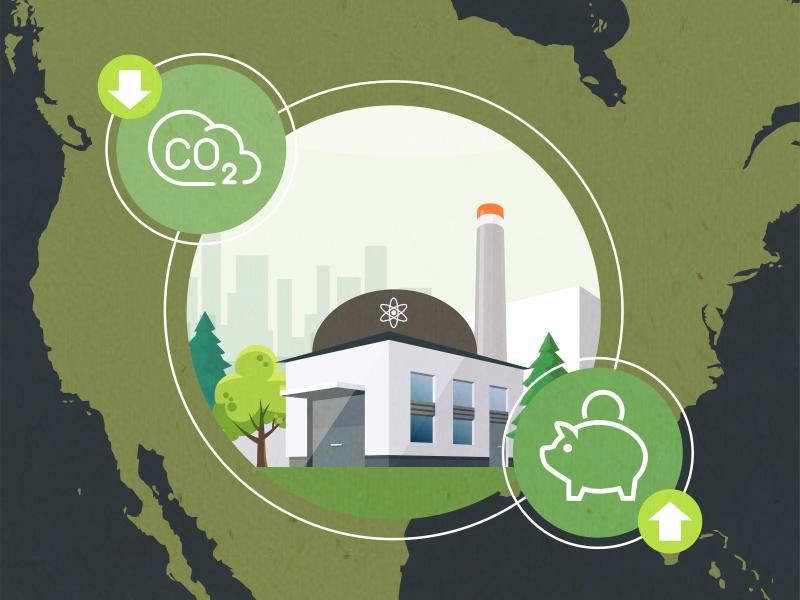
As the world races to discover solutions for reaching net zero carbon emissions, a PNNL analysis quantifies the economic value of the existing nuclear power fleet and its carbon-free energy contributions.
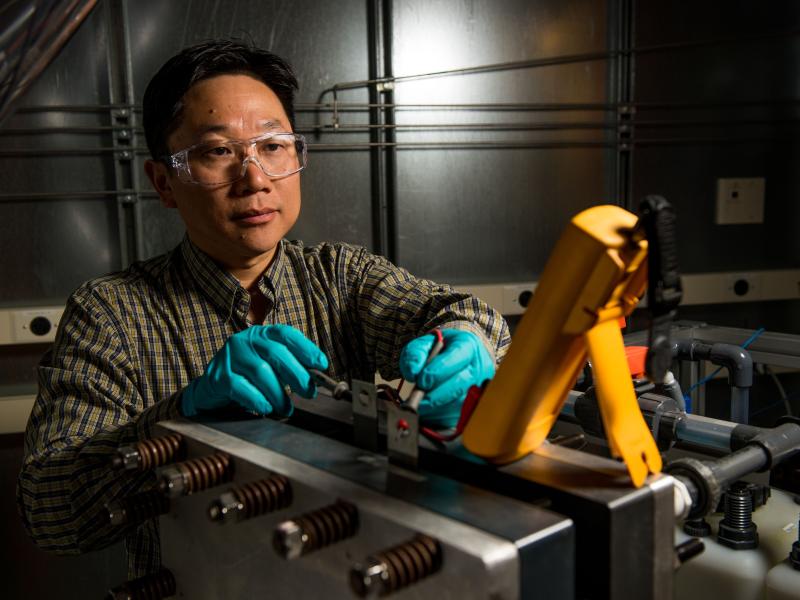
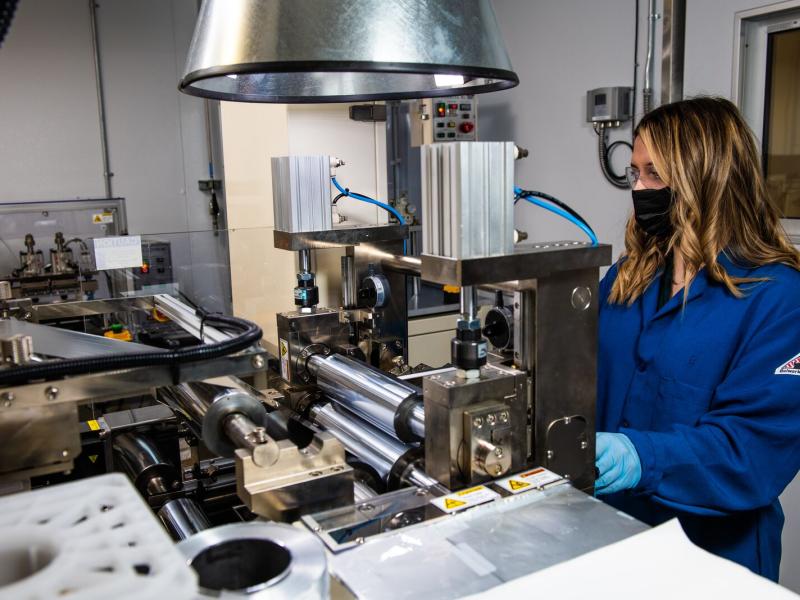
PNNL battery researcher Jie Xiao collaborates with academic and industry partners to address scientific challenges in manufacturing lithium-based batteries.
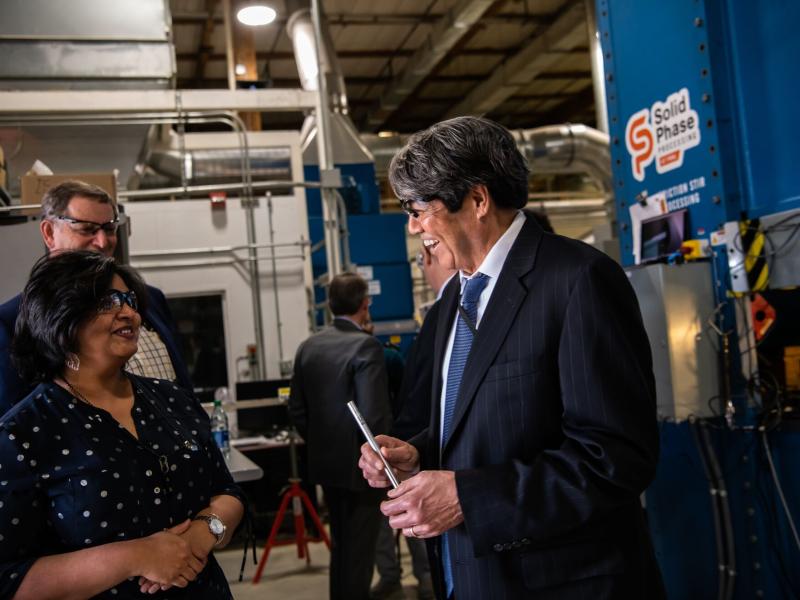
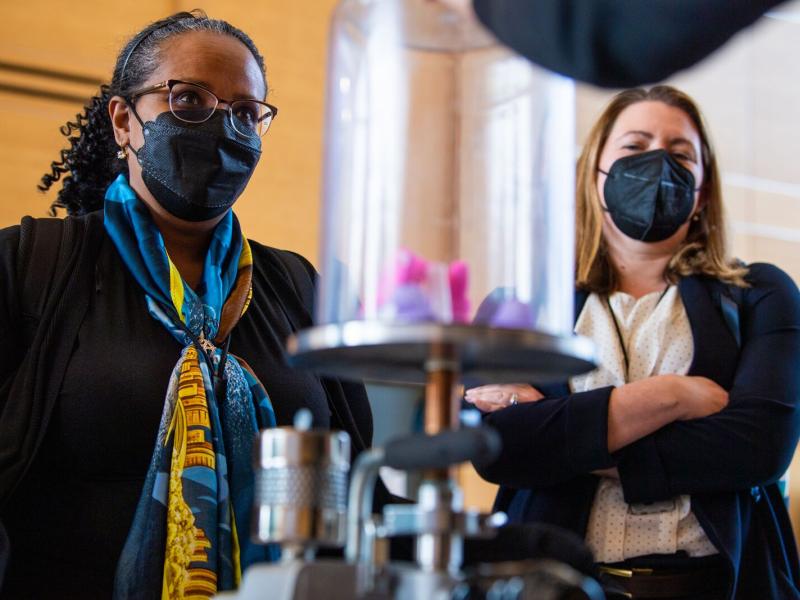
Department of Energy, Office of Science Director Asmeret Asefaw Berhe visited PNNL to learn about the Lab’s drive to conduct discovery science, commitment to science for an equitable future, and development of a diversified STEM workforce.
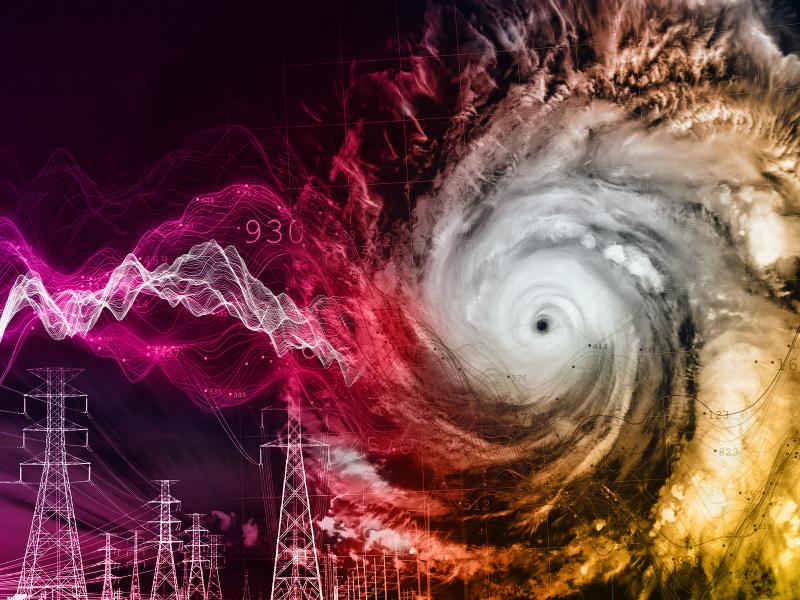
Report for the Oregon Public Utility Commission highlights innovations and best practices for resilience and utility planning could be helpful to other states as well.
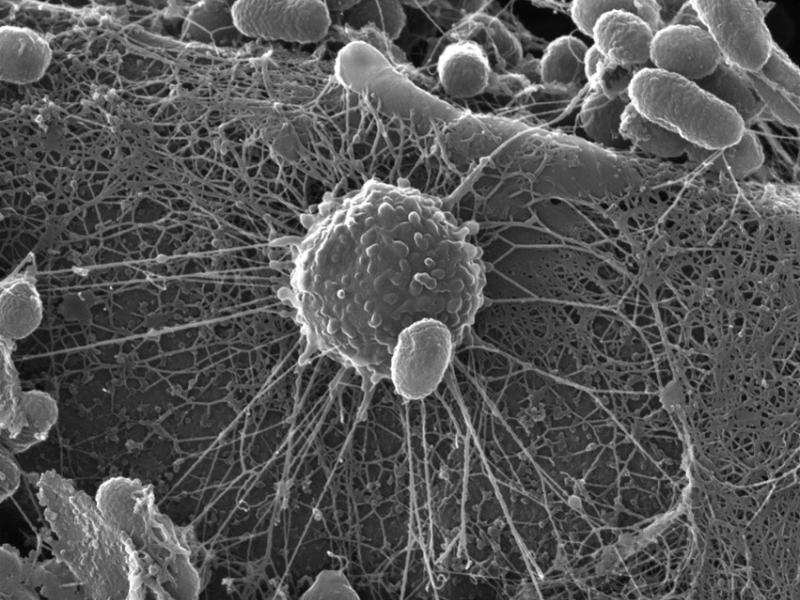
A team from the Environmental Molecular Sciences Laboratory published research, demonstrating that the soil microbes were directly involved in the stabilization of soil organic carbon and mineral weathering.