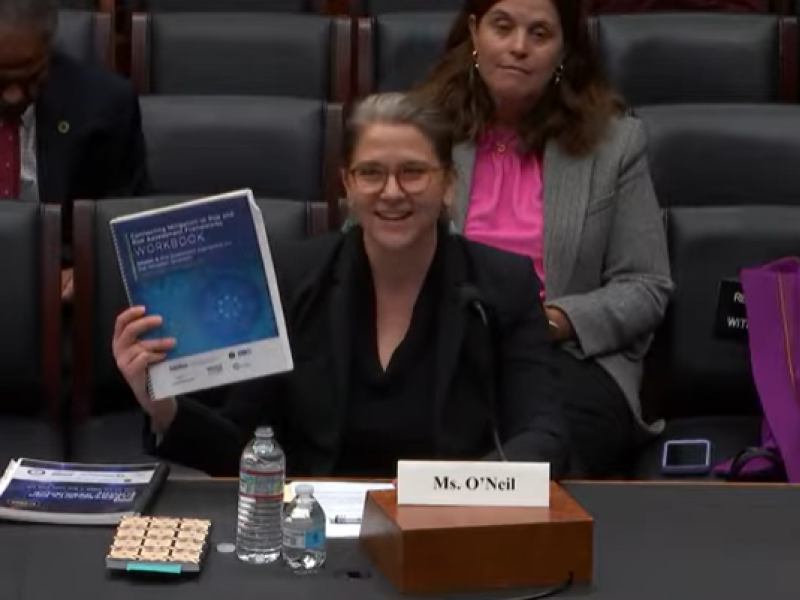
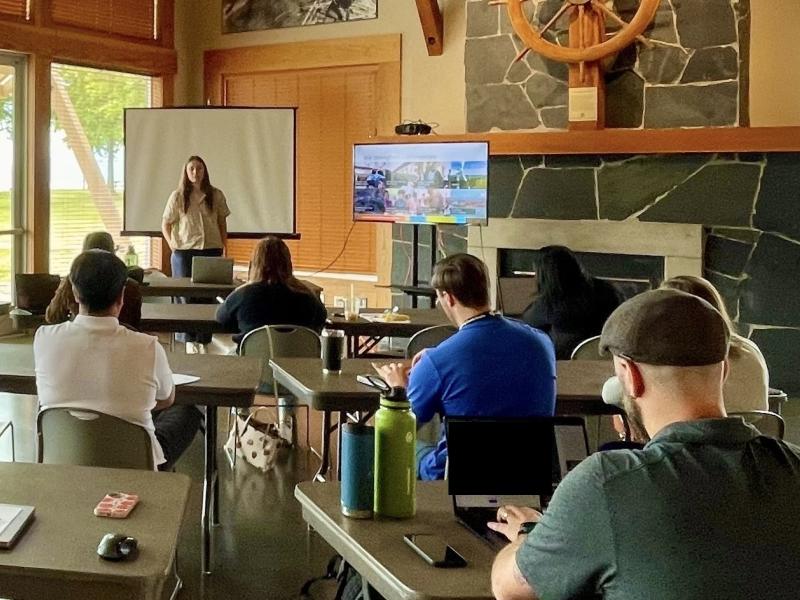
Rebecca O’Neil, a research principal in the Energy and Environment Directorate at PNNL, was invited to testify before the House Committee on Energy and Commerce’s Subcommittee on Energy.
A modeling study shows that adding batteries to a dam could decrease the wear and tear on hydropower turbines and open up new opportunities for dam operators to earn revenue.
Yong Wang will lead the Institute for Integrated Catalysis, advancing the science and technology of catalysis to address global challenges in energy resilience.
Utilities across Washington join PNNL and the Washington State Department of Commerce to explore new tools and strategies for building resilient and reliable power systems.
From developing new energy storage materials to revealing patterns of Earth’s complex systems, studies led by PNNL researchers are recognized for their innovation and influence.
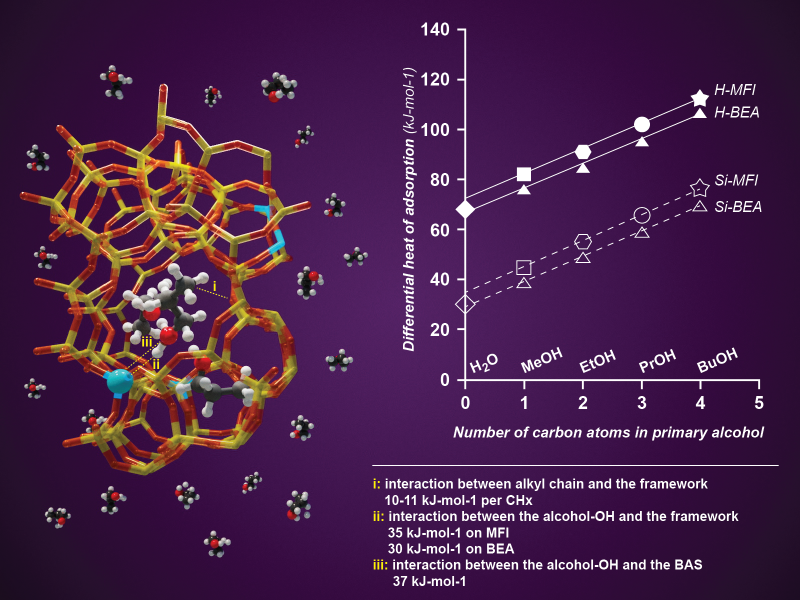
A comprehensive investigation provides quantitative data on the interaction between zeolite pores and linear alcohols, with hydroxyl group interactions playing the largest role.
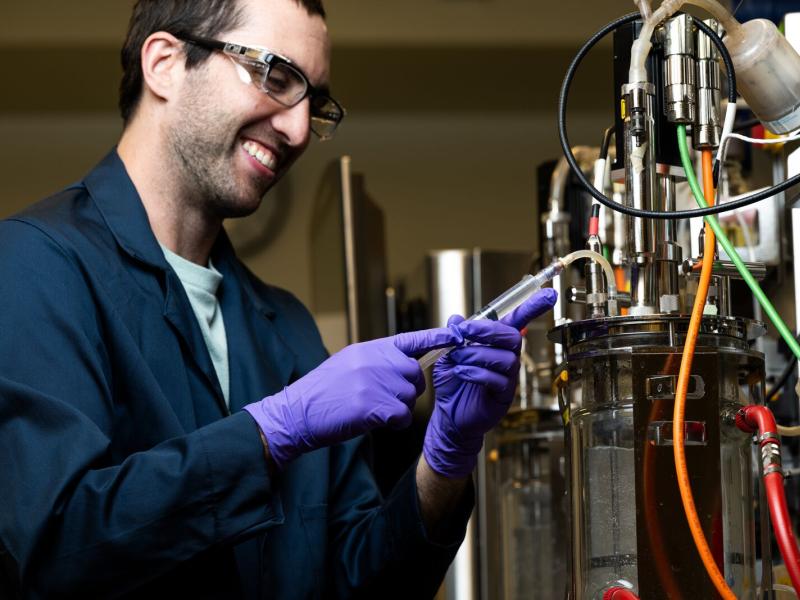
Predicting how organisms’ characteristics respond to not only their genes, but also their environments (a nascent field called predictive phenomics), is extraordinarily challenging. Researchers at PNNL are using AI to tackle that challenge.
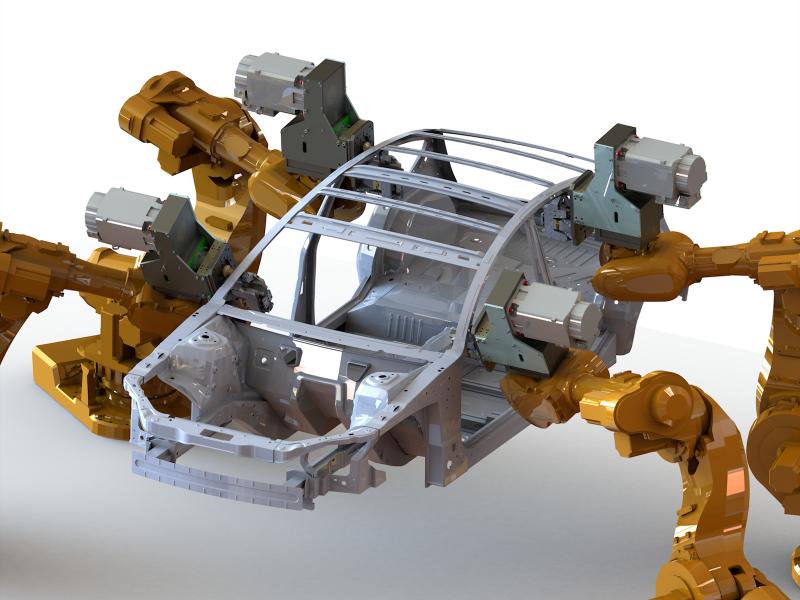
A breakthrough at PNNL could free friction stir from current constraints—and open the door for increased use of the advanced manufacturing technique on commercial assembly lines.