The Genesis Mission will mobilize the Department of Energy’s 17 National Laboratories, industry, and academia to build an integrated discovery platform.
Researchers at PNNL shared advances in artificial intelligence, cybersecurity, advanced imaging, and more at the Department of Homeland Security Research, Development, Test, and Evaluation Summit.
This summer, scientists at PNNL led discussions on their latest research related to artificial intelligence and One Health at the Health and Environmental Sciences Institute conference.
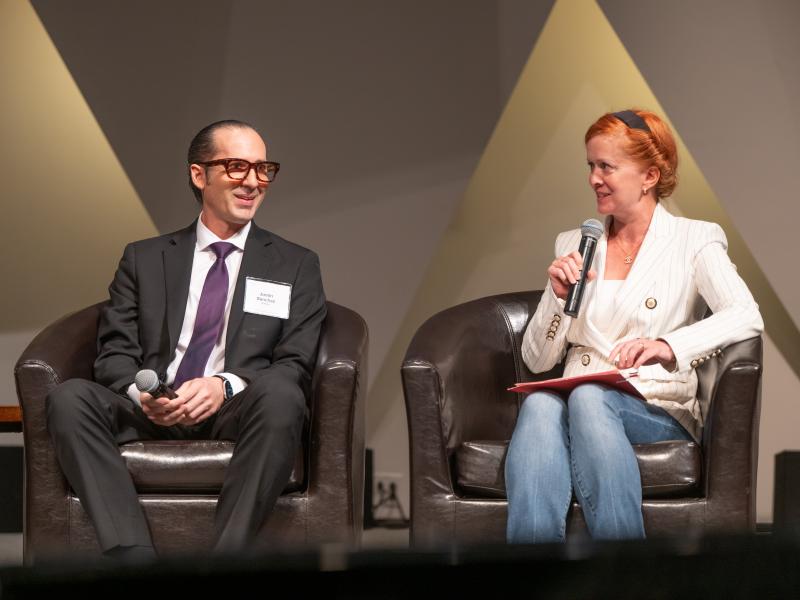
Aaron Luttman and Jonathan Forman represented PNNL at the high-profile "Risk and Reduction Science and Policy Forum" organized by Johns Hopkins University and supported by the Defense Threat Reduction Agency.
PNNL recently hosted a training exercise that immersed the U.S. Coast Guard 2013 Cyber Protection Team in a lifelike simulation of a cyberattack on a U.S. port terminal.
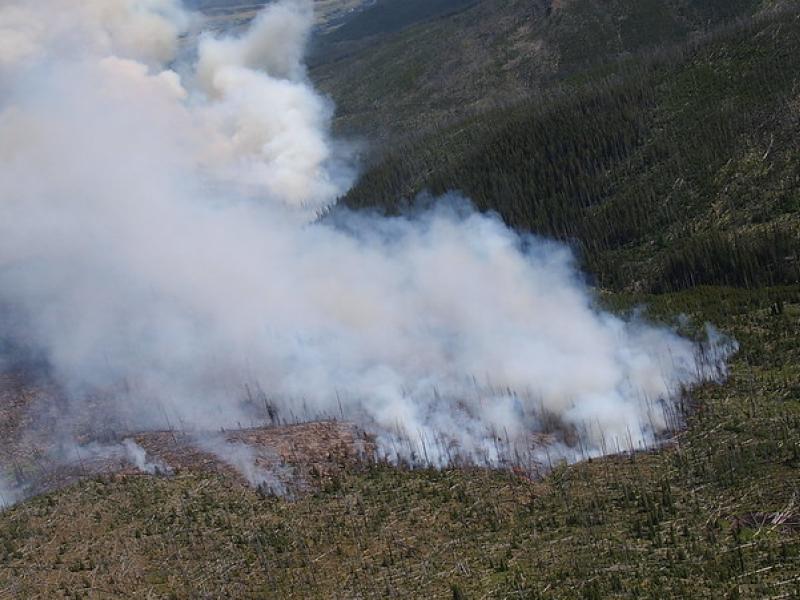
This study used historical data, remote sensing, and aquatic sensors to measure how far wildfire impacts propagated through the watershed after the 2022 Hermit’s Peak/Calf Canyon fire, New Mexico’s largest wildfire in history.
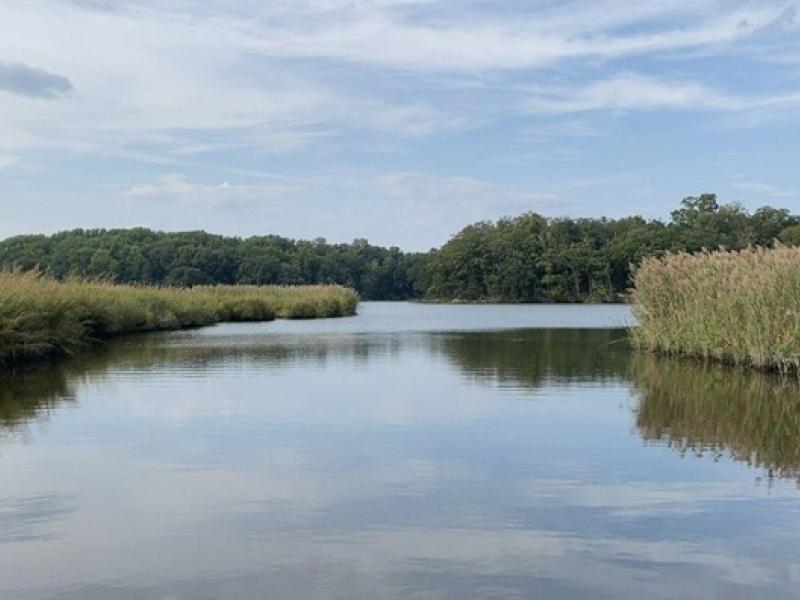
The Coastal Observations, Mechanisms, and Predictions Across Systems and Scales: Field, Measurements, and Experiments project established a network of observational field sites across Chesapeake Bay and western Lake Erie.
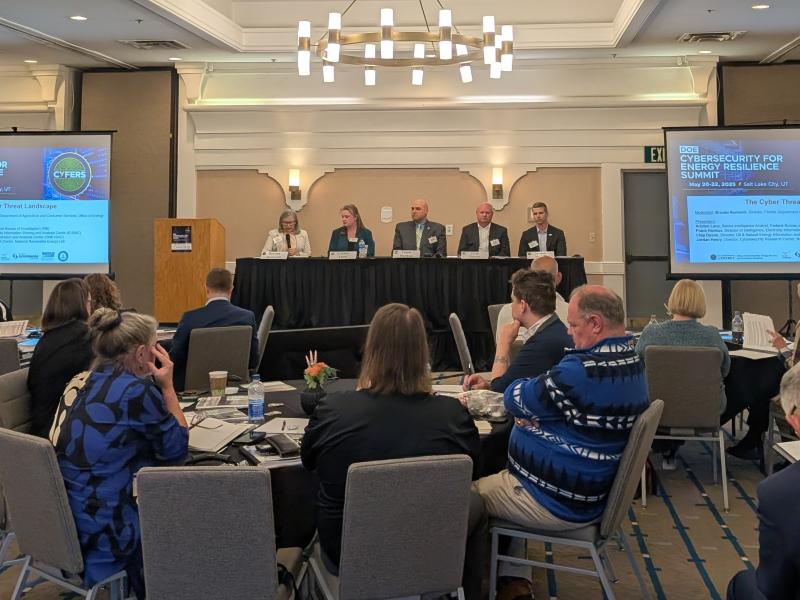
CESER and PNNL convened a three-day summit with more than 100 state officials, cybersecurity experts, and industry leaders across 35 states to advance energy security planning, cyber risk assessment, and fortify protections against attacks.