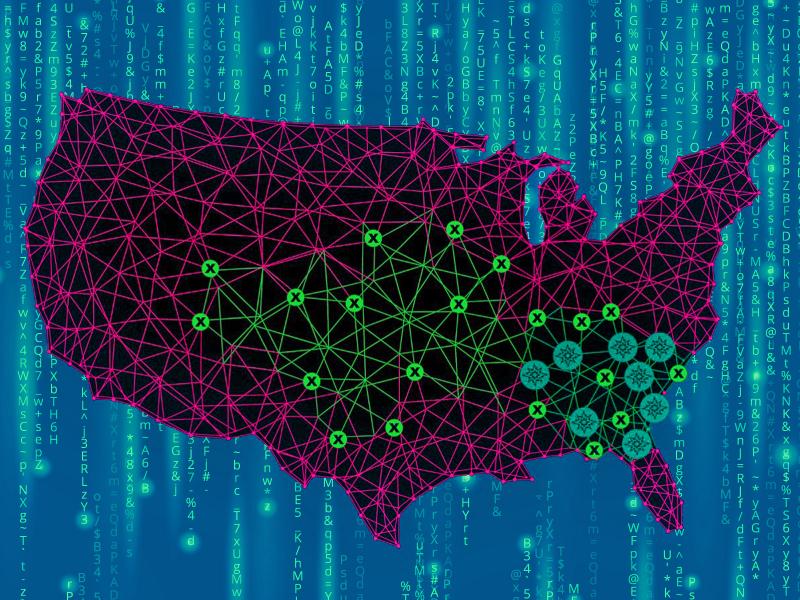
Sentry-SECURE is a new communication and response platform developed by PNNL, VPI, and Microsoft Azure that rapidly and securely transfers radiological alarm data through the cloud.
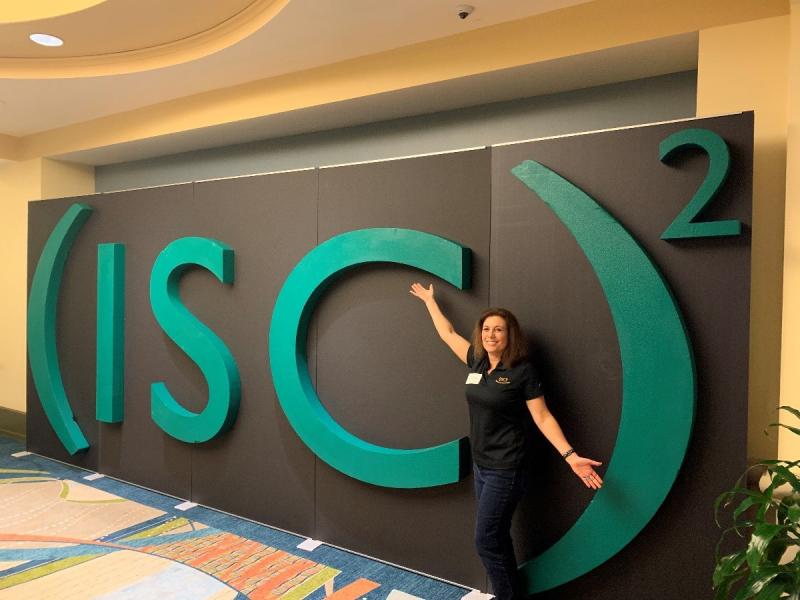
(ISC)², the world’s largest nonprofit association of cybersecurity professionals, elected PNNL cybersecurity expert Lori Ross O’Neil as vice chairperson of the board of directors.
PNNL-developed Water Balance Tool estimates consumption for major water end-uses. Understanding the breakout of water use identifies water efficiency opportunities and allows facility managers to spot potential system losses.
New mathematical tools developed at PNNL hold promise to transform the way we operate and defend complex cyber-physical systems, such as the power grid.
Red teaming for CPS, the process of challenging systems, involves a group of cybersecurity experts to emulate end-to-end cyberattacks following a set of realistic tactics, techniques, and procedures.
Buildings account for around 40 percent of our nation's energy use and consume 75 percent of our nation’s electricity each year. Energy use is also one of the biggest costs for facility owners.
A special issue of the Marine Technology Society Journal, titled “Utilizing Offshore Resources for Renewable Energy Development,” focuses on research and development efforts including those at Pacific Northwest National Laboratory (PNNL).
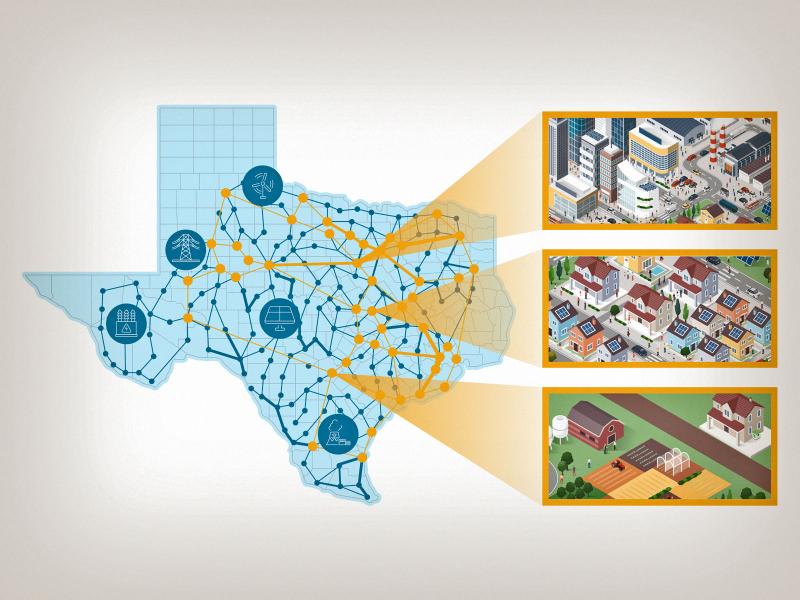
PNNL’s longstanding grid and buildings capabilities are driving two projects that test transactive energy concepts on a grand scale and lay the groundwork for a more efficient U.S. energy system.
In a new video series, PNNL is highlighting six scientific and technical experts in the national security domain throughout the fall. Each was promoted to scientist and engineer level 5 earlier this year.
PNNL researchers developed two web-based tools to assess and mitigate cyberthreats to utilities—inside and outside their firewalls. Both are low cost and can be used by control room operators who are not cybersecurity experts.
PNNL researchers established an Internet of Things Common Operating Environment (IoTCOE) laboratory to explore the risks associated with IoT connectivity to the internet, the energy grid and other critical infrastructures.
The Facility Cybersecurity toolkit, developed by PNNL, is designed for federal facilities to help implement the presidential executive order on cybersecurity, but it is also available for commercial facilities without charge.
A new agreement between Pacific Northwest National Laboratory and The University of Texas at El Paso will create research and internship opportunities.
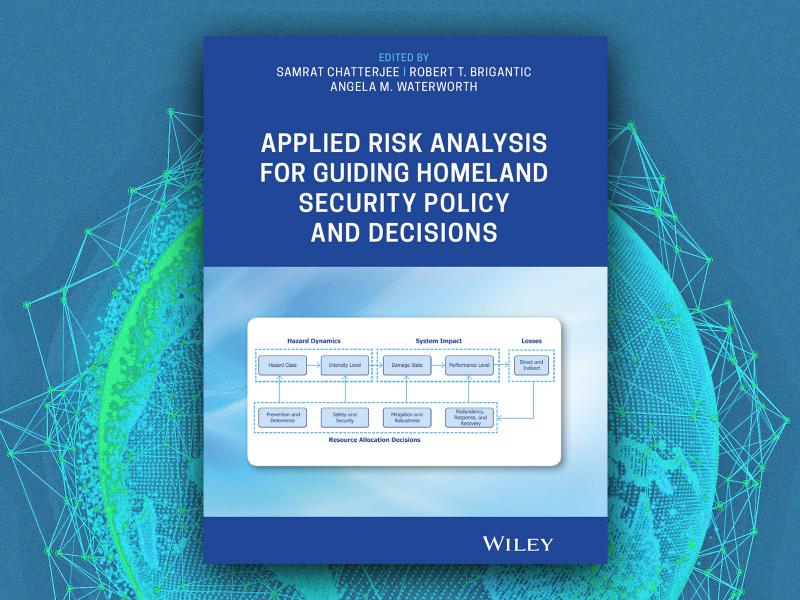
For the past several years Sam Chatterjee, PNNL data scientist and lead editor, has worked hard to make a book about homeland security risk analysis a reality. And in June, his perseverance paid off.
To help spur economic development and assist in the battle against COVID-19, PNNL is making available its entire portfolio of patented technologies on a research trial basis—at no cost—through the end of 2020.
A new chapter, coauthored by PNNL cybersecurity researcher Glenn Fink, describes a method to identify vulnerabilities in blockchain smart contracts as they are developed.
Lori Ross O’Neil, a Digital Cybersecurity project manager at PNNL, was elected secretary of the 2020 Board of Directors for (ISC)2, the world’s largest nonprofit association of cybersecurity professionals. She will serve a 1-year term.