PNNL researchers have developed a new, physics-informed machine learning model that accurately predicts how heat accumulates and dissipates during friction stir processing.
Operators of critical infrastructure are trained to respond to cyberattacks using scale models of water treatment plants, freight rail yards, and more.
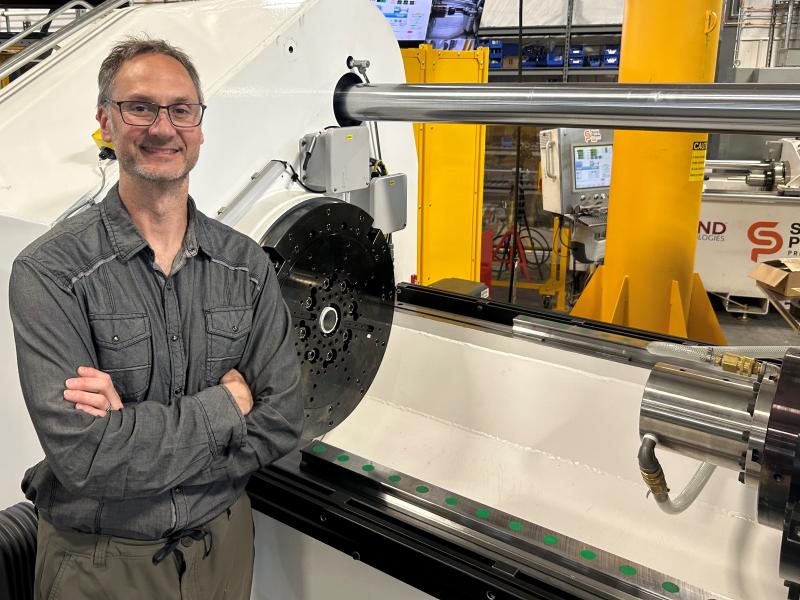
PNNL’s patented Shear Assisted Processing and Extrusion (ShAPE™) technique is an advanced manufacturing technology that enables better-performing materials and components while offering opportunities to reduce costs and energy consumption.
With her broad experience and background, Starr Abdelhadi was selected from many applicants to join the Women in IT Networking at SC (WINS) program for Super Computing 2024 (SC24).
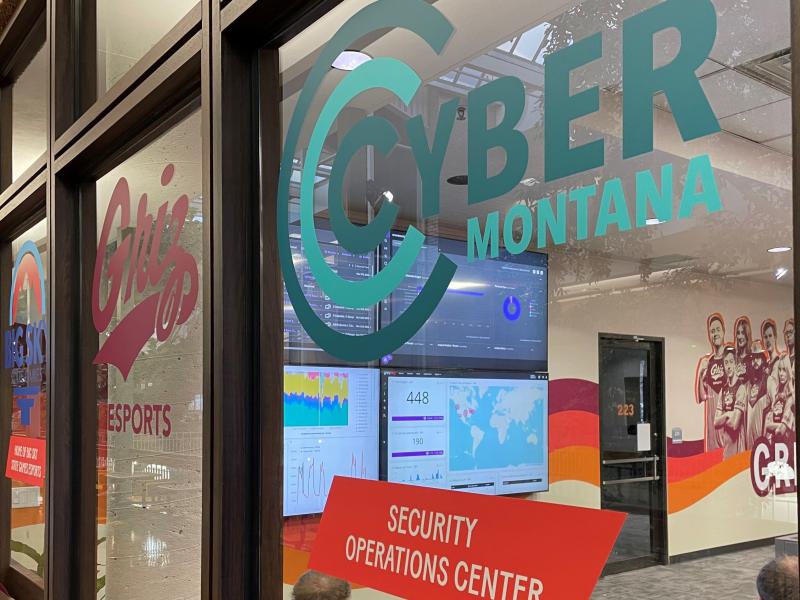
Students participating in the Public Infrastructure Security Cyber Education System program at the University of Montana recently discovered and appropriately escalated an anomaly that turned out to be a concern.
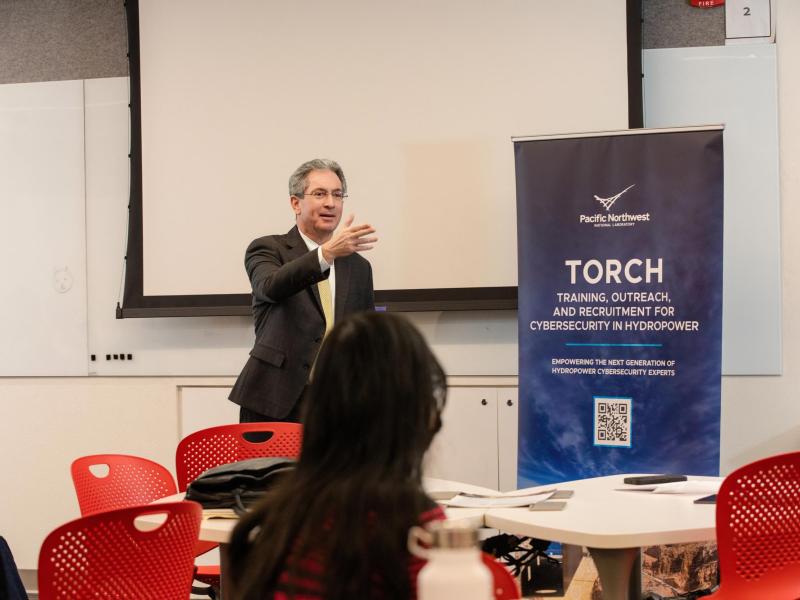
Pacific Northwest National Laboratory launches the Training Outreach and Recruitment for Cybersecurity Hydropower program at the University of Texas at El Paso.
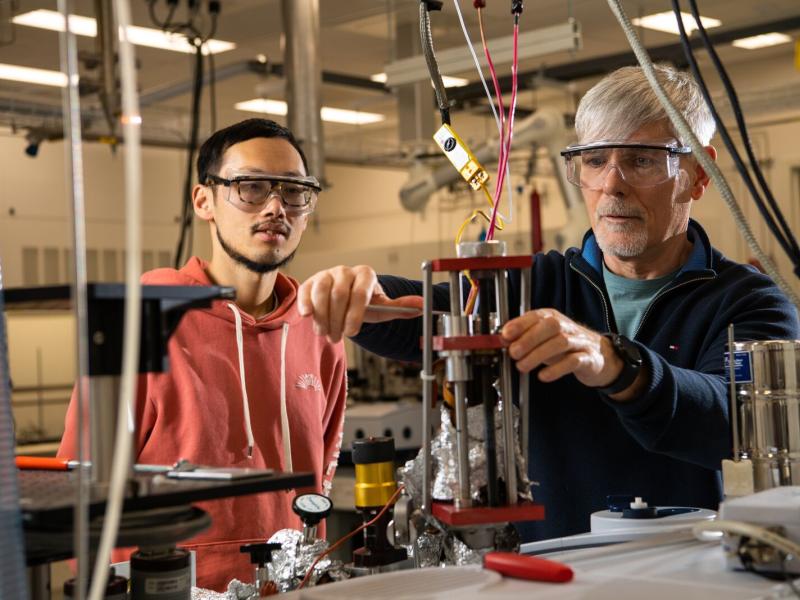
A newly developed, highly conductive copper wire could find applications in the electric grid, as well as in homes and businesses. The finding defies what's been thought about how metals conduct electricity.
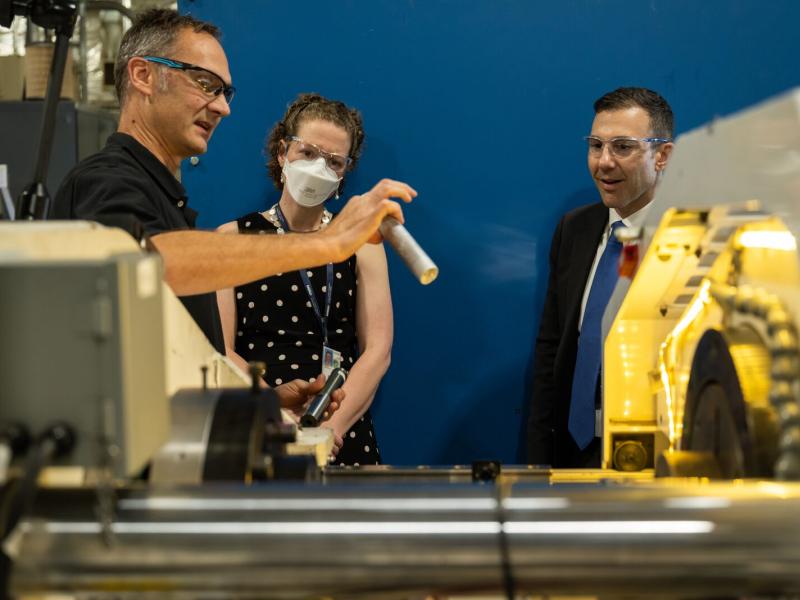
Leaders from the DOE Office of Energy Efficiency and Renewable Energy visited PNNL October 19–20 for a firsthand look at capabilities and research progress.
PNNL researchers helped design and conduct an international exercise hosted by the Ministry of Finance of Finland to help improve financial sector resilience.