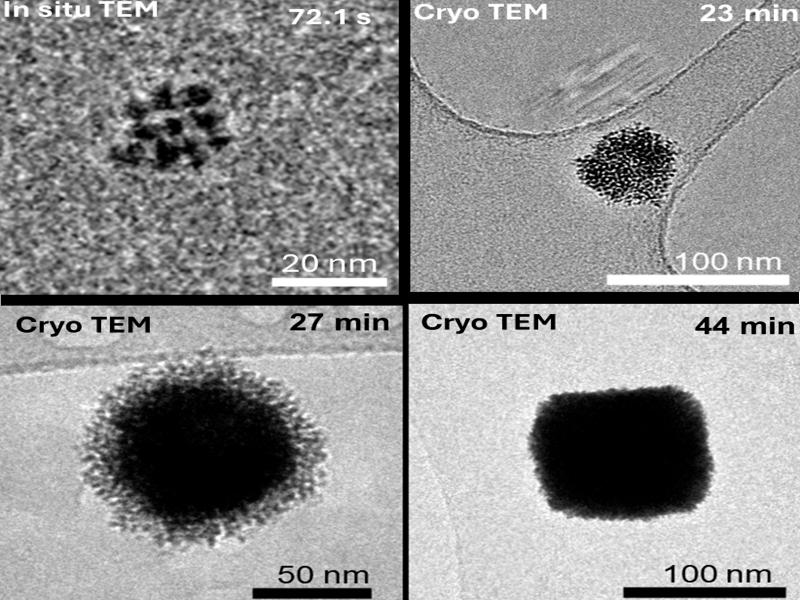
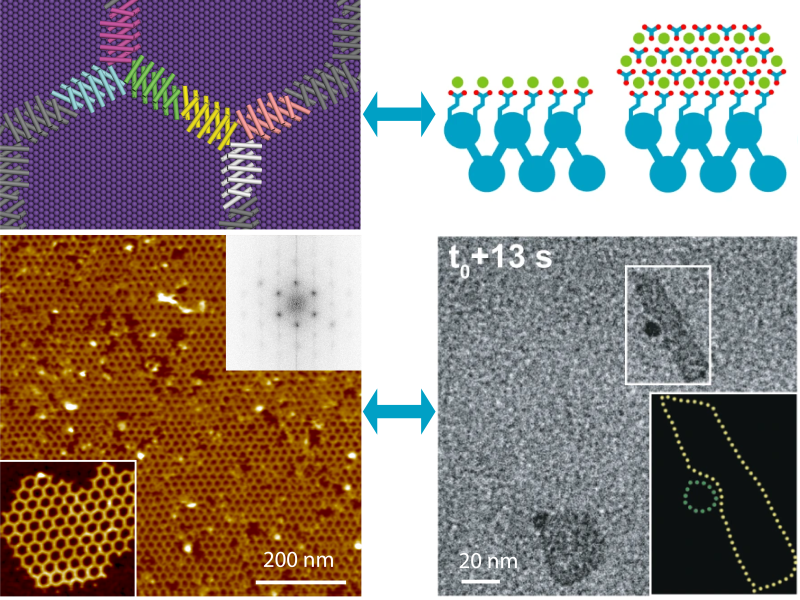
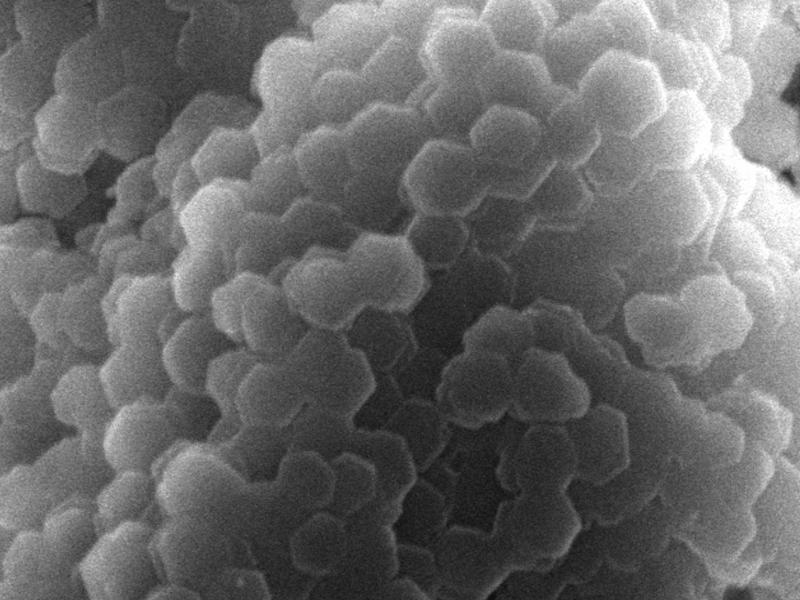
Hydrogen preferentially inserts at grain boundaries between interconnected chains of palladium nanoparticles, which have a lower energy barrier for hydrogen incorporation into the material.
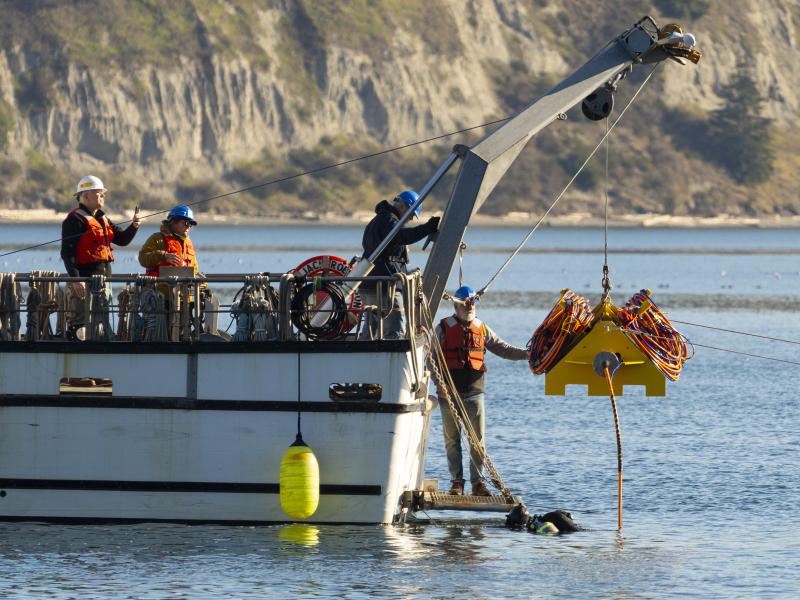
Utilities across Washington join PNNL and the Washington State Department of Commerce to explore new tools and strategies for building resilient and reliable power systems.
From developing new energy storage materials to revealing patterns of Earth’s complex systems, studies led by PNNL researchers are recognized for their innovation and influence.
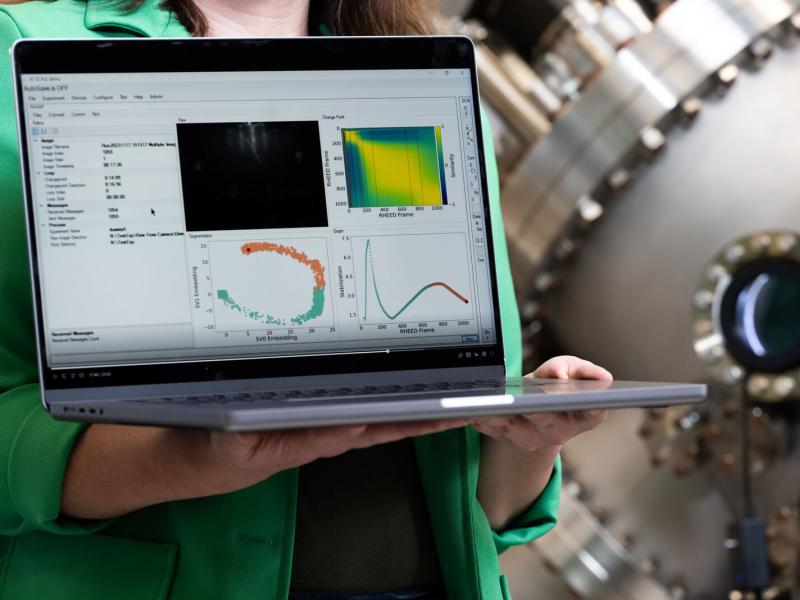
A closed-loop workflow brings together digital and physical frameworks to advance high-throughput experimentation on redox-active molecules in flow batteries.
Ice crystals are surprisingly tolerant of defects in their structure. The findings come from the first-ever molecular-resolution observations of nanoscale samples of ice frozen from liquid water.
Predicting how organisms’ characteristics respond to not only their genes, but also their environments (a nascent field called predictive phenomics), is extraordinarily challenging. Researchers at PNNL are using AI to tackle that challenge.
A breakthrough at PNNL could free friction stir from current constraints—and open the door for increased use of the advanced manufacturing technique on commercial assembly lines.
David Heldebrant was selected for the 2025 Distinguished Service Award from the American Chemical Society Division of Energy & Fuels, recognizing his impact to energy and fuels chemistry.