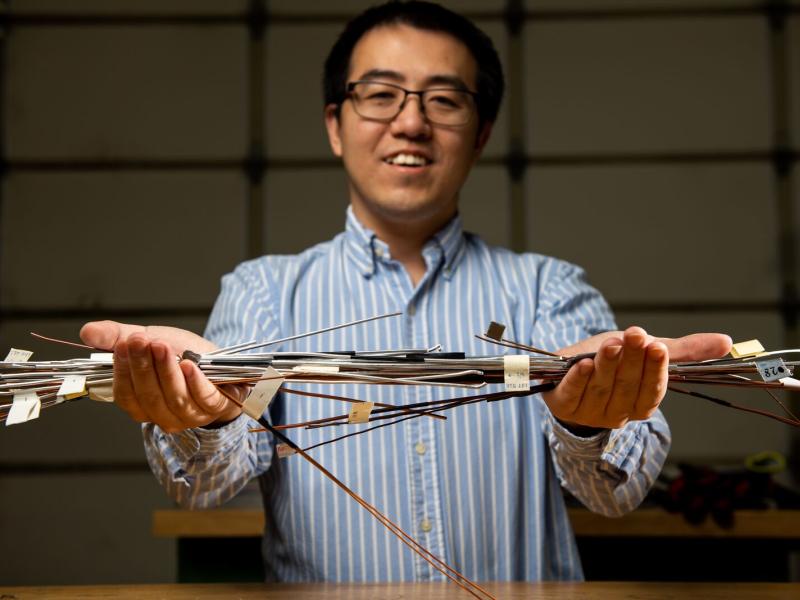
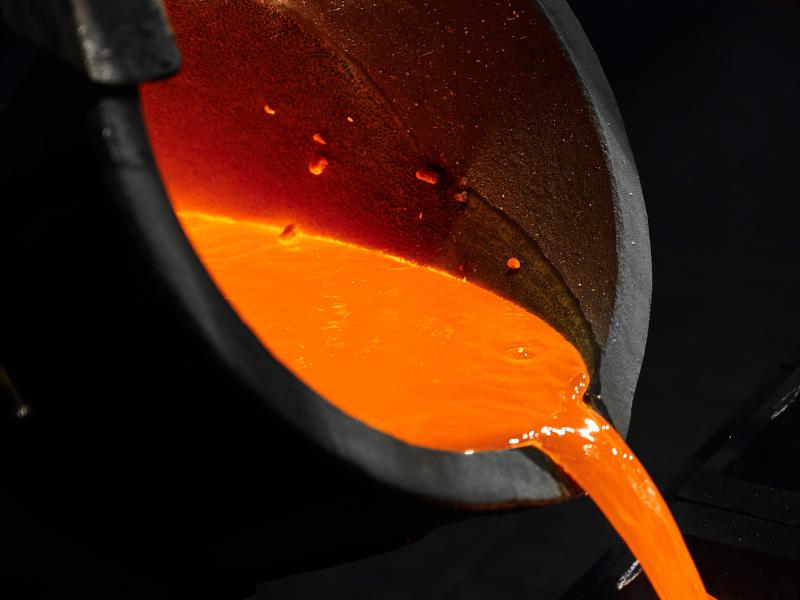
A newly developed, highly conductive copper wire could find applications in the electric grid, as well as in homes and businesses. The finding defies what's been thought about how metals conduct electricity.
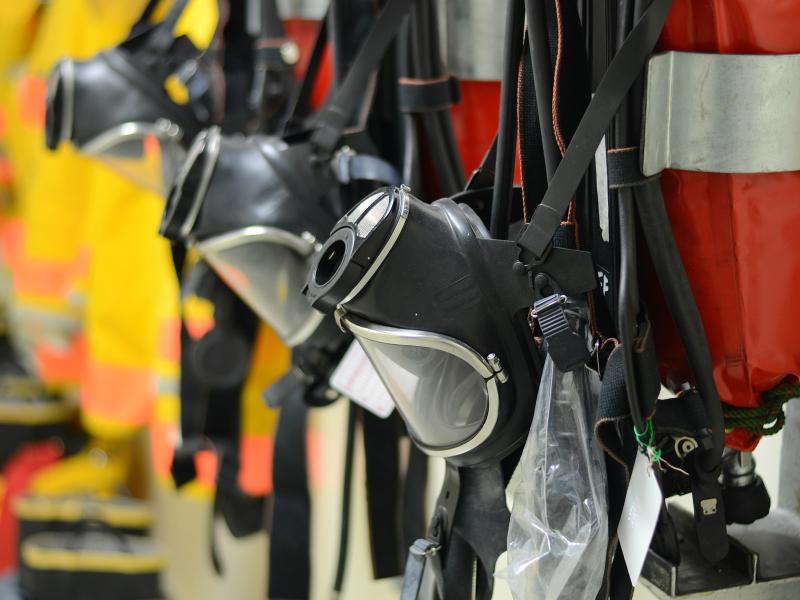
A team of researchers received an award for their contributions to improving the operational readiness and safety posture of the firefighter community by conducting a rigorous evaluation of commercially available equipment.
PNNL has created the Center for AI @PNNL to coordinate the pioneering research of hundreds of scientists working on a range of projects in artificial intelligence.
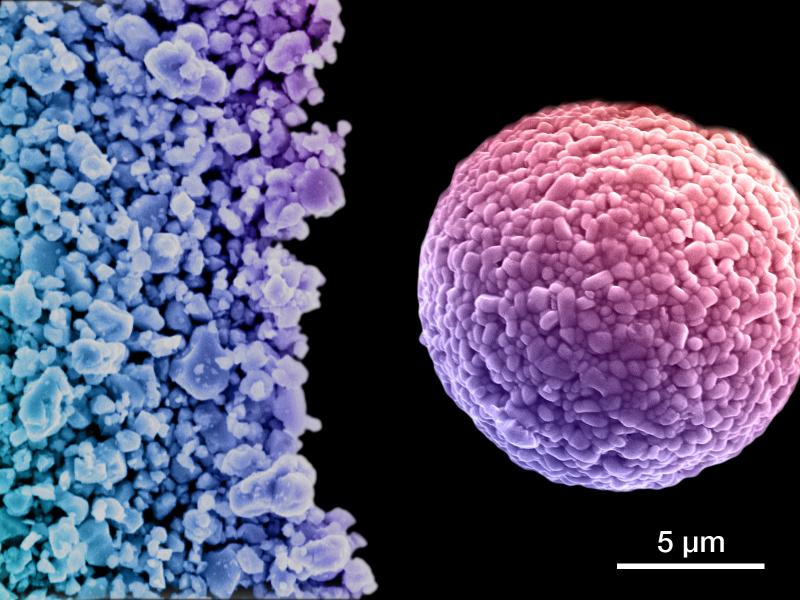
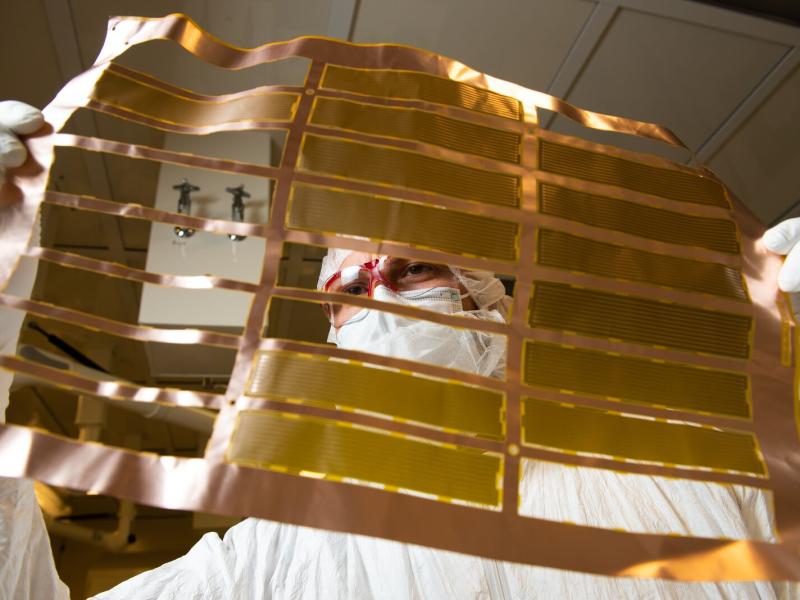
A seemingly simple shift in lithium-ion battery manufacturing could pay big dividends, improving electric vehicles’ ability to store more energy per charge and to withstand more charging cycles.
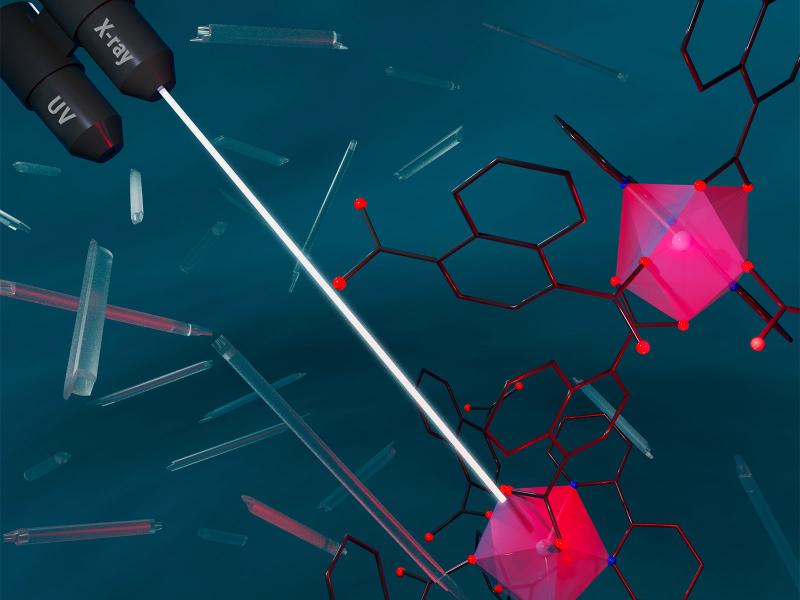
Making it on CrystEngComm’s HOT list, the article, “Designing scintillating coordination polymers using a dual-ligand synthetic approach,” highlights research on existing materials that are non-traditional scintillators.
A team of scientists at PNNL developed new computational models to predict the behavior of these impurities and reduce the expense and risk related to actinide metal production.
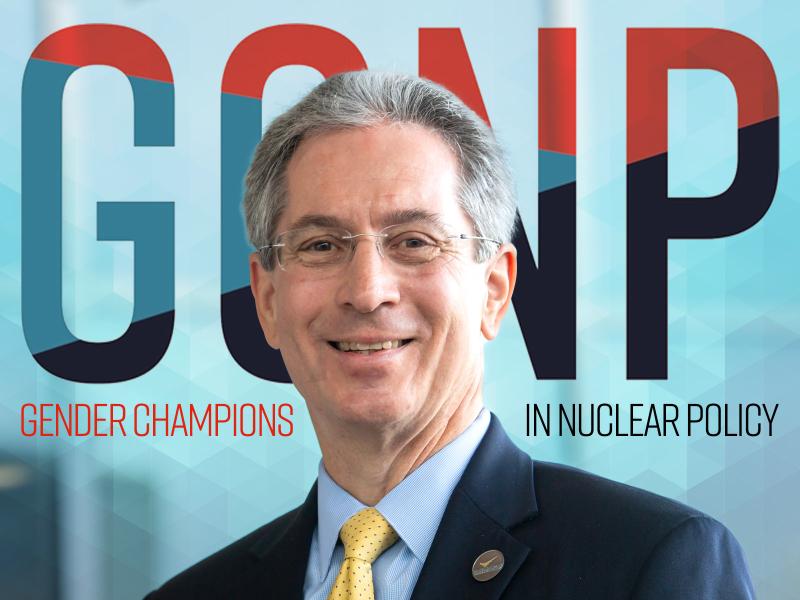
PNNL has joined Gender Champions in Nuclear Policy, a leadership network that brings together leaders of organizations working in nuclear policy who are committed to breaking down gender barriers.
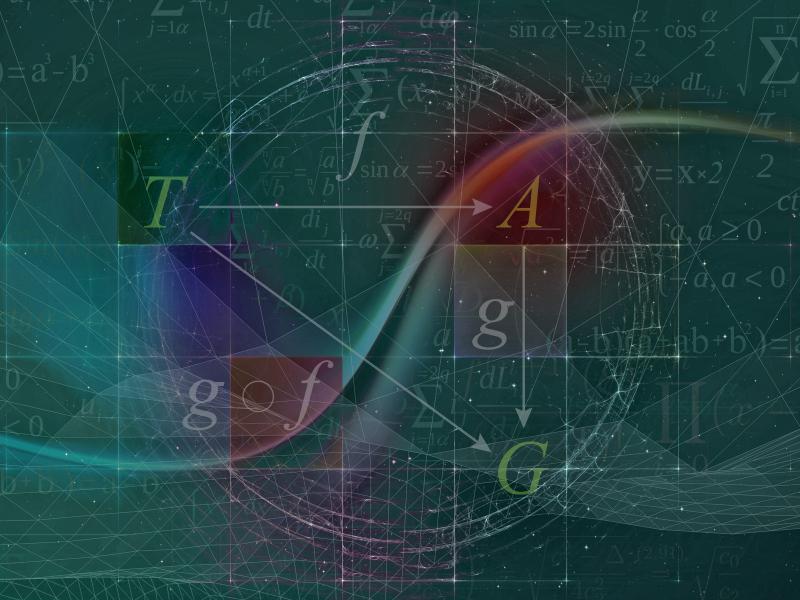
The use of disciplines in pure mathematics can increase the reliability and explainability of machine learning models that “transcend human intuition,” according to PNNL scientists.
A team of researchers from PNNL provided technical knowledge and support to test a suite of techniques that detect genetically modified bacteria, viruses, and cells.