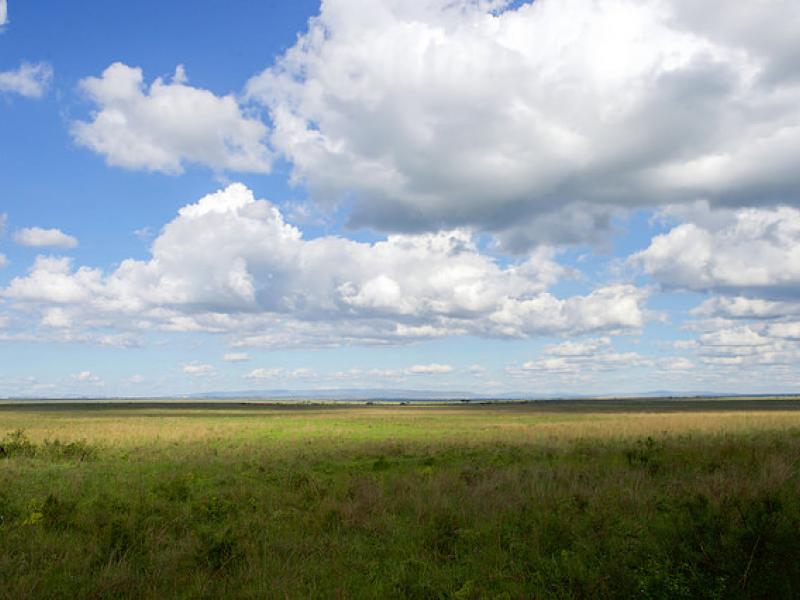
Organic matter found in vast quantities in oxygen-starved floodplains would yield only minimal energy for hungry microorganisms, which spurn the meal, researchers show in a study in Nature Geoscience.
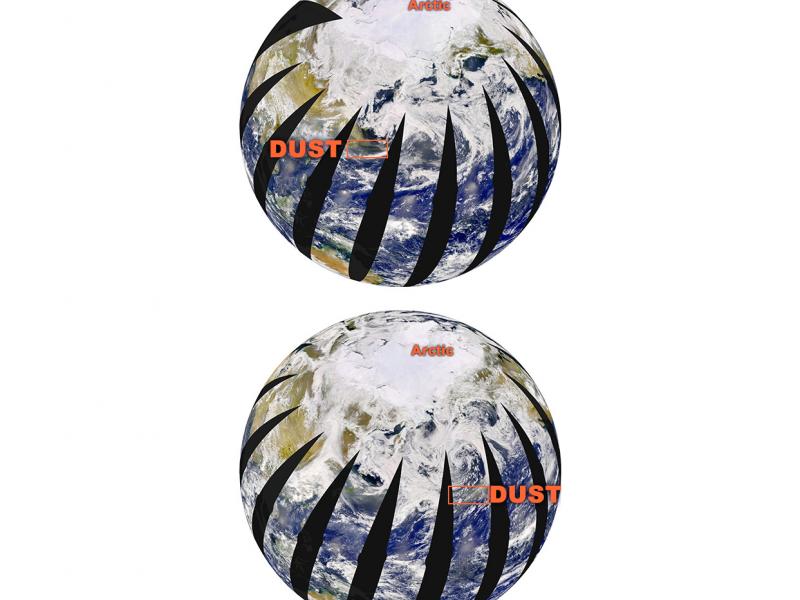
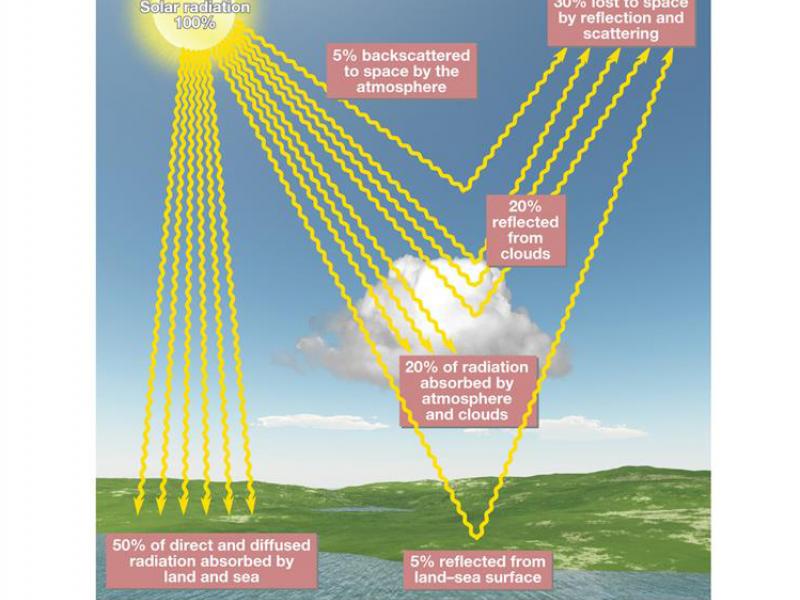
Small particles of pollution and dust make clouds brighter, and now scientists have figured out a way to better use data to improve our understanding of how this process affects the planet's climate.
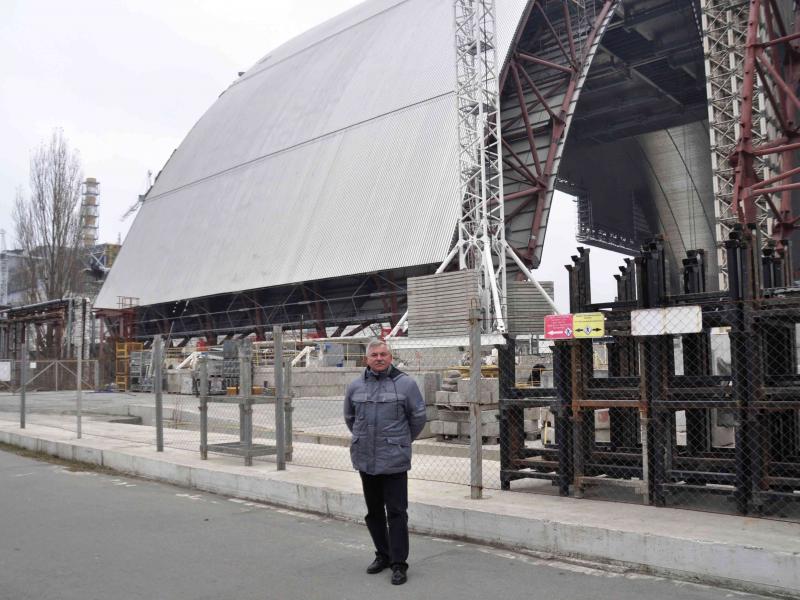
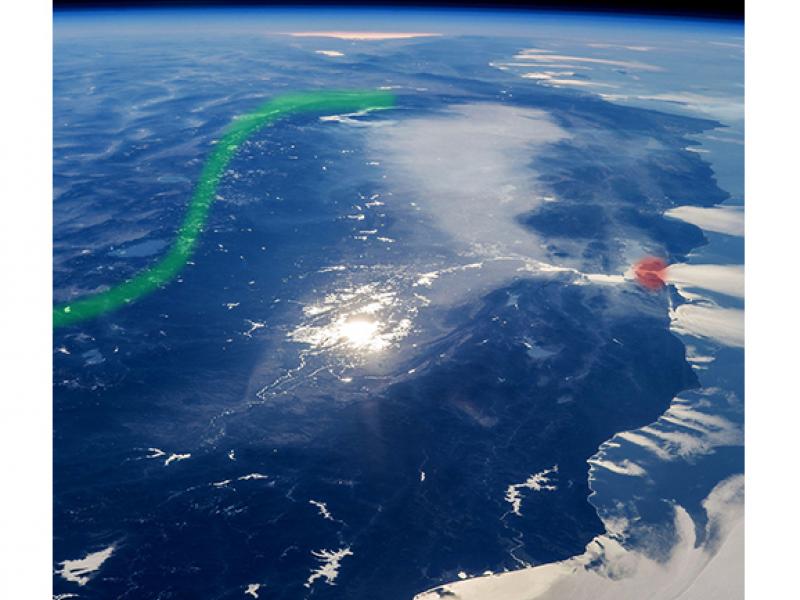
April 26 marks the 31st anniversary of the explosion at the Chernobyl Nuclear Power Plant's Unit 4 reactor. Battelle researchers at PNNL were involved in an international consortium to look at long-term safety and containment of Unit 4. T
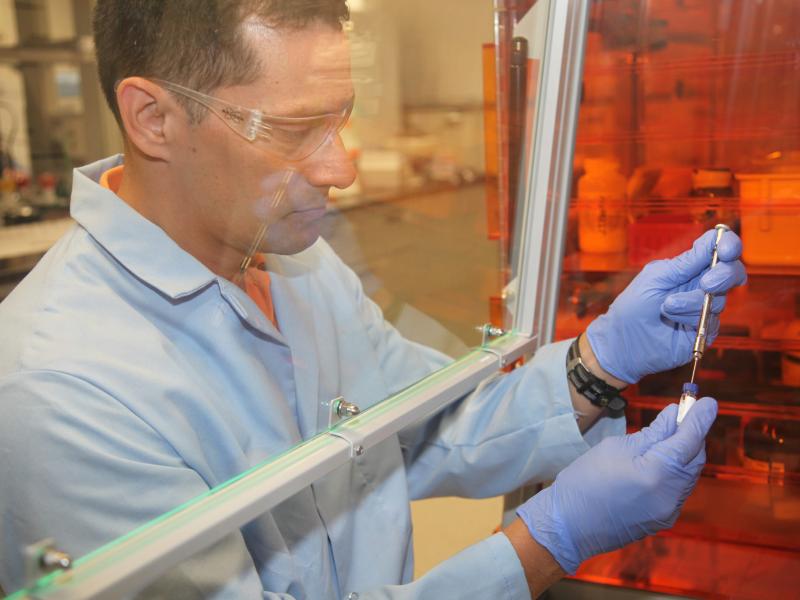
Like detectives looking for clues, researchers at the Department of Energy's Pacific Northwest National Laboratory have been working for nearly a decade on ways to identify the "fingerprints" of potential chemical threats.
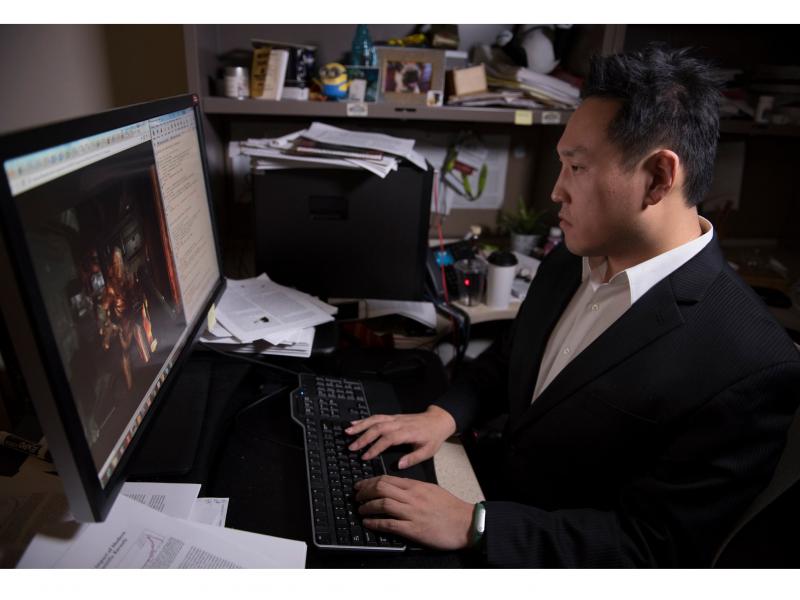
High performance computing researcher Shuaiwen Leon Song asked if hardware called 3D stacked memory could do something it was never designed to do — help render 3D graphics.
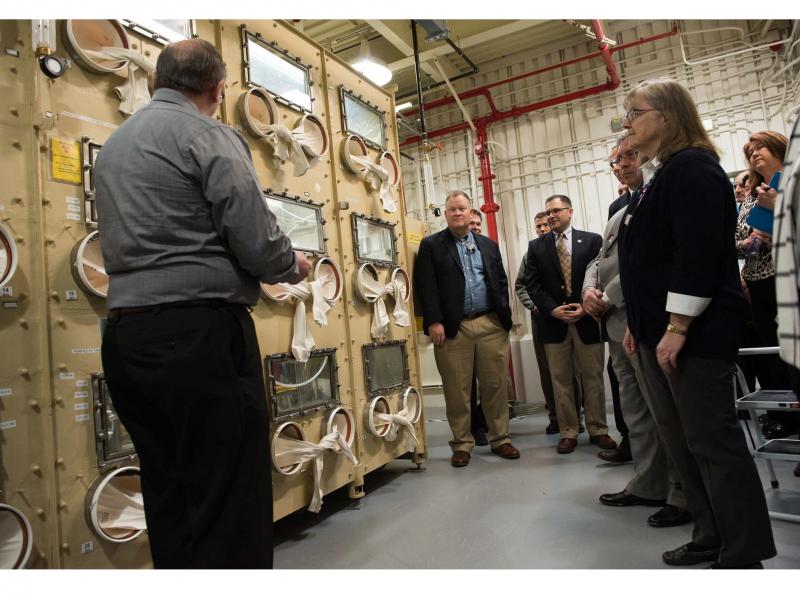
A new capability at PNNL will be able to replicate how nations process plutonium. Researchers will process small amounts of plutonium which they will analyze, using nuclear forensics techniques, to discover signatures.
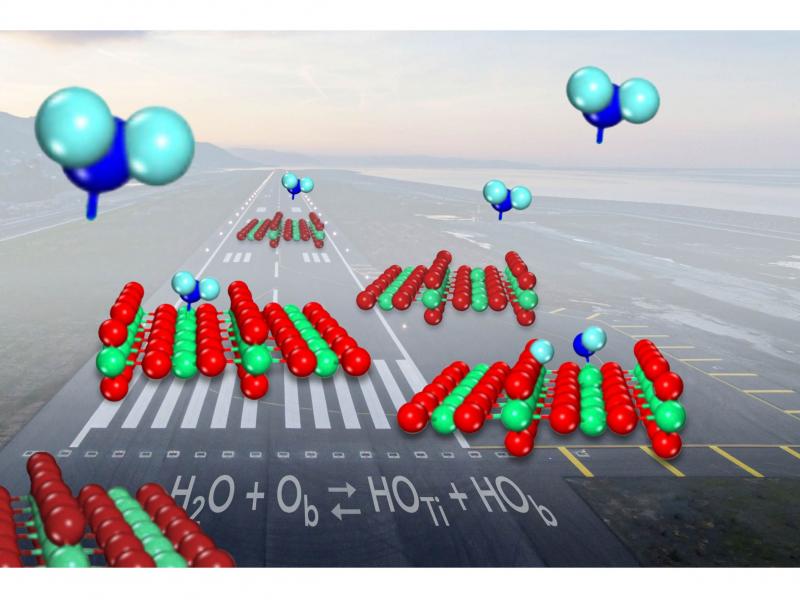
When water comes in for a landing on the common catalyst titanium oxide, it splits into hydroxyls just under half the time. Water's oxygen and hydrogen atoms shift back and forth between existing as water or hydroxyls, and water has the sli
Bo Peng, a Linus Pauling Fellow and molecular sciences researcher at Pacific Northwest National Laboratory, was recognized at the Sanibel Symposium with the Löwdin Postdoctoral Associate Award.
Rick Corley has been honored for his work modeling the full chain of human respiration, from organ, to tissue, to cell, and down to individual molecule.
The rate of plant photosynthesis globally has blossomed this century, according to a new study in the journal Nature by a scientist at the Joint Global Change Research Institute and his colleagues.