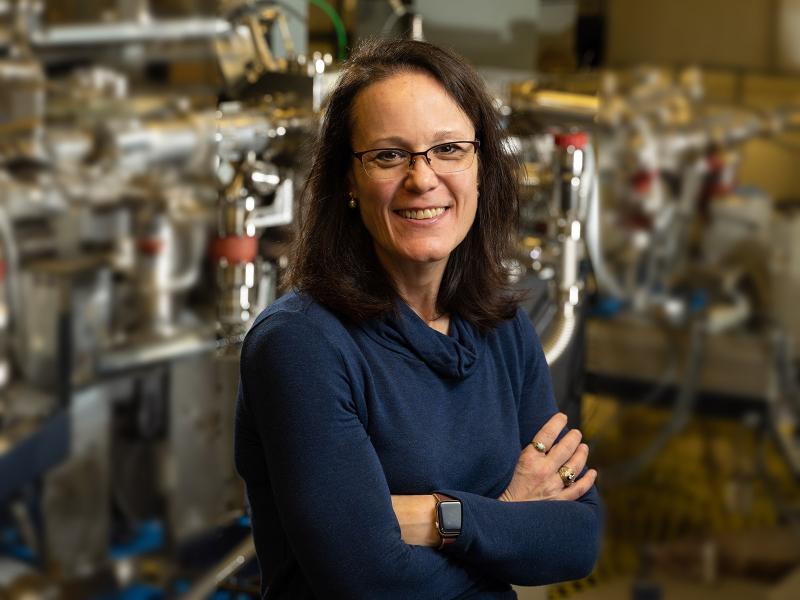
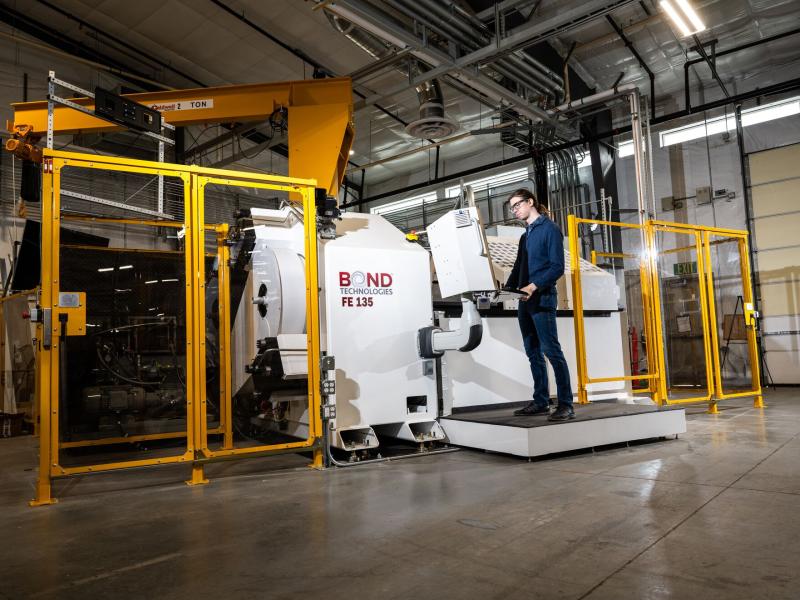
The next-generation ShAPE machine has arrived at PNNL, where it will help prove the mettle of the ShAPE extrusion technique. ShAPE 2 is designed to allow researchers to produce larger, more complex extrusions.
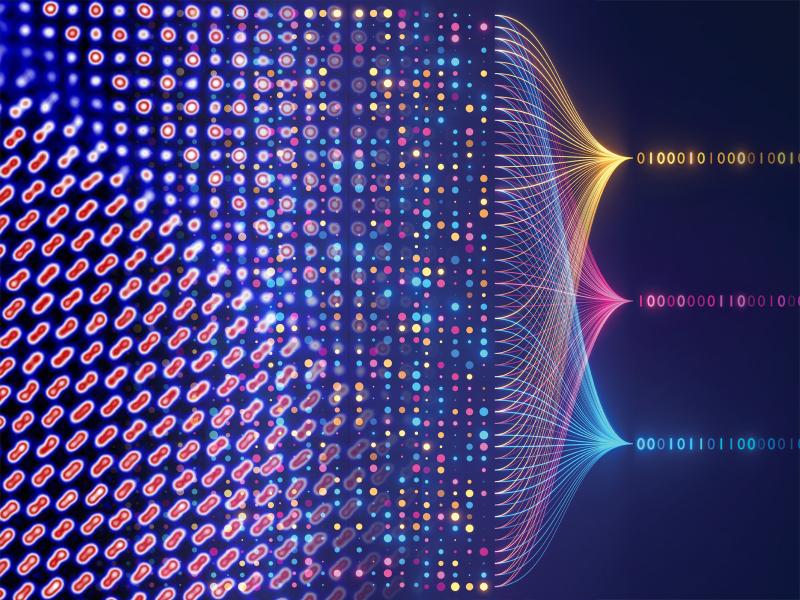
A new AI model developed at PNNL can identify patterns in electron microscope images of materials without requiring human intervention, allowing for more accurate and consistent materials science.
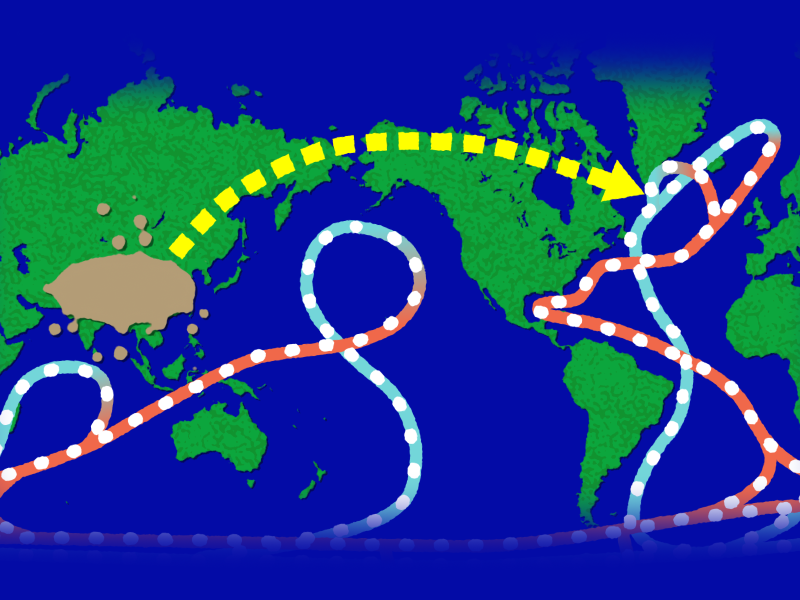
Published in Nature Communications, Increased Asian Aerosols Drive a Slowdown of Atlantic Meridional Overturning Circulation, identifies the role aerosols over Asia is having on the AMOC, a complex system of currents in the Atlantic Ocean.
PNNL scientists have been studying how rivers and streams breathe. Their research focuses on respiration, organic matter, and natural disturbances that affect rivers and streams.
PNNL scientists developed a new method to map exactly how a fungus works with leafcutter ants in a complex microbial community to degrade plant material at the molecular level. The team’s insights are important for biofuels development.
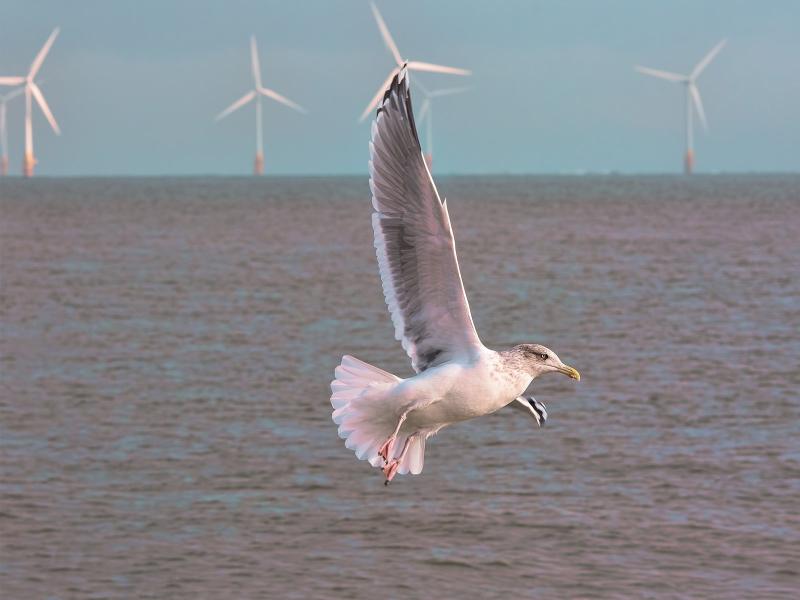
Two renewable energy approaches—enhanced geothermal systems and floating offshore wind energy—get new focus as Energy Earthshot™ Research Centers at PNNL.
A new discovery by PNNL researchers has illuminated a previously unknown key mechanism that could inform the development of new, more effective catalysts for abating NOx emissions from combustion-engines burning diesel or low carbon fuel.