PNNL’s Matt Paiss heads NFPA 800, shaping a unified battery safety code for hazards from production to disposal with the aim of safeguarding communities and guiding safe practices worldwide.
Led by interns from multiple DOE programs, a newly expanded dataset allows researchers to use easy-to-obtain measurements to determine the elemental composition of a promising carbon storage mineral.
The Pacific Northwest Association of Toxicologists (PANWAT) presented its annual Toxicology Achievement Award to Katrina Waters at the Society of Toxicology Pacific Northwest Chapter Meeting, held in Lynnwood, Washington, on September 30th.
PNNL biodefense experts seek to identify, understand and mitigate the risks of biological pathogens—whether naturally occurring or intentionally created—so steps can be taken to prepare and respond.
The Grid Storage Launchpad dedication event was attended by leaders in grid and transportation energy storage, battery innovation, and industry stakeholders working to transform America’s energy system.
Early life exposure to polycyclic aromatic hydrocarbons (PAHs), found in smoke, has been linked to developmental problems. To study the impacts of these pollutants, PAH metabolism in infants and adults were compared.
Erich Hsieh, Deputy Assistant Secretary for OE’s Energy Storage Division, shared insights about the Grid Storage Launchpad and energy storage innovations .
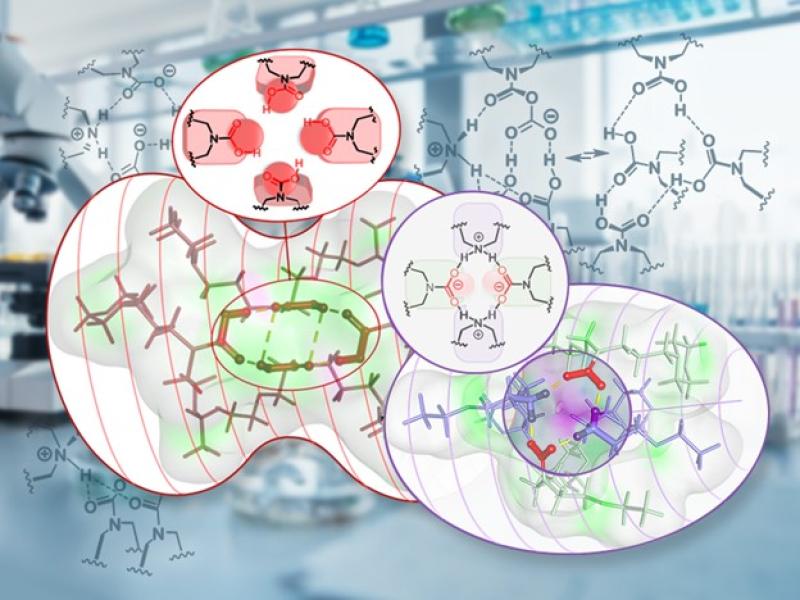
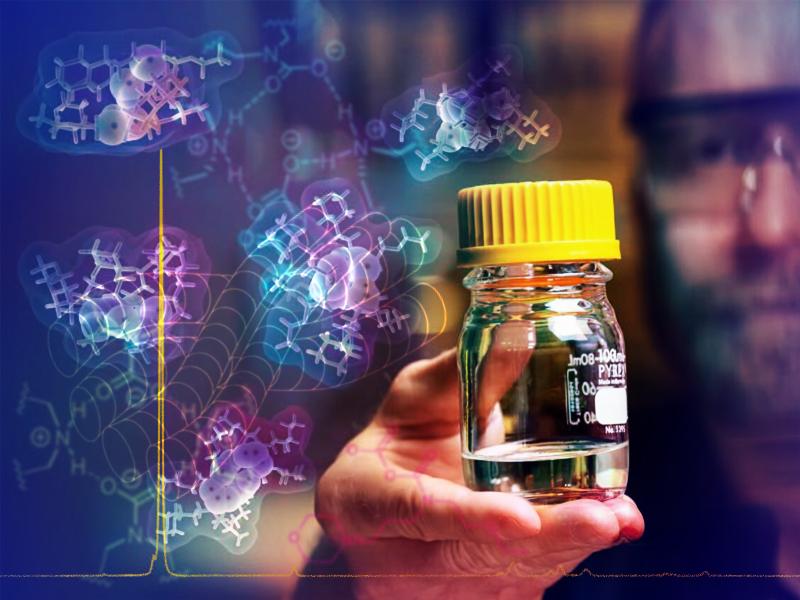
New research investigating water-lean solvents for carbon dioxide capture identifies the unique chemistry possible with their use, may lead to new design principles that move beyond single carbon capture.
Policy changes in power, energy, buildings, and more could help slow global temperature rise, according to a new report with co-authors from PNNL’s Joint Global Change Research Institute.
Department of Energy’s Advanced Research Projects Agency-Energy selects PNNL project to help accelerate the development of marine carbon dioxide removal technologies.
Battery energy storage systems are being proposed in municipalities across the U.S. PNNL researchers can help community planners guide safe siting and operations.