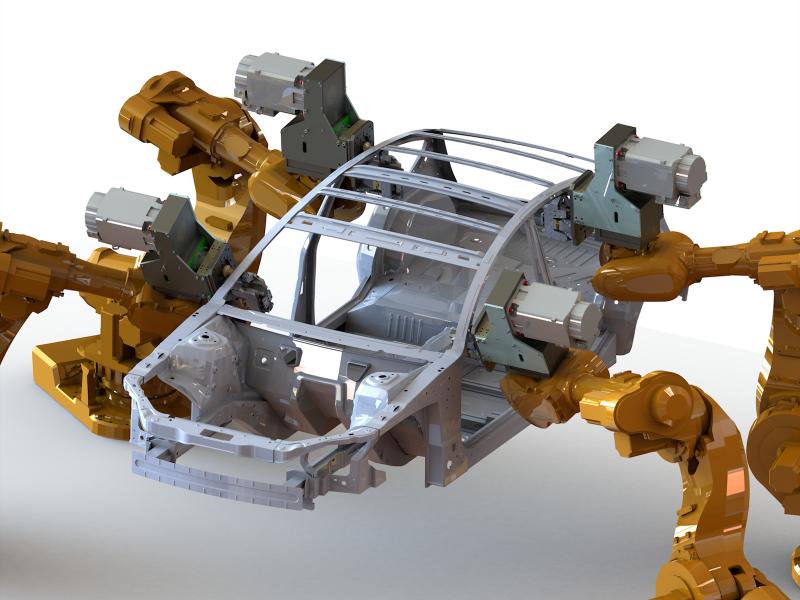
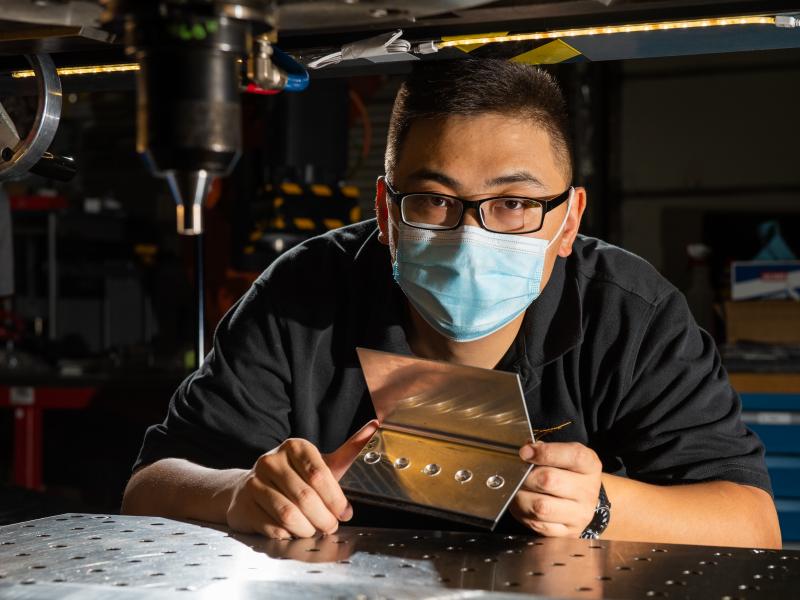
A breakthrough at PNNL could free friction stir from current constraints—and open the door for increased use of the advanced manufacturing technique on commercial assembly lines.
By combining computational modeling with experimental research, scientists identified a promising composition that reduces the need for a critical material in an alloy that can withstand extreme environments.
PNNL researchers have developed a new, physics-informed machine learning model that accurately predicts how heat accumulates and dissipates during friction stir processing.
PNNL had a significant presence at October’s North American Wind Energy Academy/WindTech 2023 Conference in Denver, Colorado. Thirteen PNNL wind experts participated in various capacities.
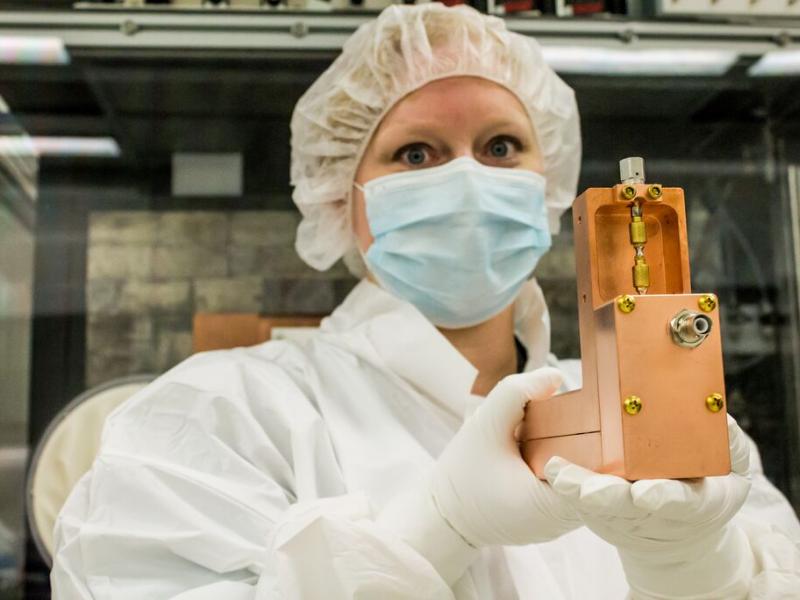
Physicist Emily Mace will share her science journey and an interactive presentation about her current research with middle school and high school students from across the country at the National Science Bowl.
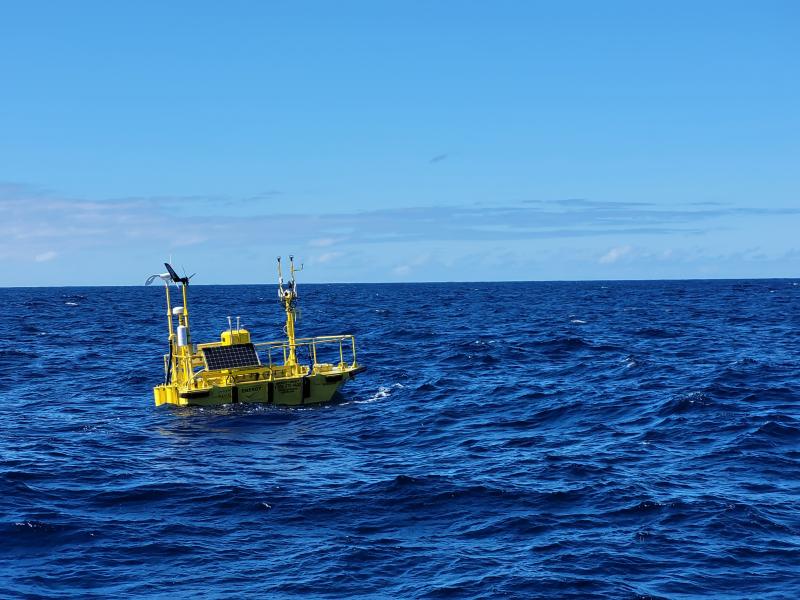
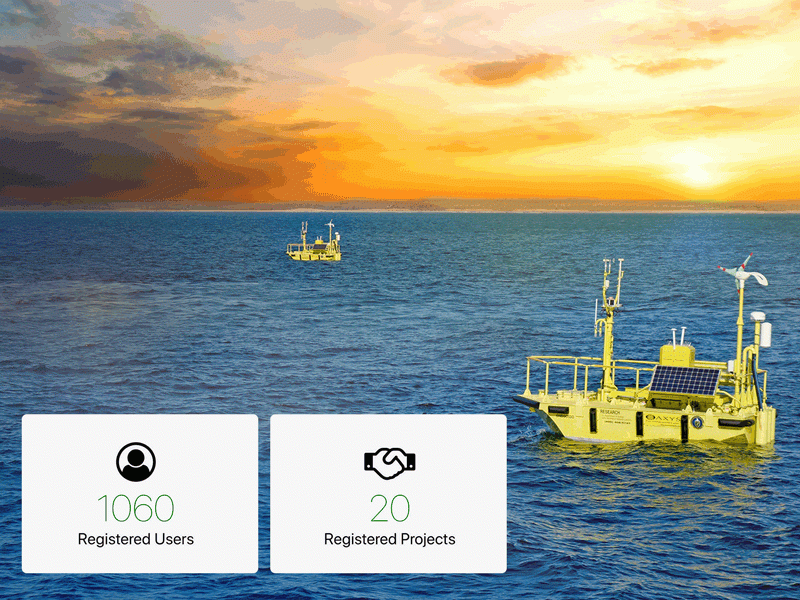
A research buoy managed by PNNL has been deployed in Hawai’ian waters, collecting oceanographic and meteorological measurements off the coast of O’ahu.
Rotational Hammer Riveting, developed by PNNL, joins dissimilar materials quickly without preheating rivets. The friction-based riveting enables use of lightweight magnesium rivets and also works on aluminum and speeds manufacturing.
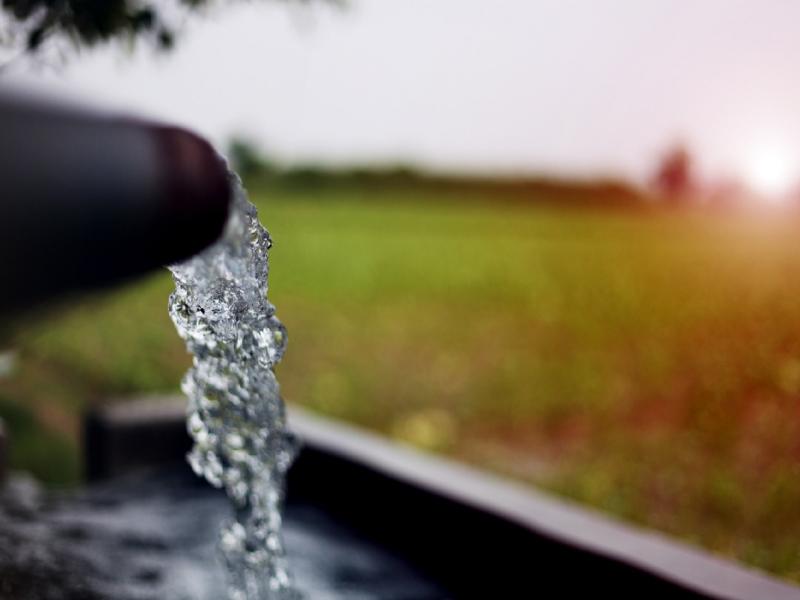
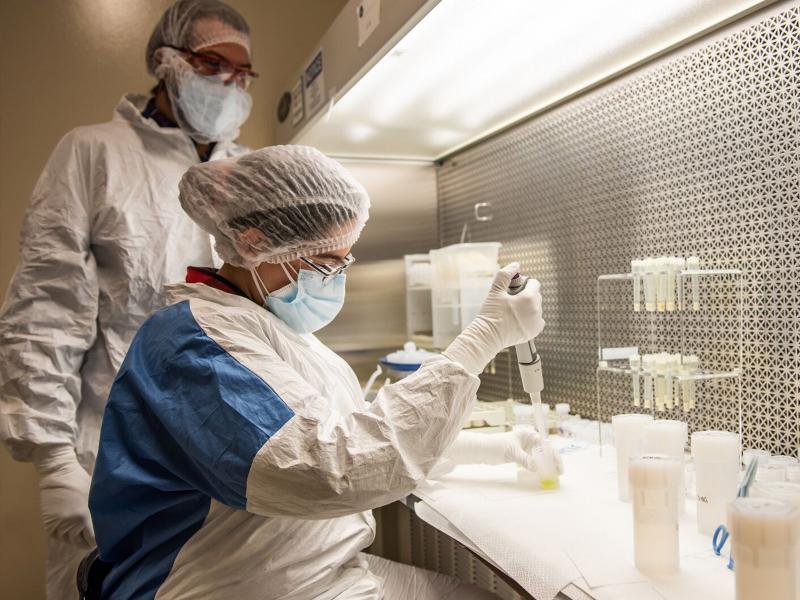
PNNL provided ultra-low measurements of argon-39 to date groundwater as part of a collaborative study of the aquifer in California’s San Joaquin Valley. PNNL is one of only a few laboratories worldwide with this capability.