In 2006, battery research was practically non-existent at PNNL. Today, the lab is lauded for its battery research. How did PNNL go from a new player to a leader in state-of-the-art storage for EVs and the grid?
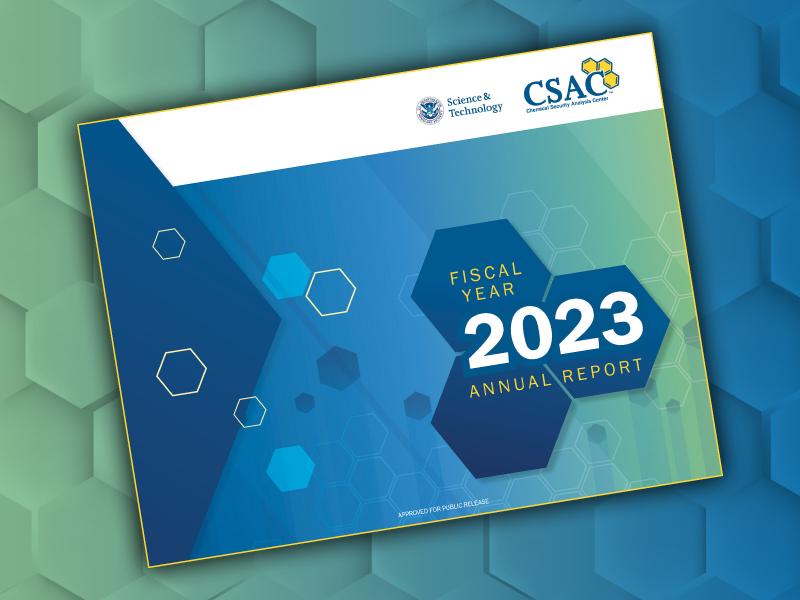
PNNL is supporting the Department of Homeland Security Science and Technology Directorate's Chemical Security Analysis Center in improving capabilities to enhance detection and analysis of chemical threats.
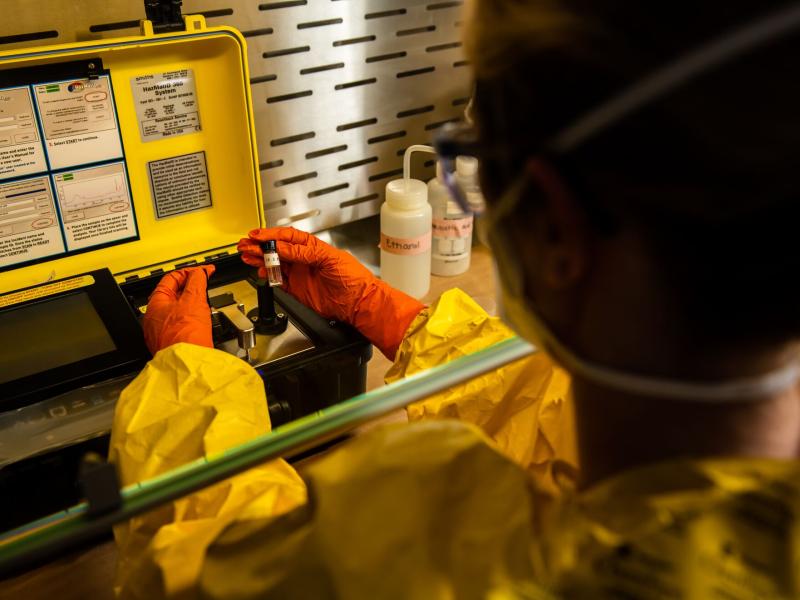
A new report highlights the results of an assessment PNNL conducted of field-portable detection products used by first responders to detect illicit substances like fentanyl in the field.
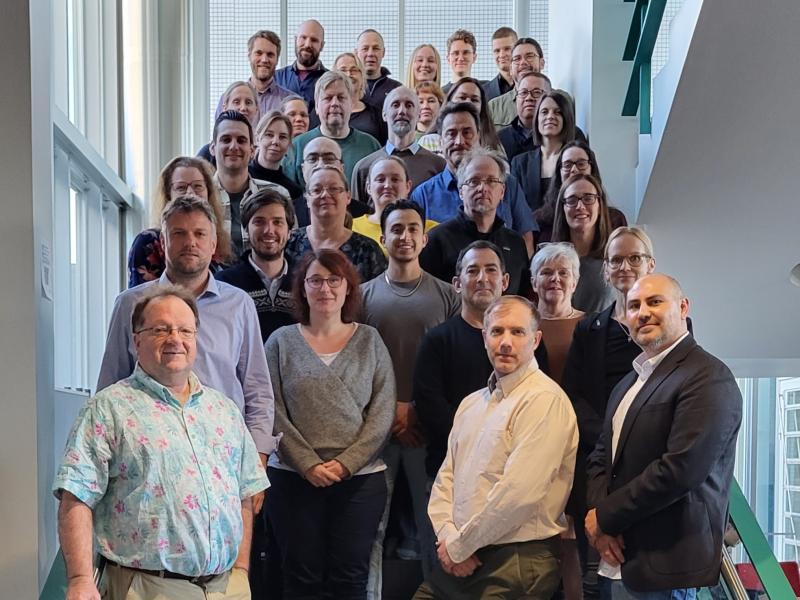
The 50th anniversary of the Finnish Institute for Verification of the Chemical Weapons Convention was recently celebrated in Helsinki, Finland. PNNL's Jonathan Forman and Raul Aranzazu attended this international event.
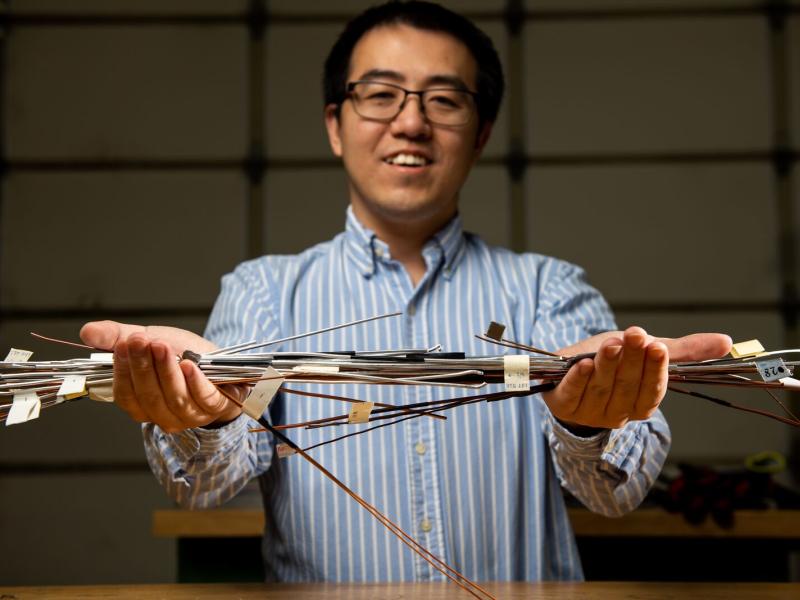
A newly developed, highly conductive copper wire could find applications in the electric grid, as well as in homes and businesses. The finding defies what's been thought about how metals conduct electricity.
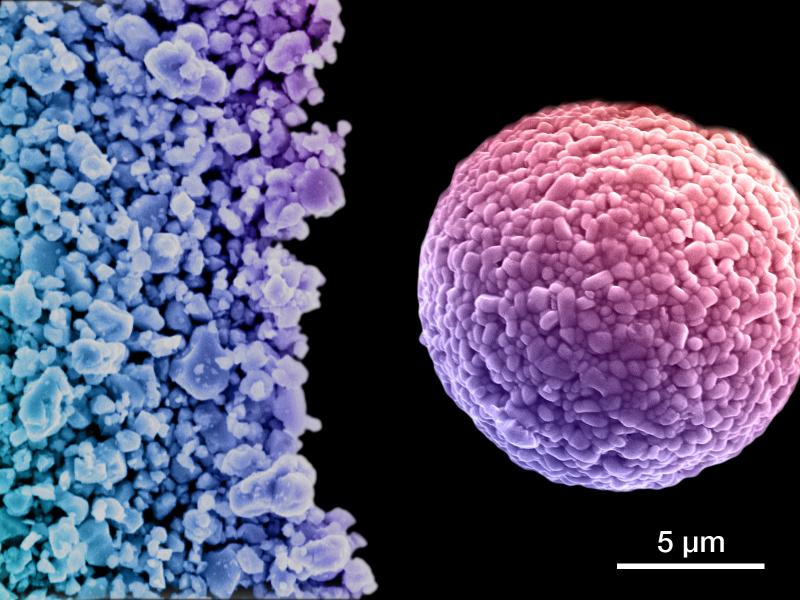
A seemingly simple shift in lithium-ion battery manufacturing could pay big dividends, improving electric vehicles’ ability to store more energy per charge and to withstand more charging cycles.
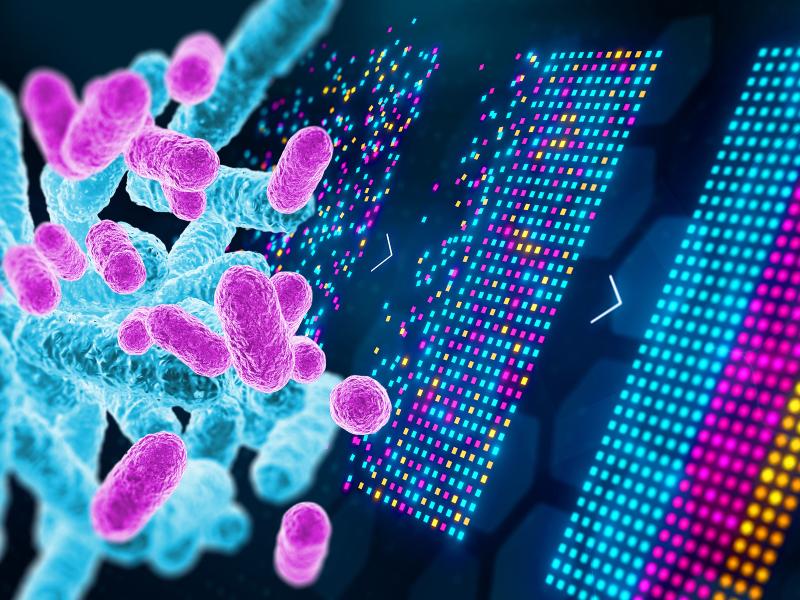
A team of researchers from PNNL provided technical knowledge and support to test a suite of techniques that detect genetically modified bacteria, viruses, and cells.
Jonathan Forman was nominated to serve on the delegation of the United States of America at the second meeting of the Working Group on Strengthening the Biological Weapons Convention.
The Department of Energy’s Vehicle Technologies Office recently issued two awards to researchers at PNNL for their contributions to areas that are crucial for the expansion of electric vehicles.
At the Nonproliferation, Counterproliferation, and Disarmament Science Gordon Research Conference, researchers from PNNL shared research and scientific approaches for countering diverse threats.
PNNL recently joined the Department of Homeland Security for two technical meetings exploring national security research spanning the threat realm, from chemical and biological attacks to adversarial artificial intelligence.
PNNL’s wide-ranging report maps the current nanobiotechnology landscape, flags potential concerns, and details the need for an organizing body to coordinate currently disparate disciplines.
Chemical Engineer Yong Wang explains the influence and opportunity for joint appointments. Wang maintains one of the longest joint appointment tenures at PNNL.
The ChemSpace Tool, when fully developed, is intended to divide chemical space into three subsets: the detectable space, the identifiable space, and the region that includes compounds that are not detectable or identifiable.
A PNNL-developed computational framework accurately predicts the thermomechanical history and microstructure evolution of materials designed using solid phase processing, allowing scientists to custom design metals with desired properties.