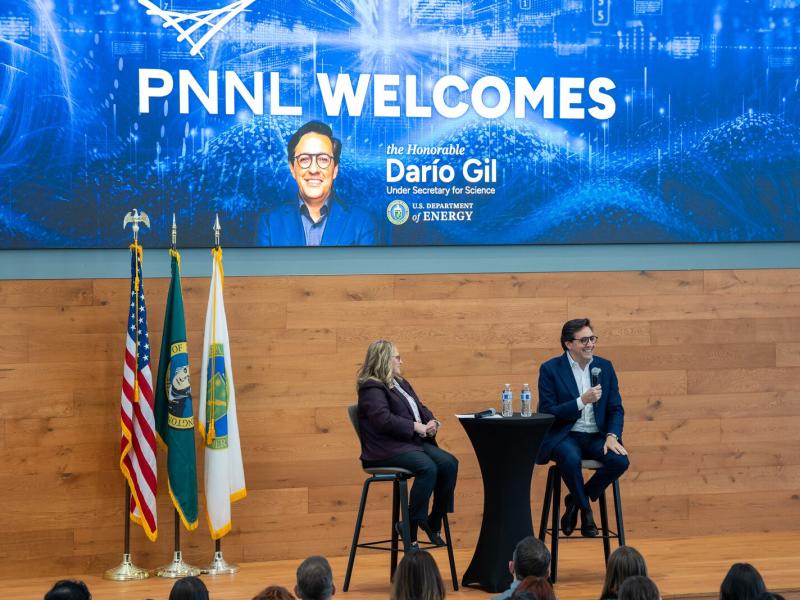
The Genesis Mission will mobilize the Department of Energy’s 17 National Laboratories, industry, and academia to build an integrated discovery platform.
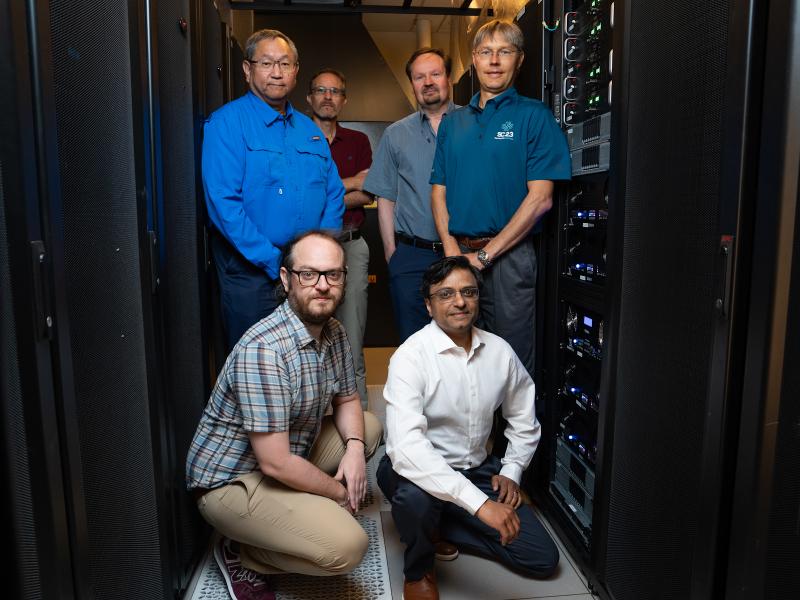
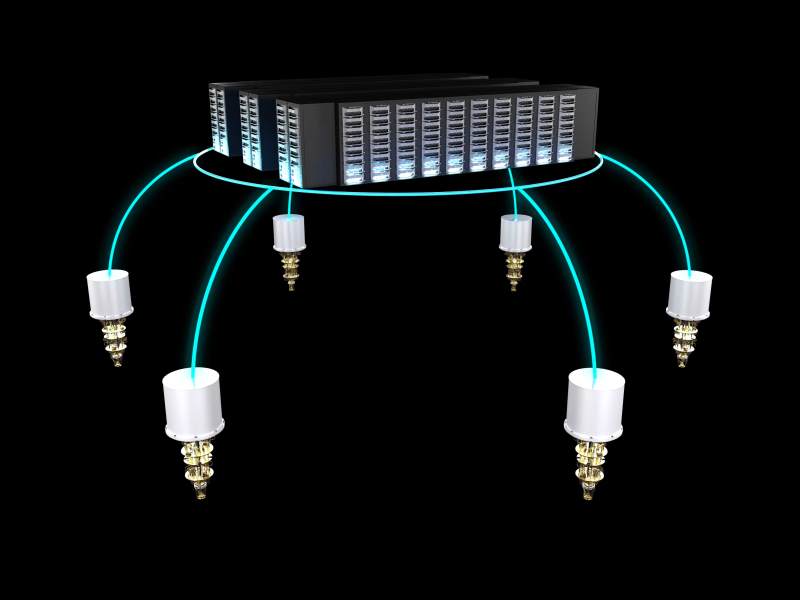
The Center for Continuum Computing at PNNL aims to integrate cloud platforms, high-performance computing, and edge devices into a seamless ecosystem that accelerates scientific discovery.
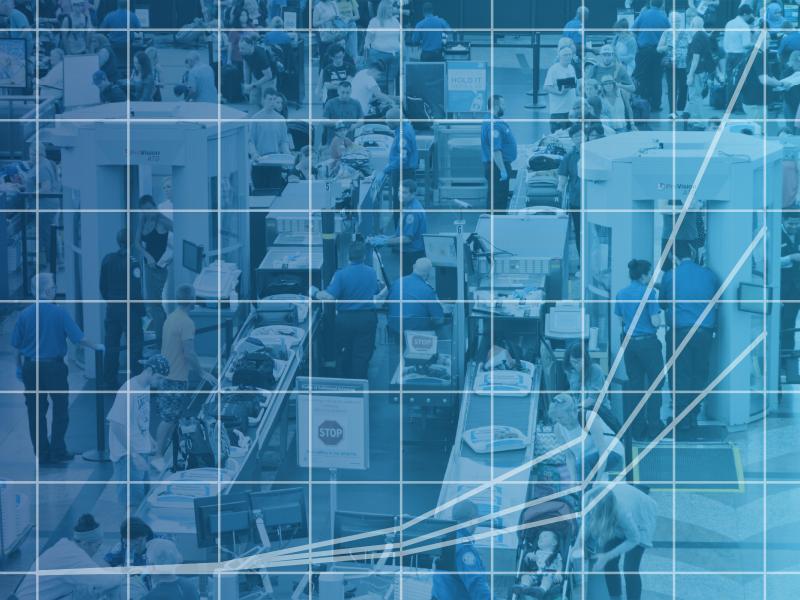
PNNL's ASSORT model will help airports balance passenger screening and security risks with throughput. It also quantifies risks for different traveler types and optimizes checkpoint operations, improving efficiency while enhancing safety.
Led by interns from multiple DOE programs, a newly expanded dataset allows researchers to use easy-to-obtain measurements to determine the elemental composition of a promising carbon storage mineral.
In a recent publication in Nature Communications, a team of researchers presents a mathematical theory to address the challenge of barren plateaus in quantum machine learning.
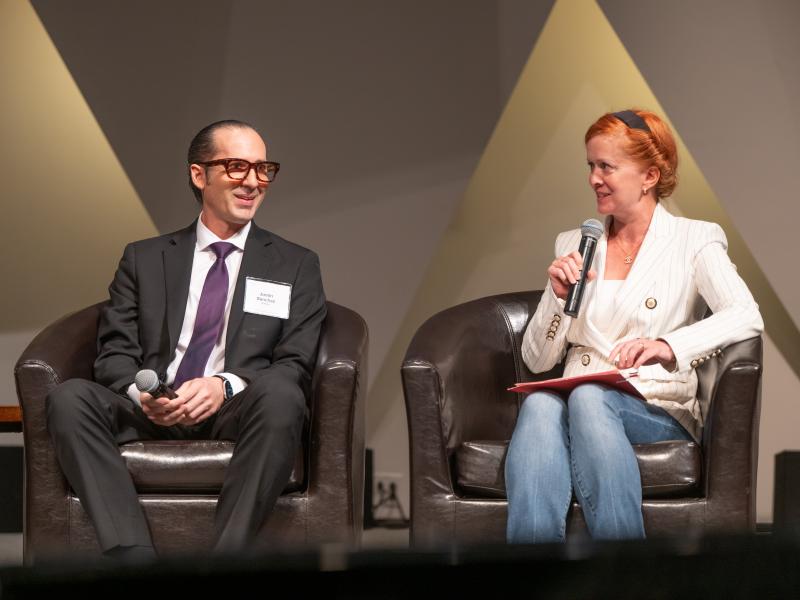
At the 2024 Aviation Futures Workshop, researchers from PNNL joined other subject matter experts and representatives from the stakeholder community in reimagining the passenger experience.
Researchers shared several technologies addressing urgent security challenges at the 2024 Homeland Protection Technologies Workshop at MIT Lincoln Laboratory, in Boston MA.
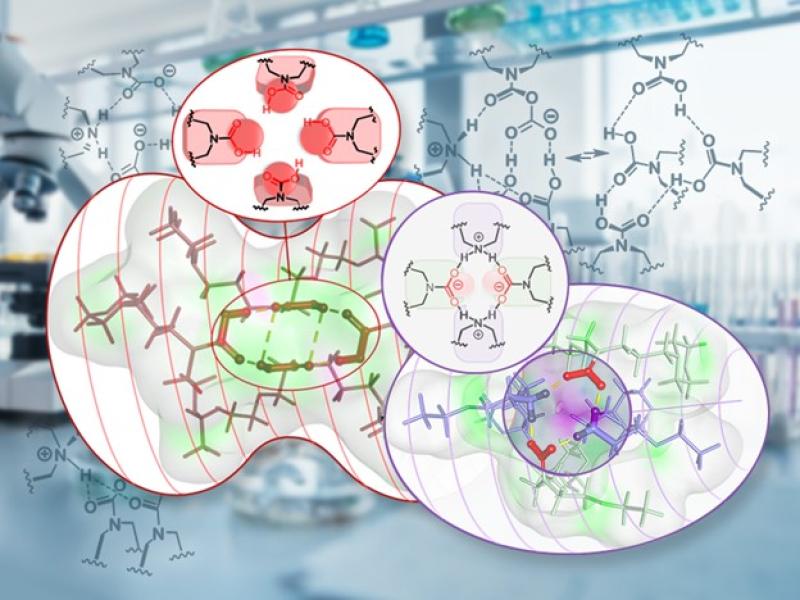
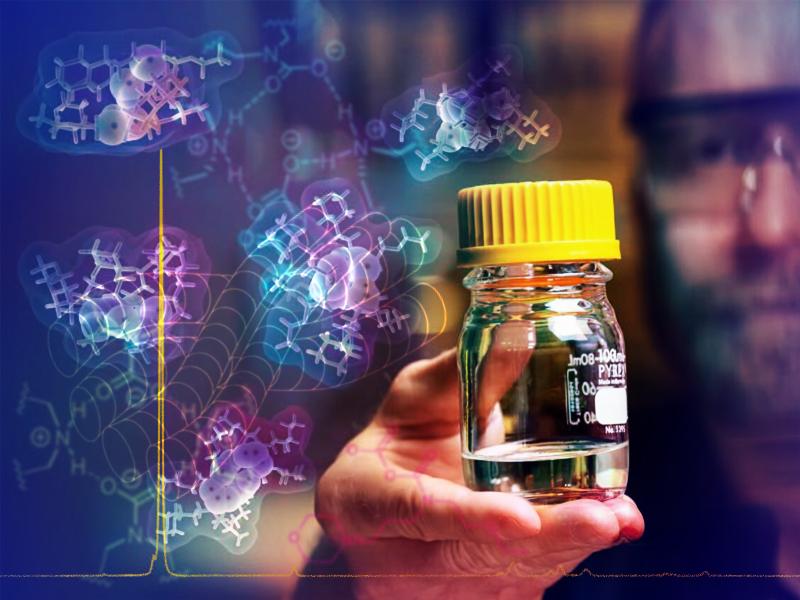
New research investigating water-lean solvents for carbon dioxide capture identifies the unique chemistry possible with their use, may lead to new design principles that move beyond single carbon capture.