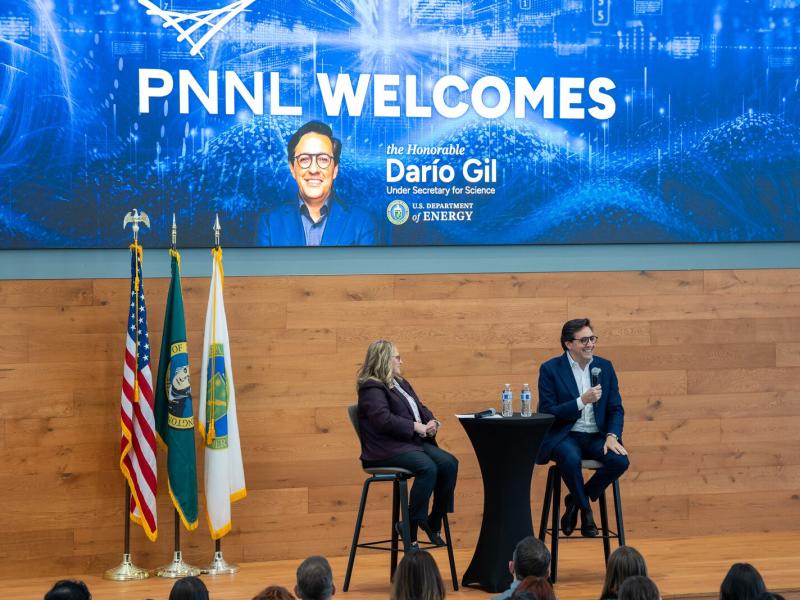
The Genesis Mission will mobilize the Department of Energy’s 17 National Laboratories, industry, and academia to build an integrated discovery platform.
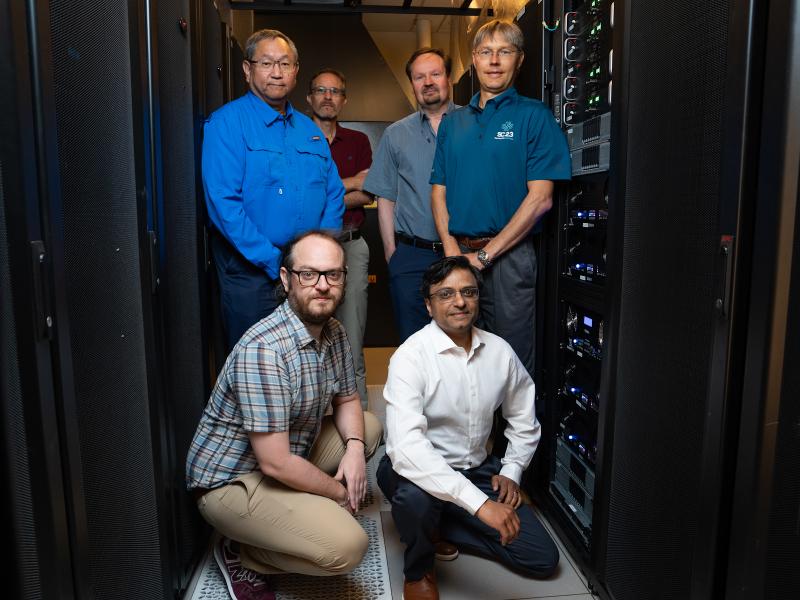
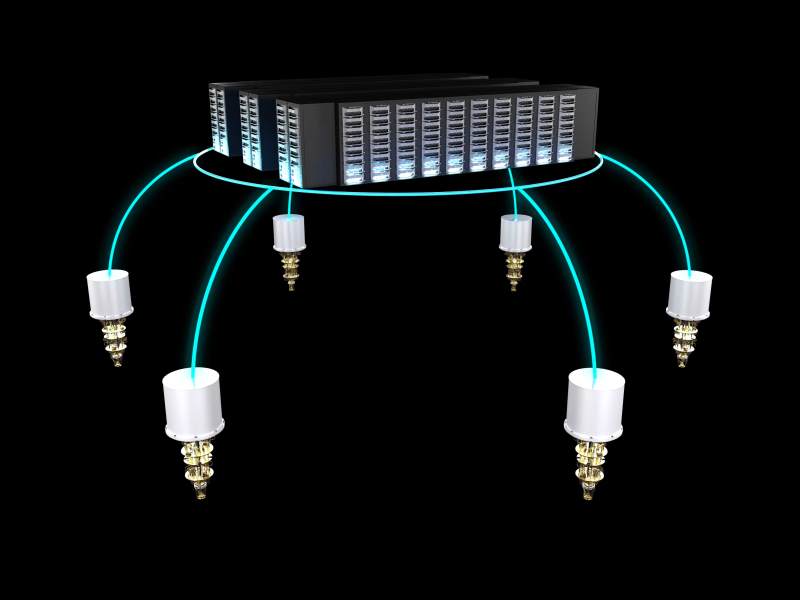
The Center for Continuum Computing at PNNL aims to integrate cloud platforms, high-performance computing, and edge devices into a seamless ecosystem that accelerates scientific discovery.
Led by interns from multiple DOE programs, a newly expanded dataset allows researchers to use easy-to-obtain measurements to determine the elemental composition of a promising carbon storage mineral.
In a recent publication in Nature Communications, a team of researchers presents a mathematical theory to address the challenge of barren plateaus in quantum machine learning.
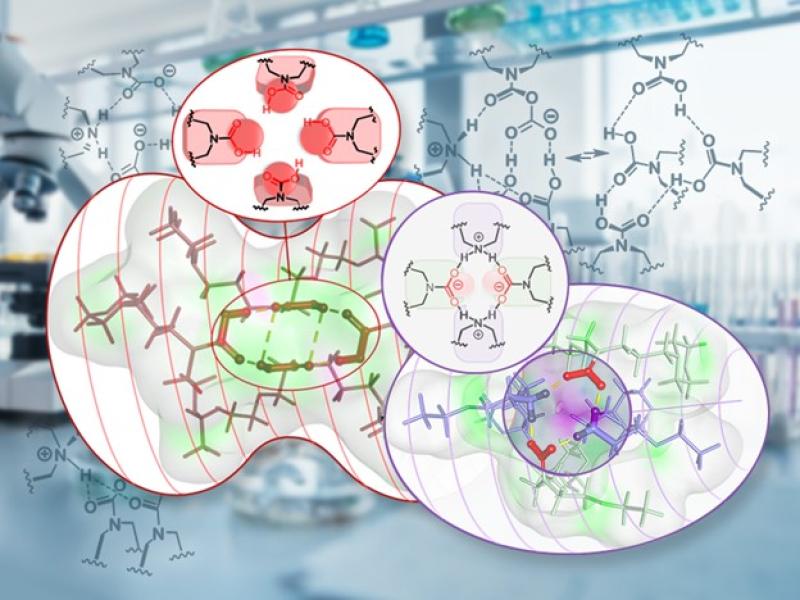
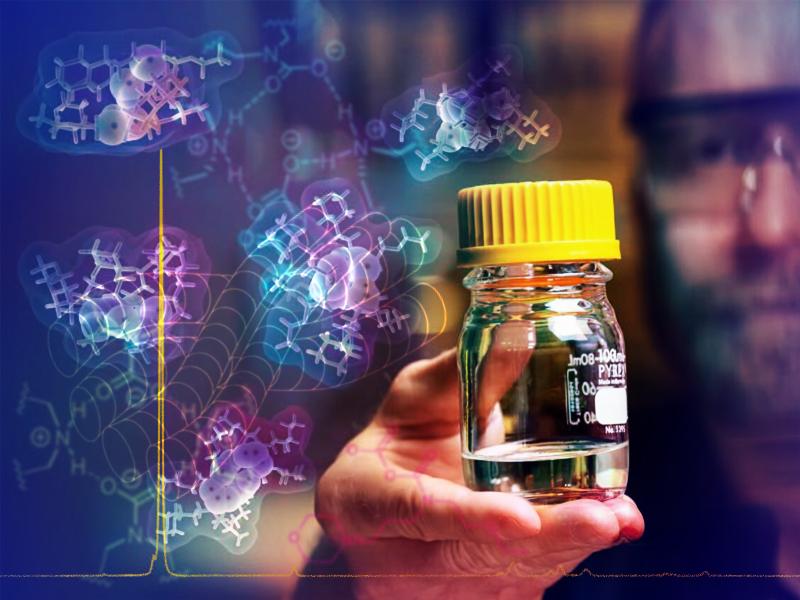
New research investigating water-lean solvents for carbon dioxide capture identifies the unique chemistry possible with their use, may lead to new design principles that move beyond single carbon capture.
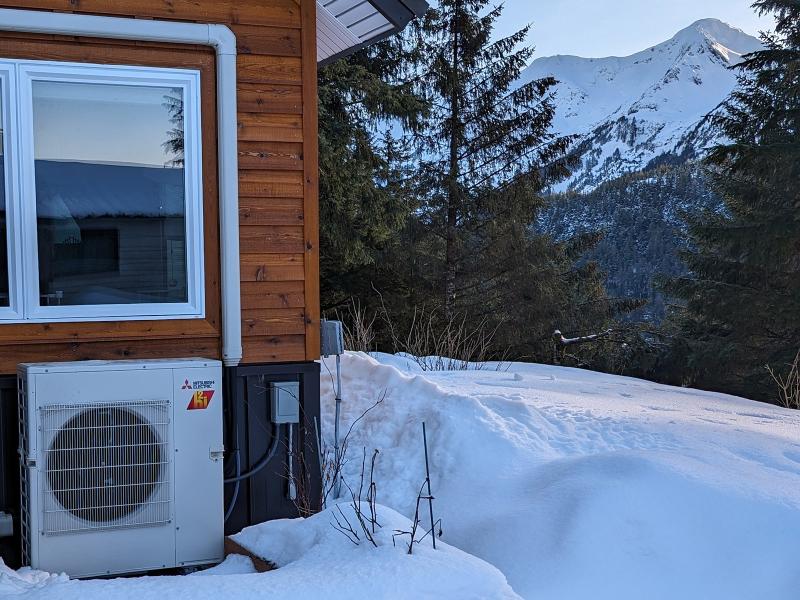
Researchers from PNNL have been assessing installation and use of electric heat pumps in an Alaskan community that relies on fuel oil for heat. The resulting information could advance electrification in cold rural areas across the nation.
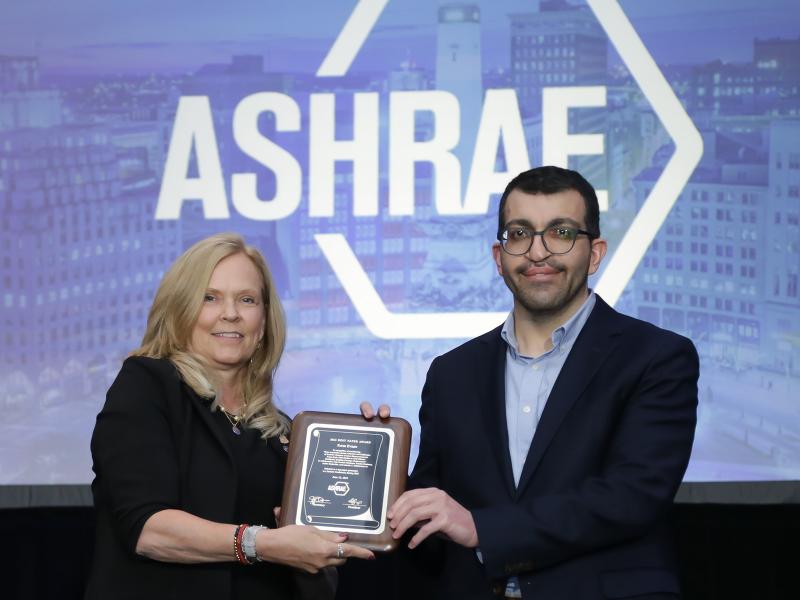
PNNL helps deliver efficiency-related rules and requirements that steadily improve performance of America’s buildings, saving energy and costs and reducing carbon emissions.