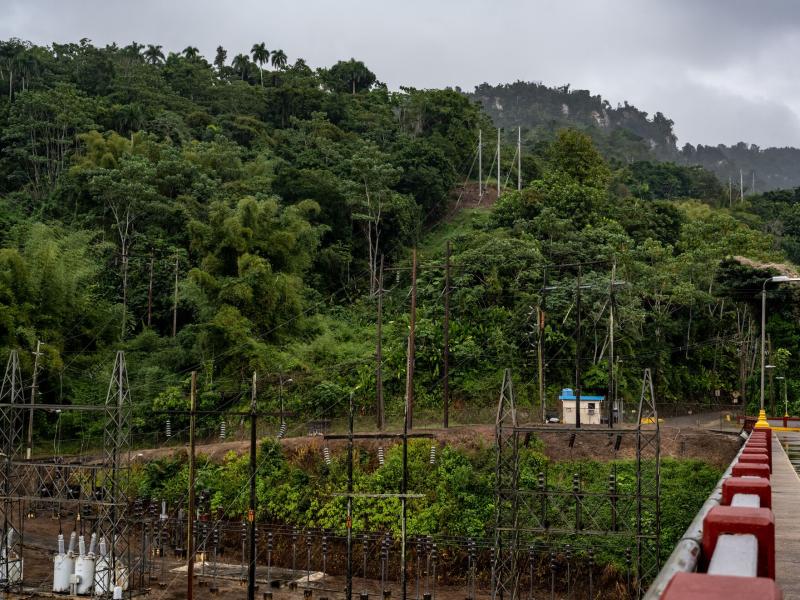
PNNL’s Chris Chini has been named a guest editor of Environmental Research: Infrastructure and Sustainability’s special issue examining energy infrastructure vulnerabilities from physical and natural threats.
PNNL chief scientist and joint appointee Auroop Ganguly was recently appointed a Distinguished Member of the Association for Computing Machinery, a high honor from the world's largest computer science society.
Ang participated in a White House-hosted CHIPS R&D event and roundtable discussion with senior leaders from industry, academia and key government agencies.
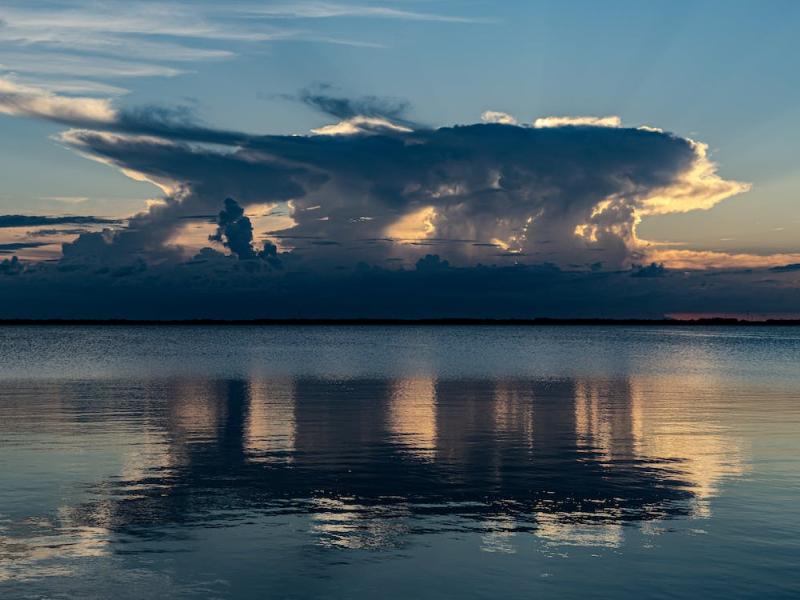
A 19-person, multi-institutional national laboratory team received the inaugural Gordon Bell Prize for Climate Modeling from the Association for Computing Machinery for their work on more accurately modeling deep convective clouds.
The convergence of artificial intelligence, cloud, and high-performance computing to accelerate scientific discovery is the focus of a multi-year collaboration between Microsoft and PNNL.
PNNL has created the Center for AI @PNNL to coordinate the pioneering research of hundreds of scientists working on a range of projects in artificial intelligence.
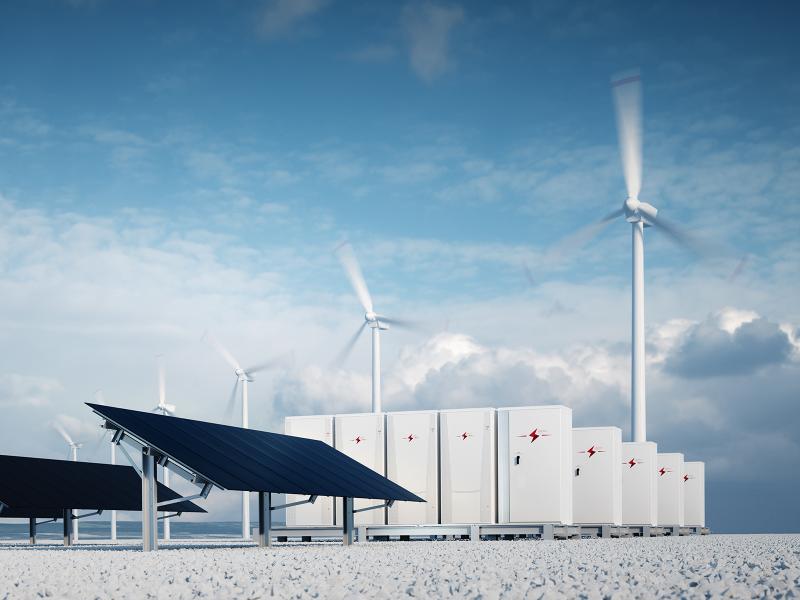
Understanding the risk of compound energy droughts—times when the sun doesn’t shine and the wind doesn’t blow—will help grid planners understand where energy storage is needed most.
Ripples demonstration will take place at the DOE booth at the International Conference for High Performance Computing, Networking, Storage, and Analysis.
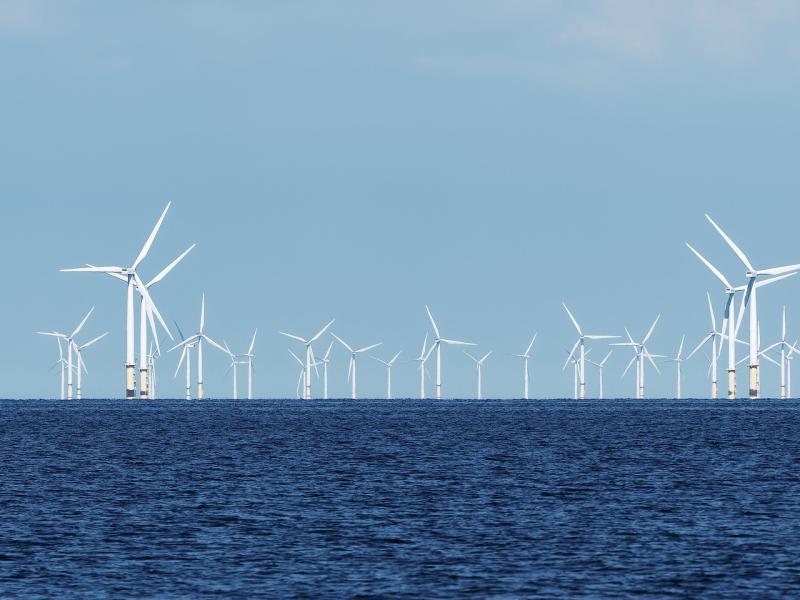
Floating offshore wind farms could potentially triple the Pacific Northwest's wind power capacity while offsetting billions of dollars in costs for utilities, ratepayers, insurance companies, and others.
Scientists at PNNL were awarded nearly $12 million to better understand pathogens, how they spread, and how to prepare the nation against future outbreaks.