Early life exposure to polycyclic aromatic hydrocarbons (PAHs), found in smoke, has been linked to developmental problems. To study the impacts of these pollutants, PAH metabolism in infants and adults were compared.
Discovering and measuring the spatial organization of proteins within cells allows scientists to map complex proteoforms across tissues with near-cellular resolution.
The Health Physics Society has selected Jonathan Napier, a PNNL environmental health physicist, to serve as a delegate to the International Radiation Protection Association’s General Assembly.
Scientists screen for nanobodies that recognize wild type and mutant functional proteins to develop a framework to disrupt protein interactions that can cause disease.
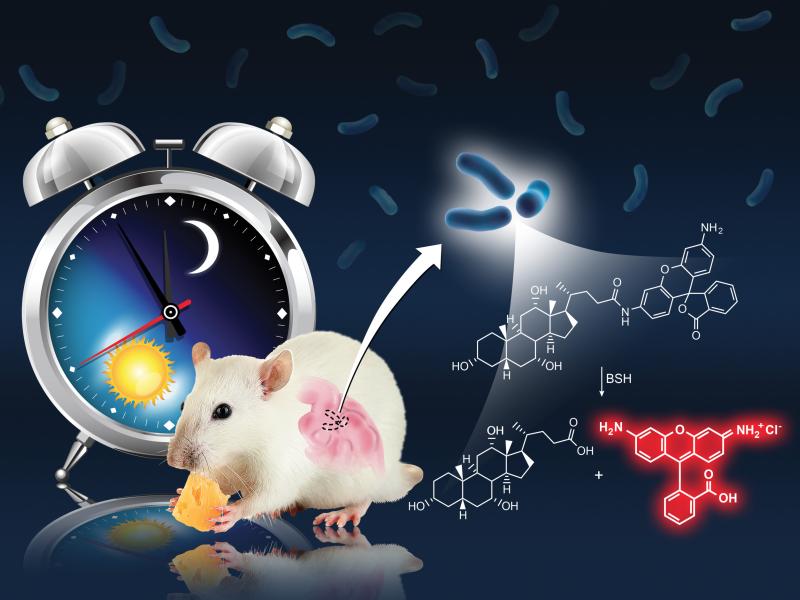
This study profiled the 24-hour rhythmicity in bile salt hydrolase enzyme activity using simple fluorescence assay and the results showed that this rhythmicity is influenced by feeding patterns of the host.