Neeraj Kumar discusses how AI can transform scientific research at the Platform for Advanced Scientific Computing Conference and Trillion Parameter Consortium European Workshop.
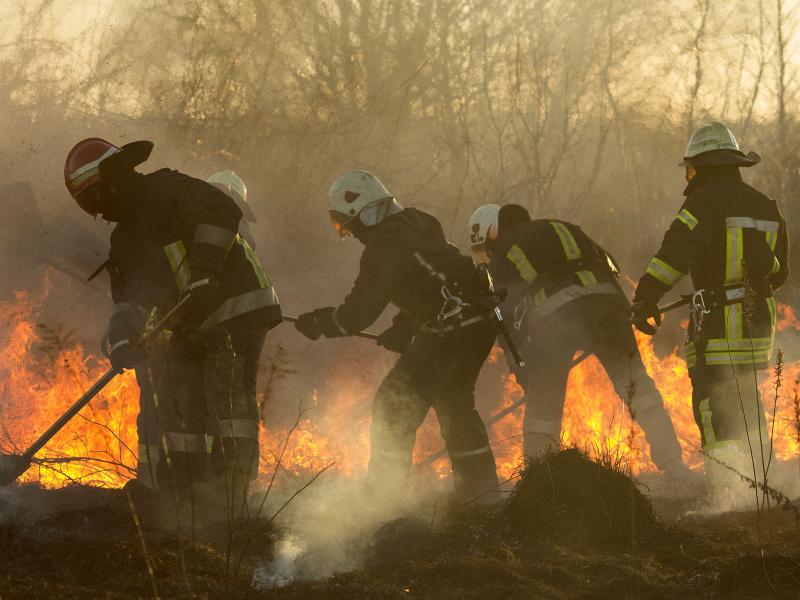
Early life exposure to polycyclic aromatic hydrocarbons (PAHs), found in smoke, has been linked to developmental problems. To study the impacts of these pollutants, PAH metabolism in infants and adults were compared.
Discovering and measuring the spatial organization of proteins within cells allows scientists to map complex proteoforms across tissues with near-cellular resolution.
The Health Physics Society has selected Jonathan Napier, a PNNL environmental health physicist, to serve as a delegate to the International Radiation Protection Association’s General Assembly.
PNNL helps deliver efficiency-related rules and requirements that steadily improve performance of America’s buildings, saving energy and costs and reducing carbon emissions.
Mandy Mahoney, director of the DOE Building Technologies Office, visited PNNL in late November. One key agenda item involved meeting with staff for a discussion of effective equity and justice integration in buildings-related research.
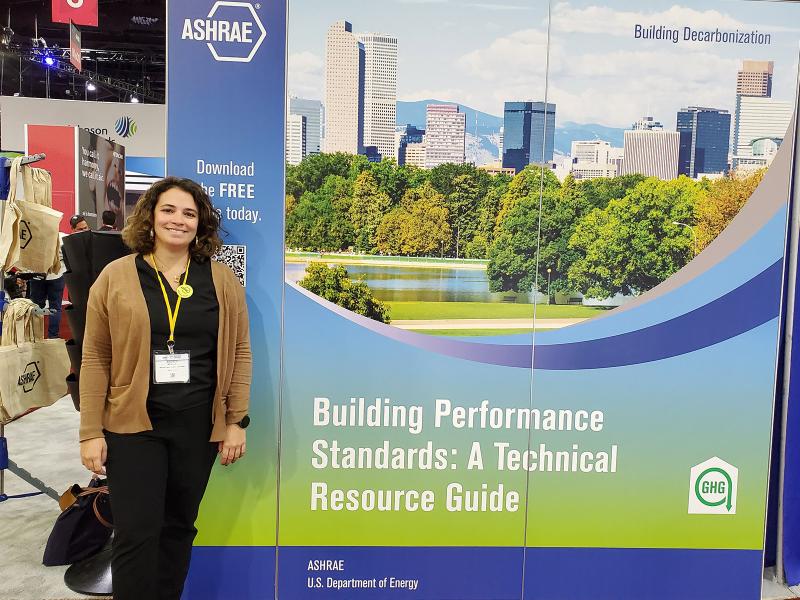
PNNL’s Andrea Mengual co-chaired a working group that produced Building Performance Standards: A Technical Resource Guide. PNNL’s Kim Cheslak, Bing Liu, and Jian Zhang contributed to the effort.