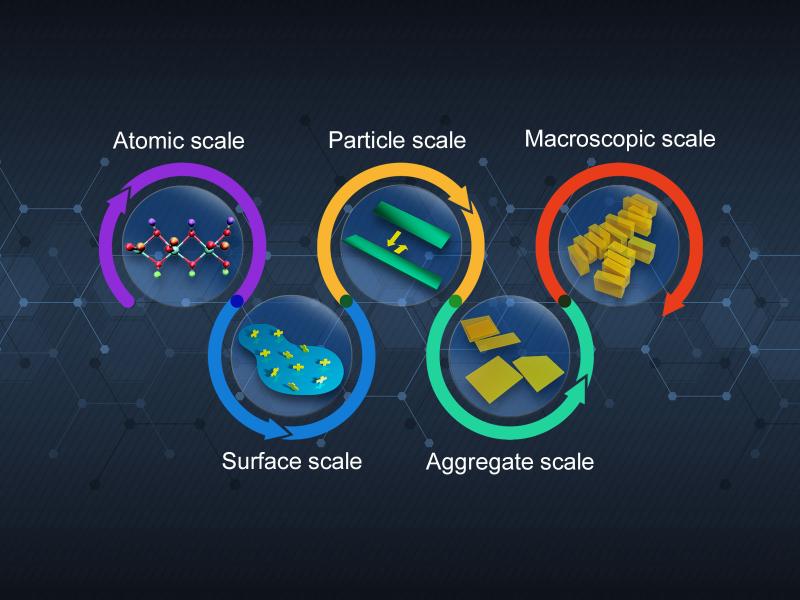
Resolving how nanoparticles come together is important for industry and environmental remediation. New work predicts nanoparticle aggregation behavior across a wide range of scales for the first time.
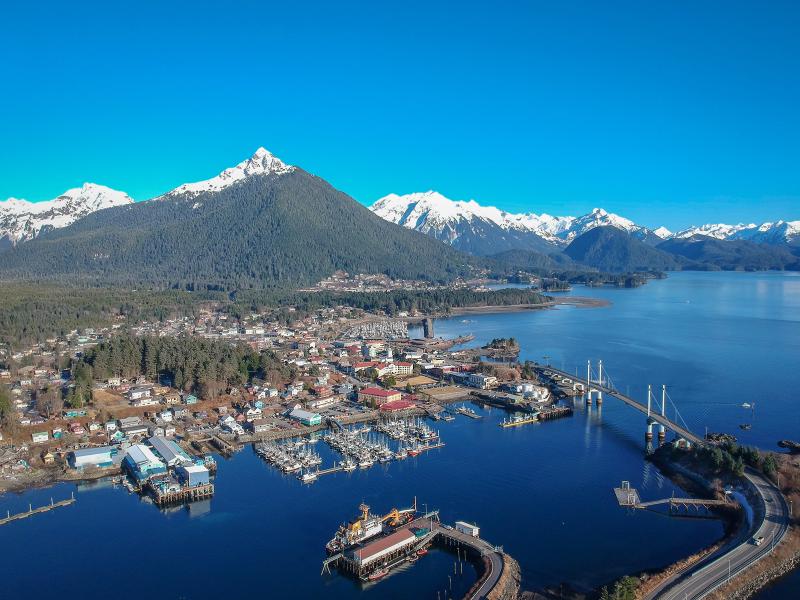
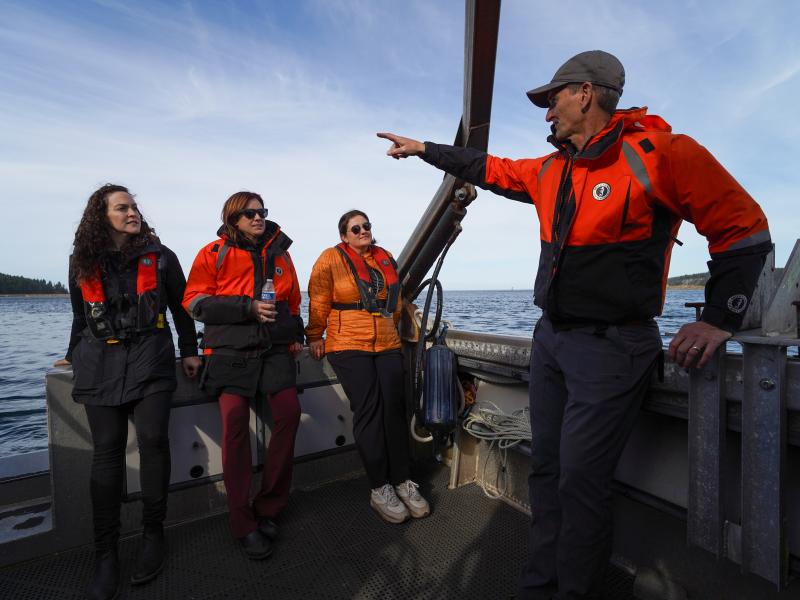
To identify communities ready for marine energy, help them realize their energy resilience goals, and facilitate community leadership in future projects, two national laboratories are developing the Deployment Readiness Framework.
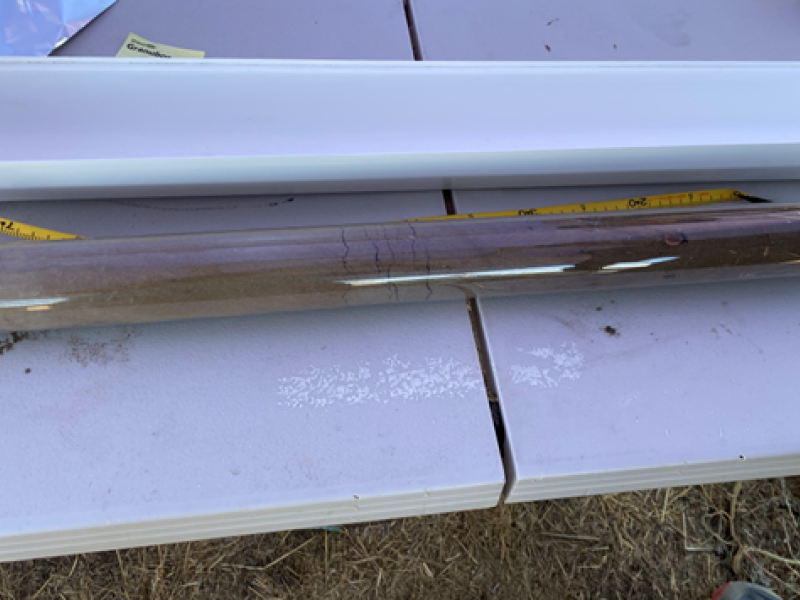
Soil is a massive reservoir of carbon, holding three times the amount of carbon than in the atmosphere. Soil is a massive reservoir of carbon, holding three times the amount of carbon than in the atmosphere.
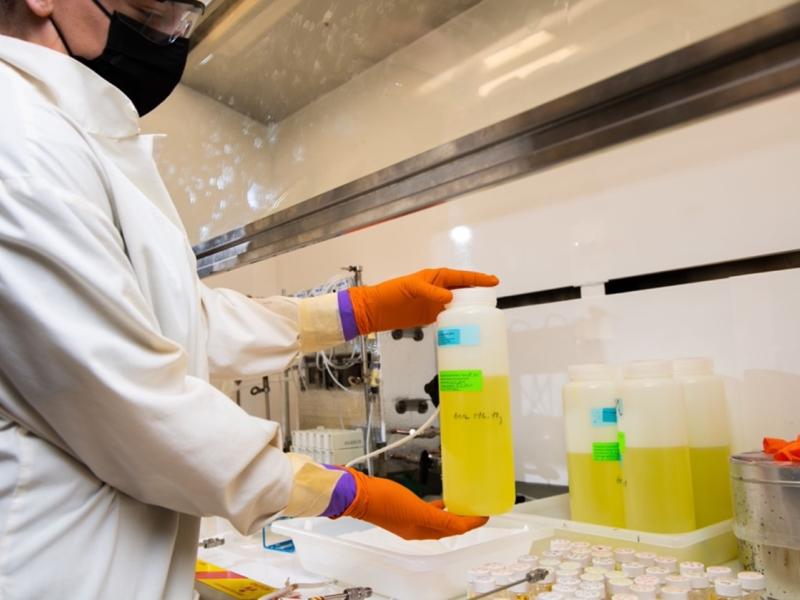
A poem inspired by radioactive tank waste—“Can a Scientist Dream it Alone?”—was awarded first place in the Department of Energy’s Poetry of Science Art Contest.
The diversity and function of organic matter in rivers at a large scale are influenced by factors, such as the types of vegetation covering the land, the energy characteristics, and the breakdown potential of the molecules.
Summer is for science! PNNL’s interns are diving into science and technology and getting a front-row view of the research and development of a national laboratory.
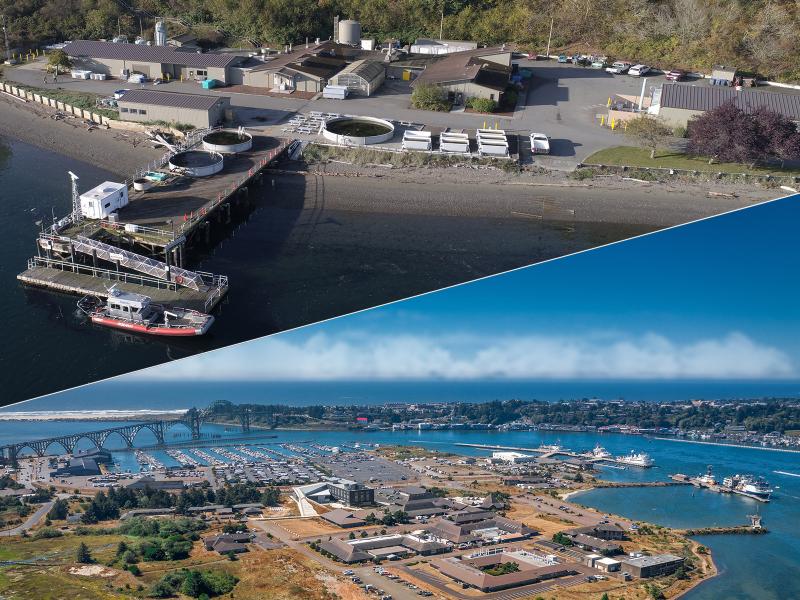
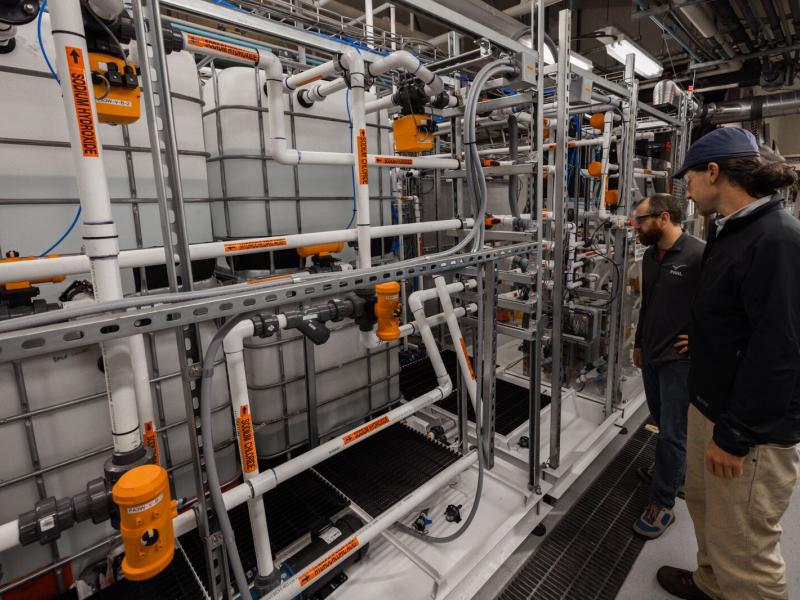
PNNL-Sequim scientists will spend the next year testing a new technology that could allow the ocean to soak up more carbon dioxide without contributing to ocean acidification.
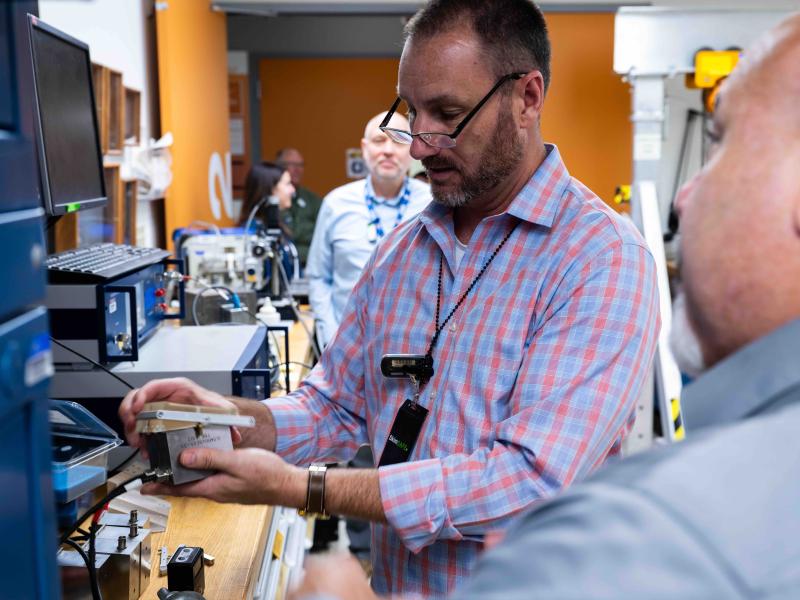
Bradley Crowell with the U.S. Nuclear Regulatory Commission sees advanced materials integrity, radiological measurement, and environmental capabilities on his first visit to PNNL.
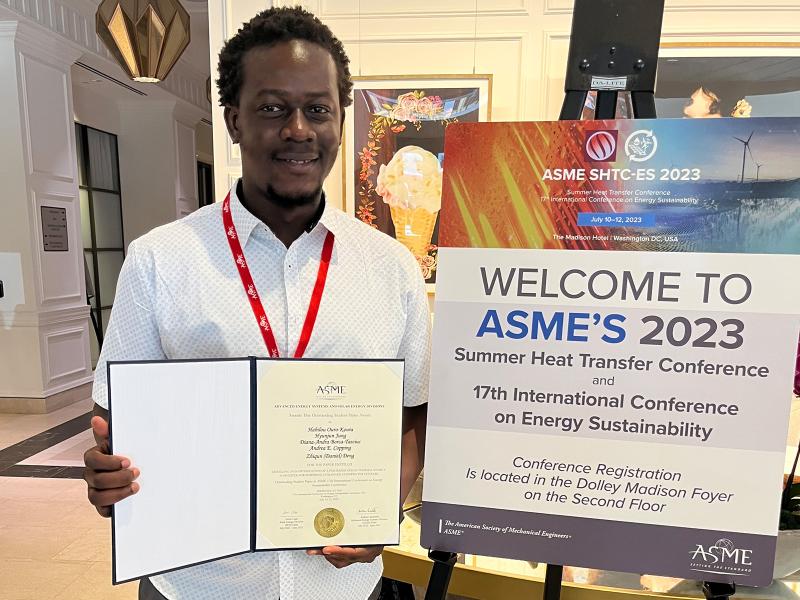
The American Society of Mechanical Engineers recognizes Habilou Ouro-Koura at the organization’s recent International Conference on Energy Sustainability.
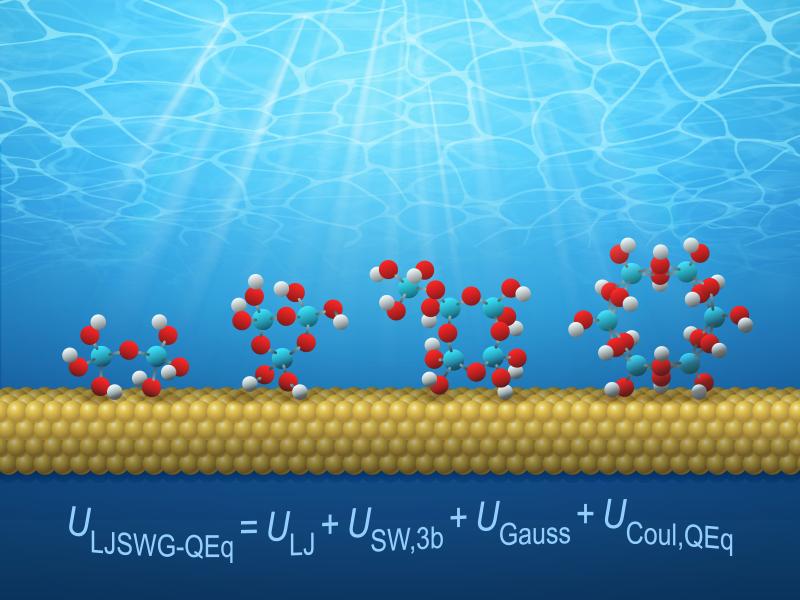
IDREAM research shows that keeping only the most important two- and three-body terms in reactive force fields can decrease computational cost by one order of magnitude, while preserving satisfactory accuracy.
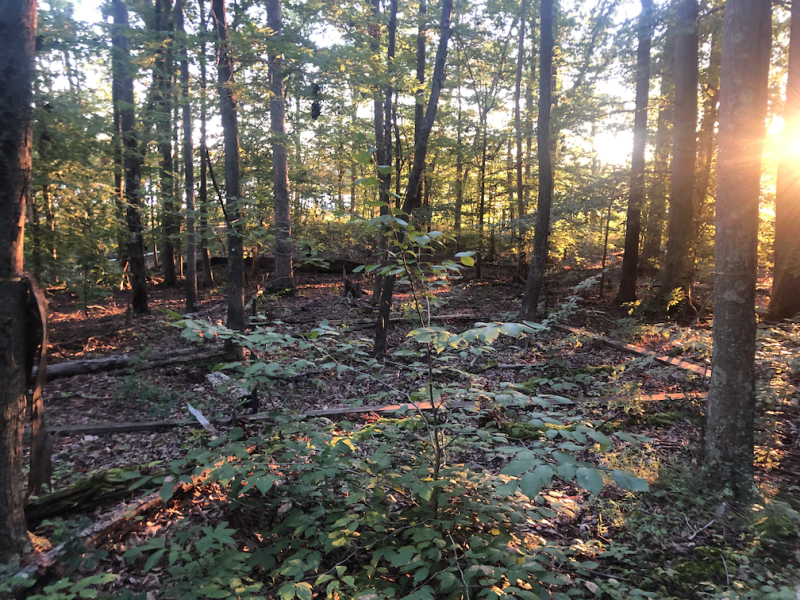
This study demonstrated that a large-scale flooding experiment in coastal Maryland, USA, aiming to understand how freshwater and saltwater floods may alter soil biogeochemical cycles and vegetation in a deciduous coastal forest.
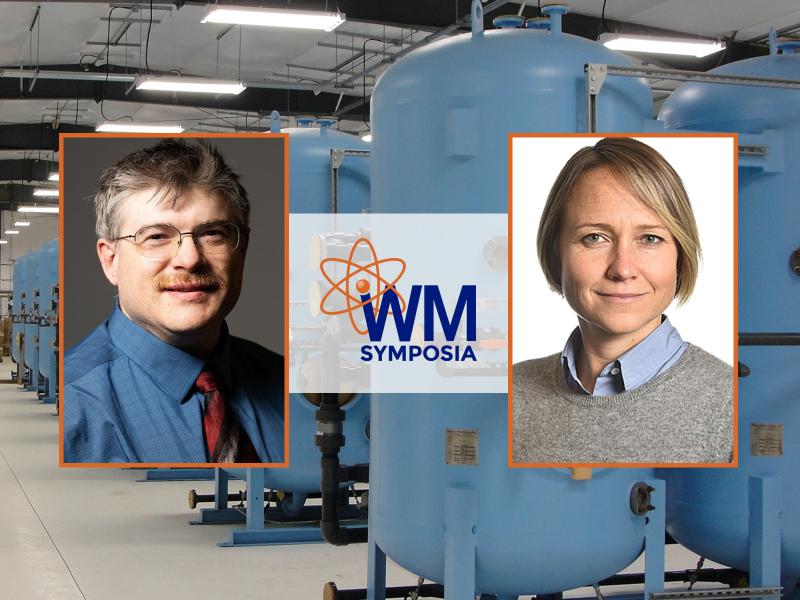
Waste Management Symposia ‘Paper of Note’ and ‘Superior Paper’ awards recognize PNNL contributions to advancing radioactive waste and materials management.