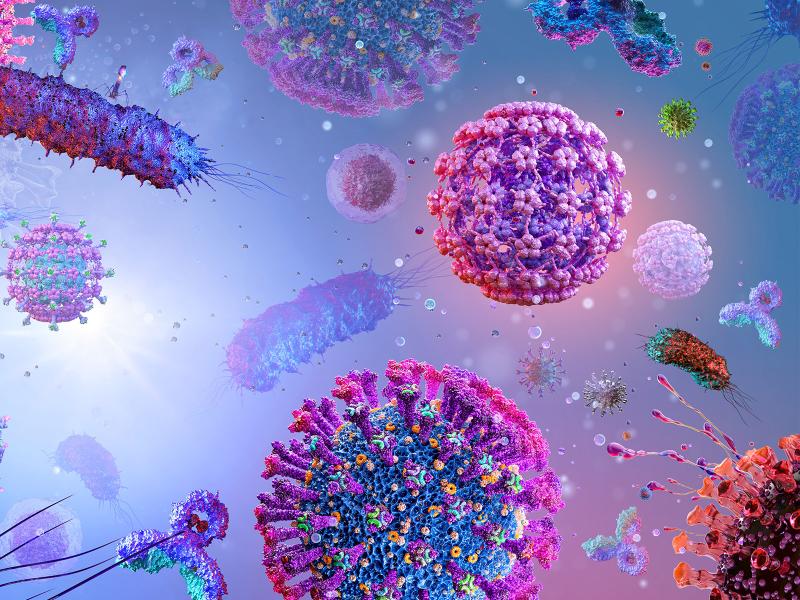
Early life exposure to polycyclic aromatic hydrocarbons (PAHs), found in smoke, has been linked to developmental problems. To study the impacts of these pollutants, PAH metabolism in infants and adults were compared.
PNNL has developed a decision tool that provides contractors and installers with the information they need to properly select and install cold climate heat pumps, which are a key technology for achieving decarbonization.
Discovering and measuring the spatial organization of proteins within cells allows scientists to map complex proteoforms across tissues with near-cellular resolution.
Andrew White goes back to his alma mater, Georgia Tech, as young alumni keynote speaker for the Sustainability Showcase, part of the university’s larger Sustainable Development Goals Action & Awareness Week.
Tennessee State University received Department of Energy funding to establish an academy focused on preparing students and professionals to work in an emerging field: clean energy systems. PNNL is helping with that effort and others.
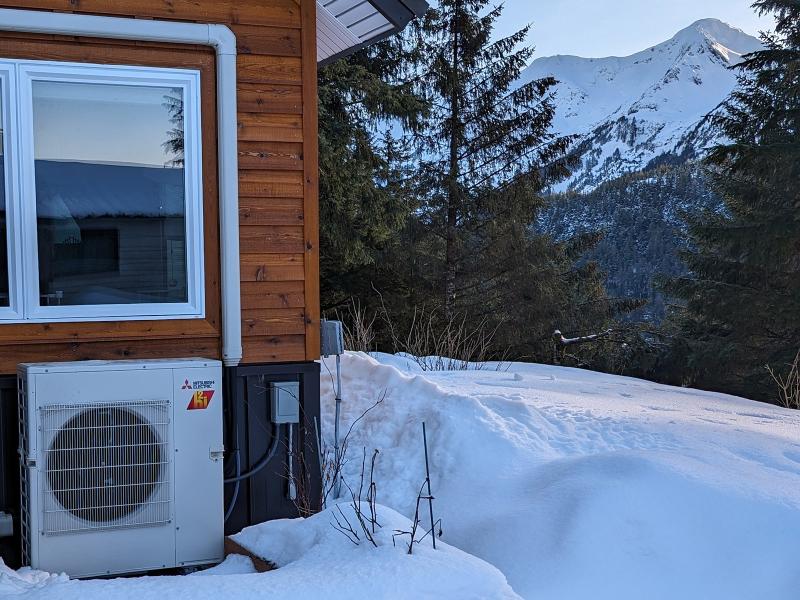
Researchers from PNNL have been assessing installation and use of electric heat pumps in an Alaskan community that relies on fuel oil for heat. The resulting information could advance electrification in cold rural areas across the nation.
The Health Physics Society has selected Jonathan Napier, a PNNL environmental health physicist, to serve as a delegate to the International Radiation Protection Association’s General Assembly.
PNNL helps deliver efficiency-related rules and requirements that steadily improve performance of America’s buildings, saving energy and costs and reducing carbon emissions.
Mandy Mahoney, director of the DOE Building Technologies Office, visited PNNL in late November. One key agenda item involved meeting with staff for a discussion of effective equity and justice integration in buildings-related research.