A team of researchers from PNNL provided technical knowledge and support to test a suite of techniques that detect genetically modified bacteria, viruses, and cells.
In a new paper, researchers point to three major efforts where the biggest climate mitigation gains stand to be realized: ramping up carbon dioxide removal, reigning in non-carbon dioxide emissions and halting deforestation.
High fidelity simulations enabled by high-performance computing will allow for unprecedented predictive power of molecular level processes that are not amenable to experimental measurement.
A new discovery by PNNL researchers has illuminated a previously unknown key mechanism that could inform the development of new, more effective catalysts for abating NOx emissions from combustion-engines burning diesel or low carbon fuel.
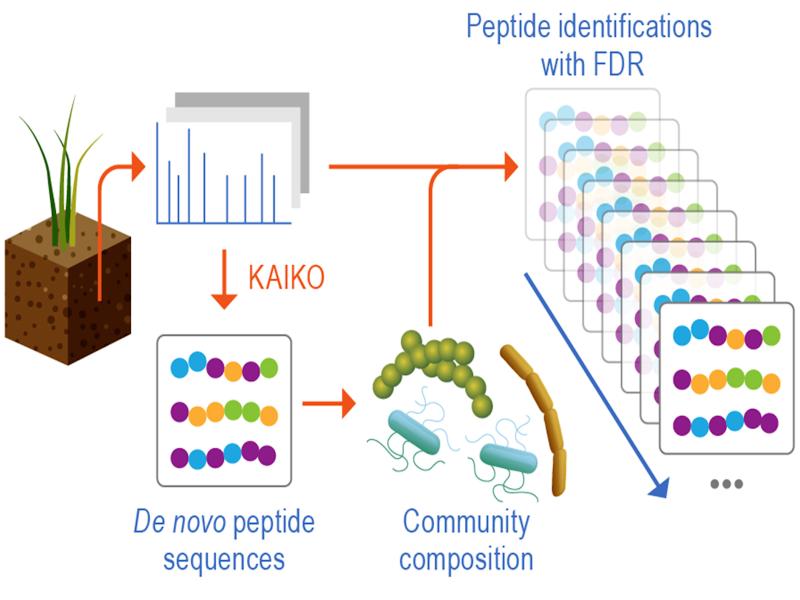
Scientists can now generate a protein database directly from proteomics data gathered from a specific soil sample using a digital tool and deep learning computer model called Kaiko.
Corinne Fuller has been named the new co-director of the Bioproducts Institute, a research collaboration between Washington State University and PNNL, as of July 2023.
At the Nonproliferation, Counterproliferation, and Disarmament Science Gordon Research Conference, researchers from PNNL shared research and scientific approaches for countering diverse threats.
Through collaboration with the Department of Homeland Security Soft Target Engineering to Neutralize the Threat Reality Center of Excellence, PNNL is advancing research and development of tools and methodologies to protect crowded places.
This study profiled the 24-hour rhythmicity in bile salt hydrolase enzyme activity using simple fluorescence assay and the results showed that this rhythmicity is influenced by feeding patterns of the host.
New research from PNNL and Washington State University collaborators connects the microbiome in the gut to circadian rhythms, suggesting a role for the microbiome as an internal regulator.
Team brought experience in nuclear waste forms and regulatory policies to the Federally Funded Research and Development Center’s report, which was reviewed by a National Academies’ committee.
The popular approach of organizing soil bacteria into fast- or slow-growing groups is problematic because most bacteria grow at comparable rates in soil.
Ann Lesperance has been invited to continue her role on the Domestic Preparedness advisory board, which convenes multidisciplinary subject matter experts to support the Domestic Preparedness Journal's editorial plan.