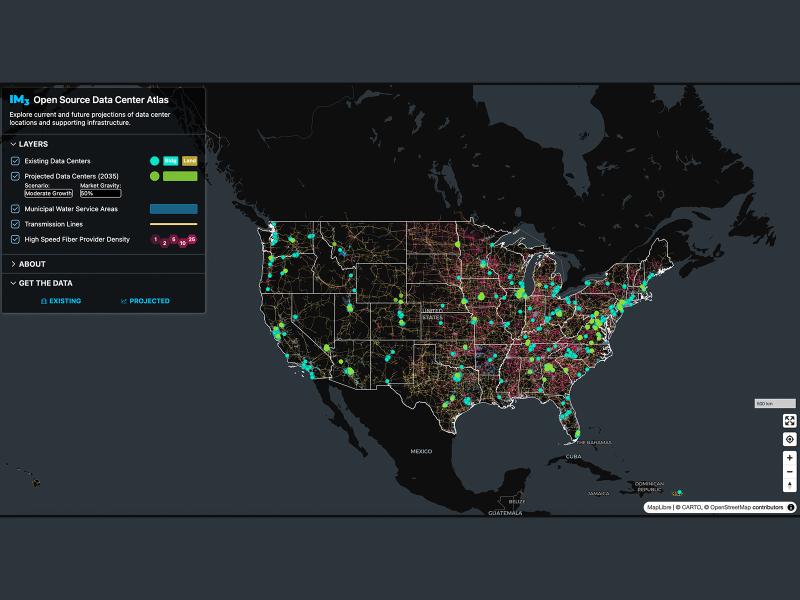
Now, anyone can easily explore and access data from a nationwide map of data centers, the infrastructure that powers them, and projections of future data center locations.
A modeling study shows that adding batteries to a dam could decrease the wear and tear on hydropower turbines and open up new opportunities for dam operators to earn revenue.
The Genesis Mission will mobilize the Department of Energy’s 17 National Laboratories, industry, and academia to build an integrated discovery platform.
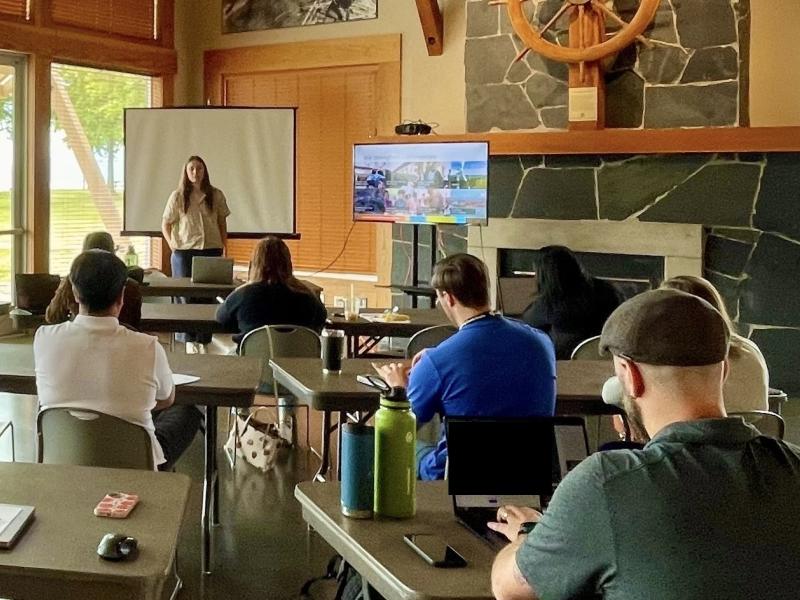
Utilities across Washington join PNNL and the Washington State Department of Commerce to explore new tools and strategies for building resilient and reliable power systems.
This summer, PNNL hosted the inaugural “As Conductive As Copper” (AC2.0) workshop, fostering a collaborative conversation on the future of the U.S. copper supply chain.
The Low-cost Earth-abundant Na-ion Storage consortium is a major effort to create superior, no-compromise batteries that replace lithium with inexpensive, domestically abundant sodium and use few—if any—critical materials.
PNNL's E-COMP initiative is helping unleash American energy innovation with advanced theories, models, and software tools to better operate power systems that rely heavily on high-speed power electronic control.
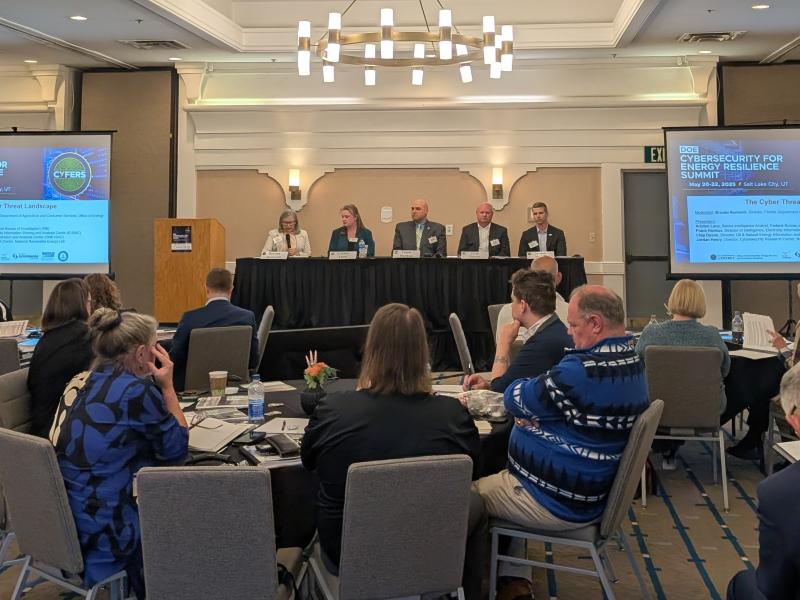
CESER and PNNL convened a three-day summit with more than 100 state officials, cybersecurity experts, and industry leaders across 35 states to advance energy security planning, cyber risk assessment, and fortify protections against attacks.
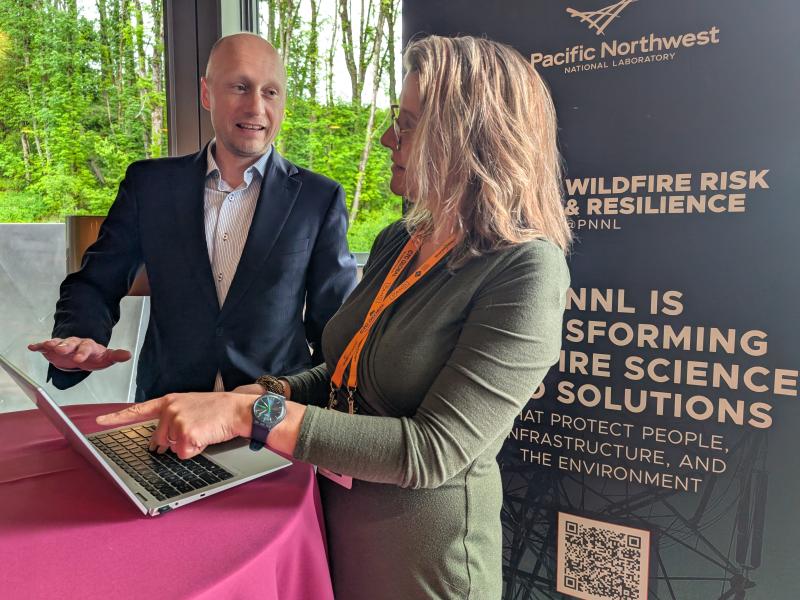
The Wildfire Mitigation Plan Database was built to support electric utilities, state governments, policymakers, and regulators in understanding and improving wildfire risk and resilience strategies.
Danny Herrera, a systems engineer and leader in the National Security Directorate at PNNL, has been named the new co-director of the Institute for Cybersecurity and Resilient Infrastructure Studies.