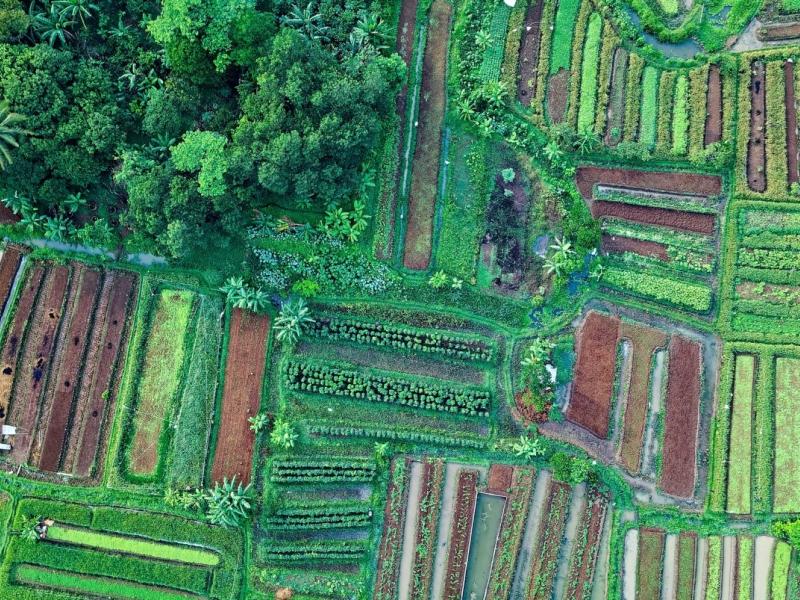
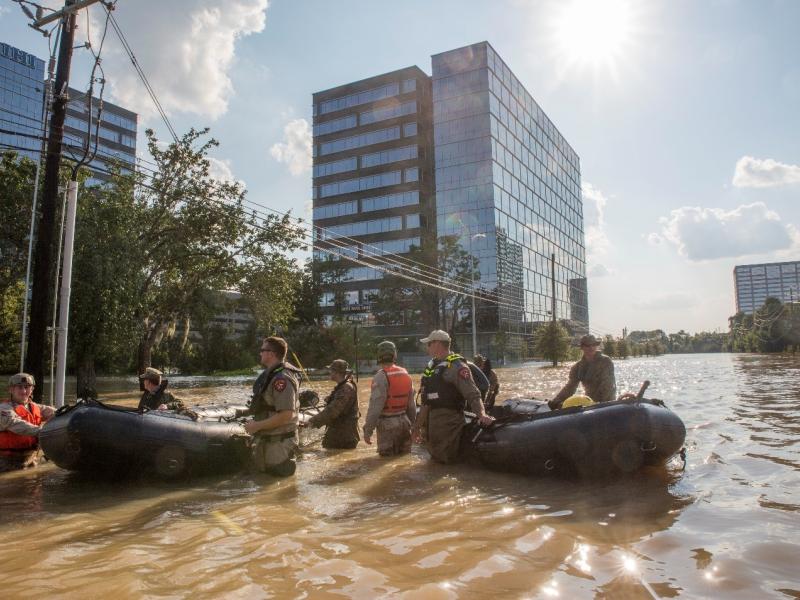
Testing the assumption that different future socio-economic development patterns, which result in different land-use changes, can be paired with different future climate outcomes for risk assessments in a multi-model framework.
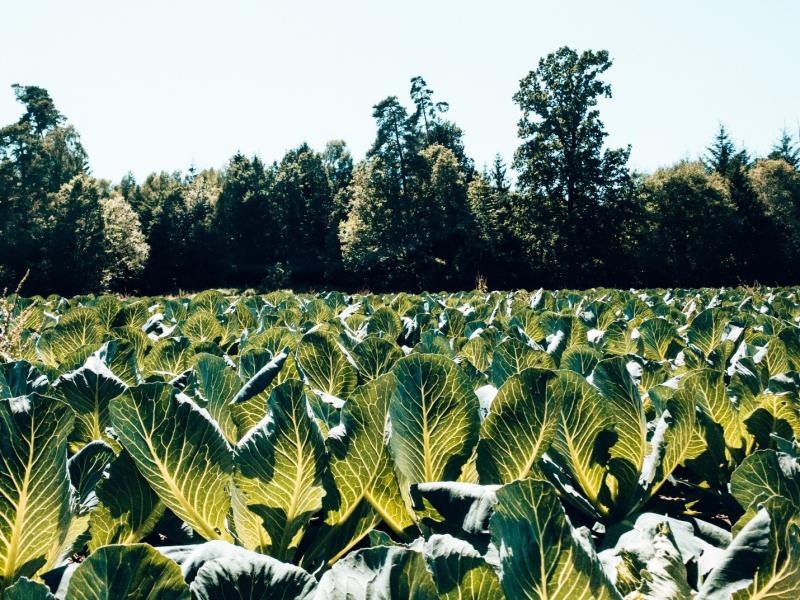
Incorporating spatially explicit land characteristics in a global model illustrates the complex effects of applying uniform regional protection assumptions in a global analysis.
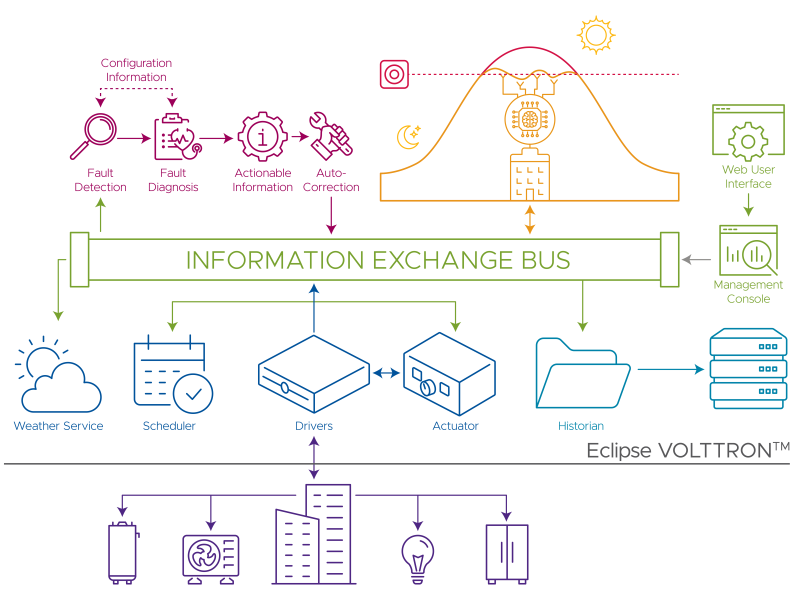
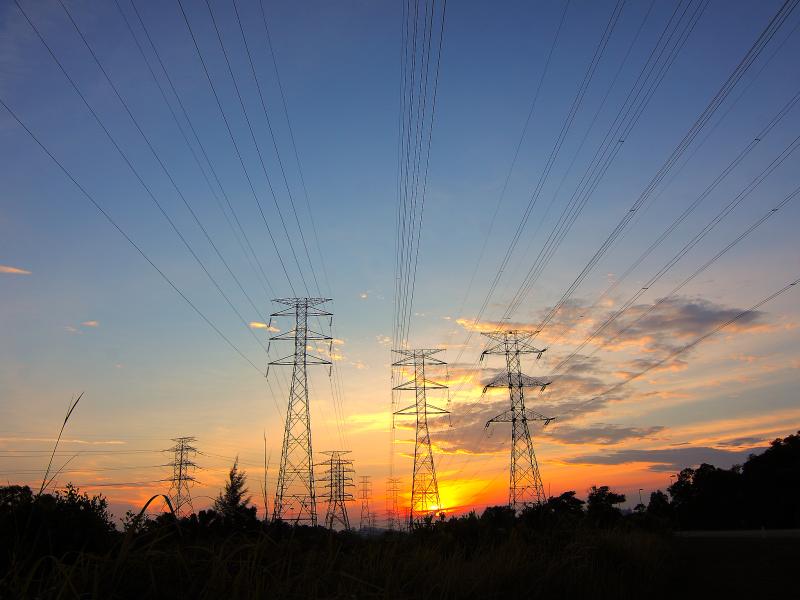
PNNL’s extensive portfolio of buildings-grid research included three projects that helped answer some of the technical questions related to leveraging energy consumption in buildings to enhance grid operations.
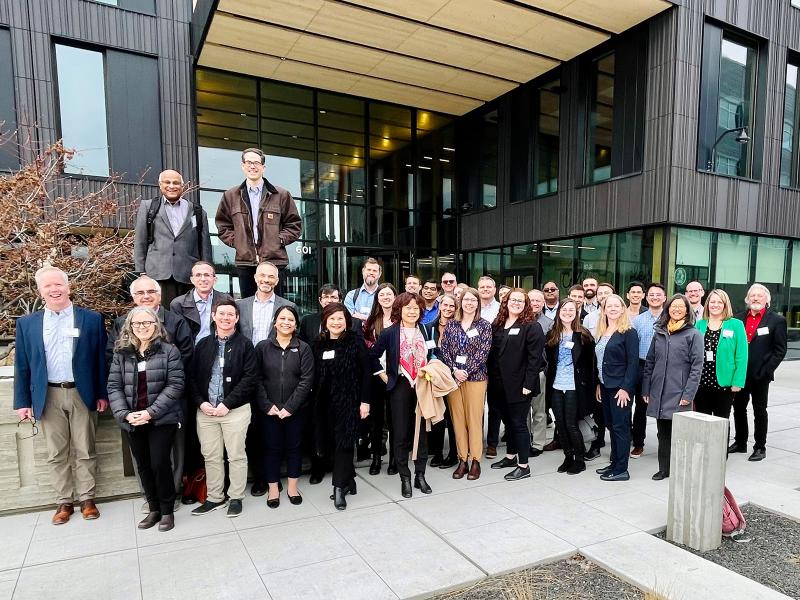
The Northwest Connected Communities Summit brought together representatives of five Department of Energy-funded Connected Communities Projects to share ideas and discuss potential collaboration opportunities.
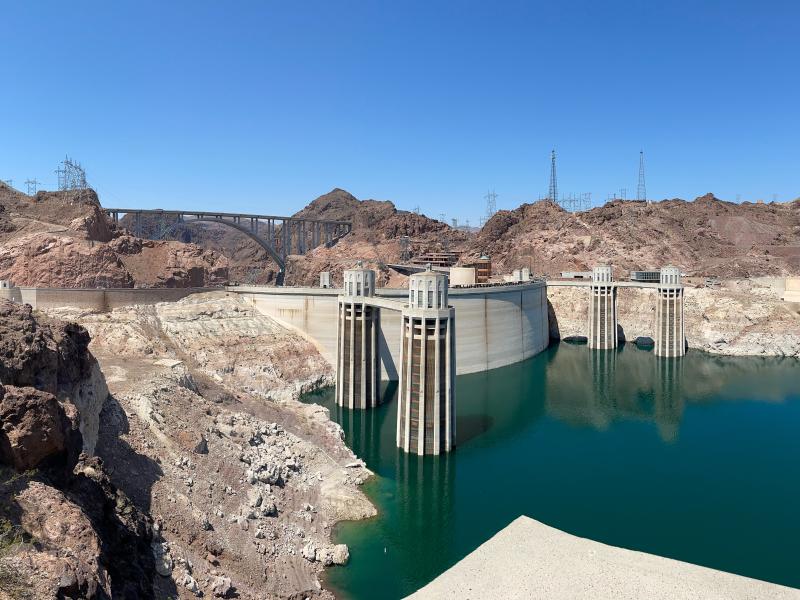
A scenario approach was used to explore the potential future role of hydropower around the globe considering the multisectoral dynamics of regional energy systems and basin-specific water resources.
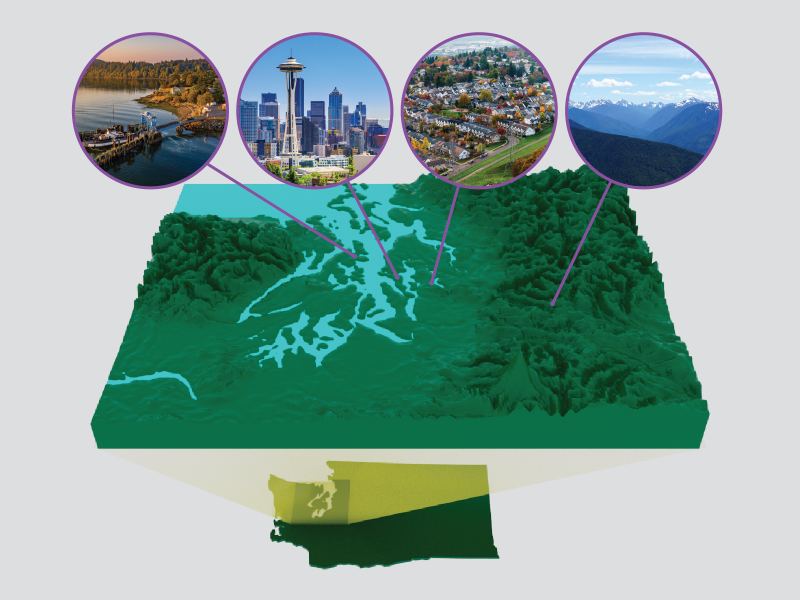
A new report, based on a community workshop and literature review, summarizes some of the biggest challenges in understanding and modeling Earth system and human–Earth system dynamics in the Puget Sound region of Washington State.
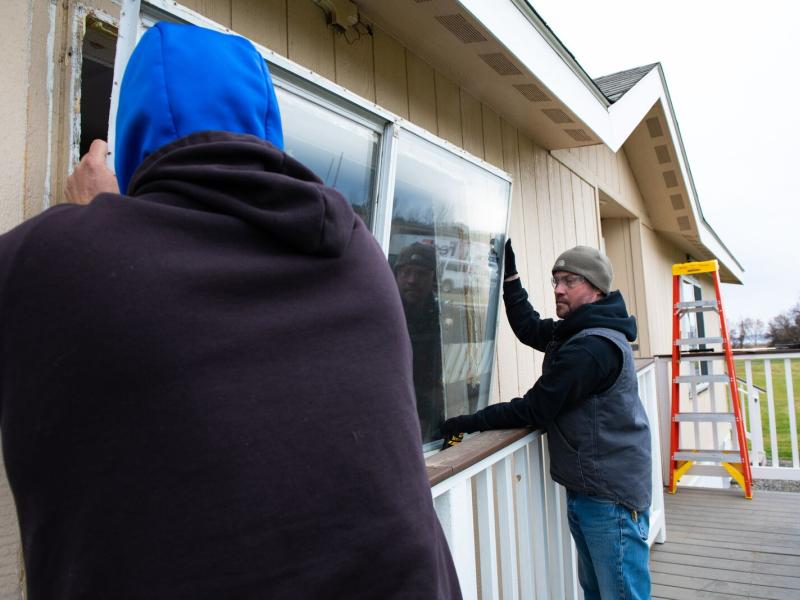
Staff at PNNL recently completed a report highlighting commercial products enabled through projects funded by the Department of Energy’s Building Technologies Office.
A systematic, multiple scenario approach was used to analyze the compounding impacts of demands for land for biofuels with increased land scarcity under a diverse set of uncertainties.