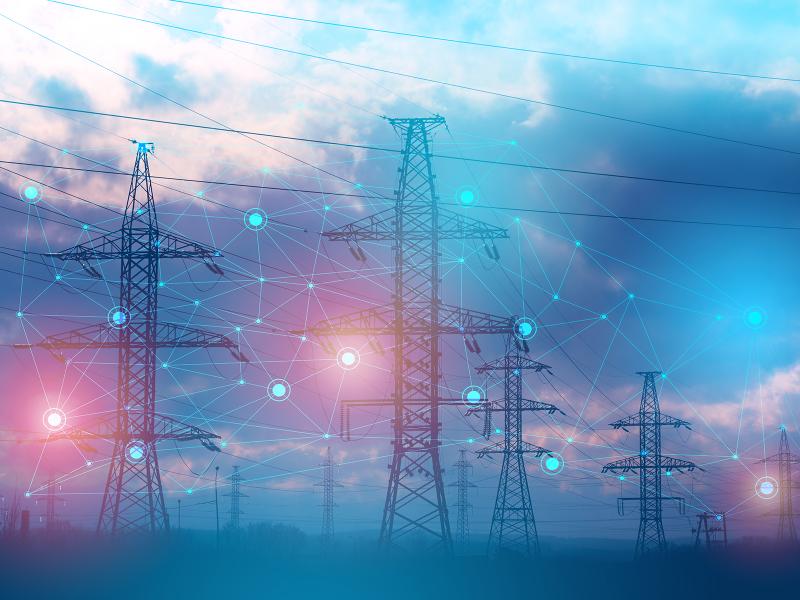
PNNL’s Chris Chini has been named a guest editor of Environmental Research: Infrastructure and Sustainability’s special issue examining energy infrastructure vulnerabilities from physical and natural threats.
A 19-person, multi-institutional national laboratory team received the inaugural Gordon Bell Prize for Climate Modeling from the Association for Computing Machinery for their work on more accurately modeling deep convective clouds.
At the GovAI Summit 2023, Ryan Eddy joined the Department of Homeland Security Science and Technology Directorate on a panel highlighting artificial intelligence impacts and opportunities in the field of emergency management.
Claudia Tebaldi, a PNNL Earth scientist, has been named a Fellow of the American Geophysical Union. Tebaldi and others will be recognized at AGU23 in December.
Earth Scientist Mingxuan Wu was recognized with an Outstanding Contribution Award for his work on nitrate aerosol modeling in the Energy Exascale Earth System Model.
At the Nonproliferation, Counterproliferation, and Disarmament Science Gordon Research Conference, researchers from PNNL shared research and scientific approaches for countering diverse threats.
Four PNNL researchers received highly competitive DOE Early Career Research Program awards, providing five continuous years of funding for their projects.
Team brought experience in nuclear waste forms and regulatory policies to the Federally Funded Research and Development Center’s report, which was reviewed by a National Academies’ committee.
Ann Lesperance has been invited to continue her role on the Domestic Preparedness advisory board, which convenes multidisciplinary subject matter experts to support the Domestic Preparedness Journal's editorial plan.
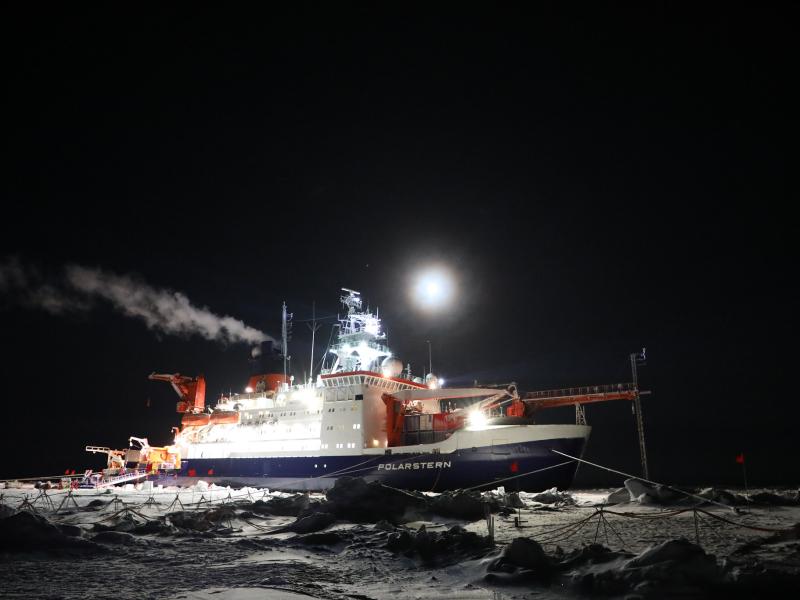
Hailong Wang is a non-federal co-lead for the Arctic Systems Interactions Collaboration Team that will explore the Arctic’s dynamic interconnected systems.