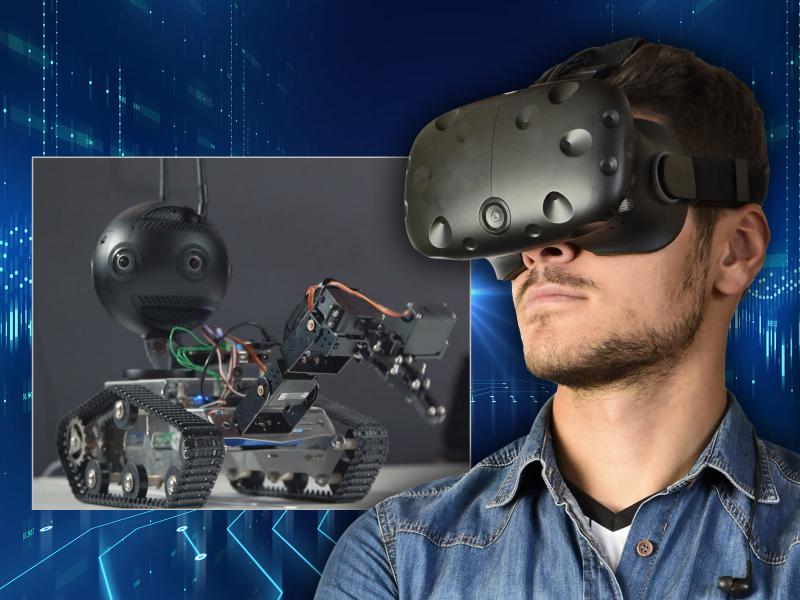
One year ago, Verizon announced a partnership that made PNNL the U.S. Department of Energy’s first national laboratory with Verizon 5G ultra-wideband wireless technology.
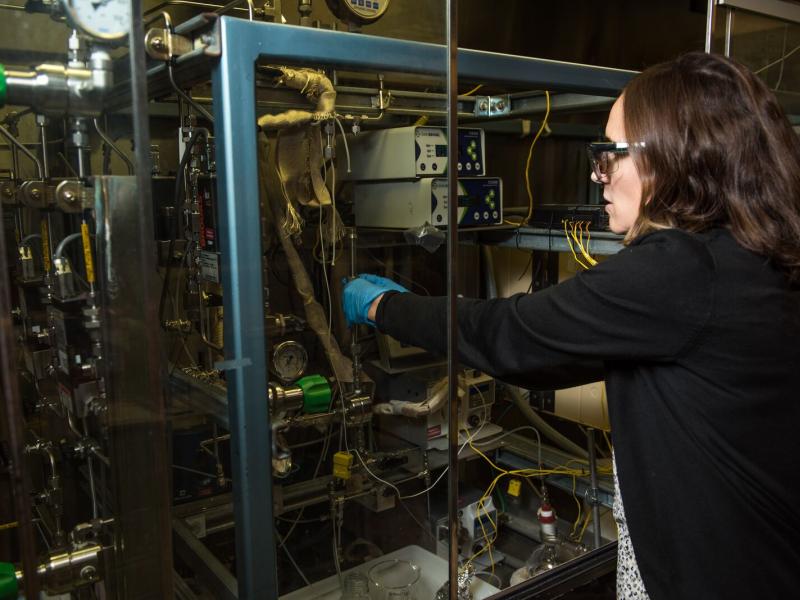
PNNL teamed with academia and industry to develop a novel zero-emission methane pyrolysis process that produces both hydrogen and high-value carbon solids suitable for an array of manufacturing applications.
New facility that will accelerate energy storage innovation and make the nation’s power grid more resilient, secure and flexible has been given the green light to proceed by the U.S. Department of Energy.
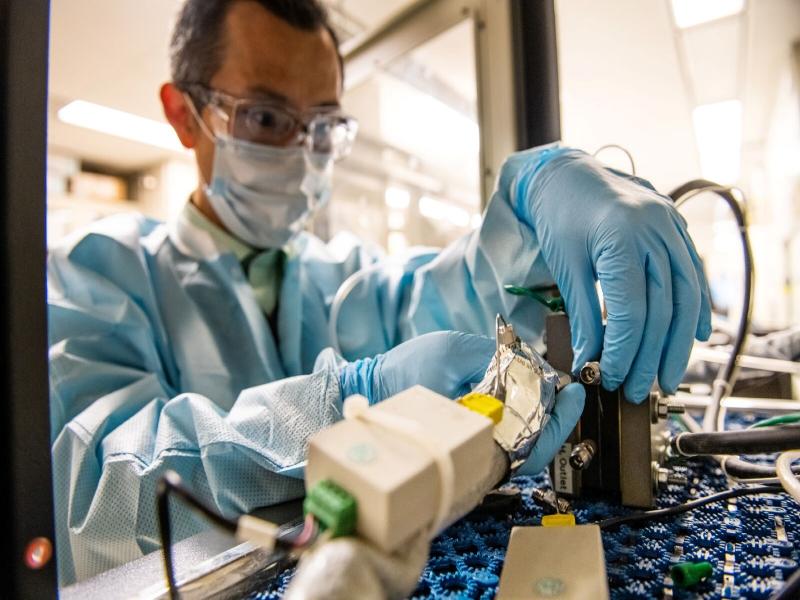
PNNL led a multi-institutional effort to design a highly active and more durable catalyst made from cobalt, which sets the foundation for fuel cells to power transportation, stationary and backup power, and more.
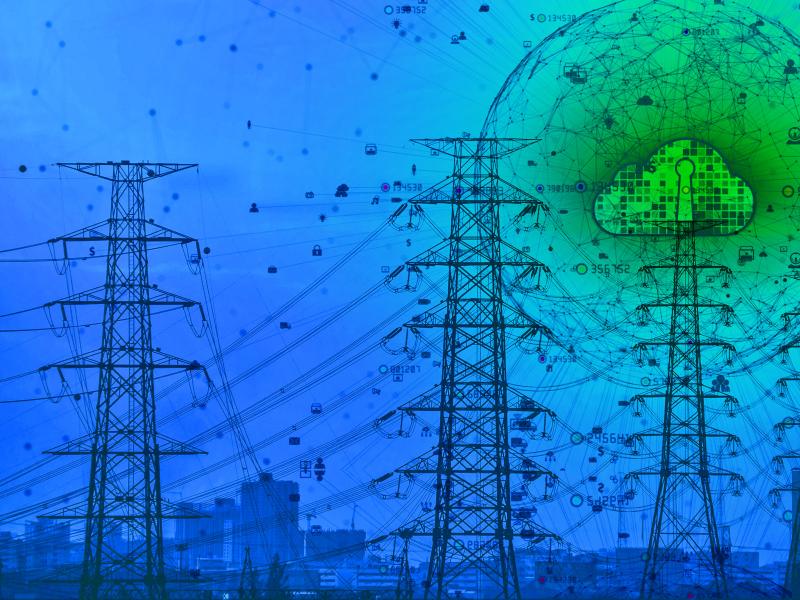
PNNL researchers established an Internet of Things Common Operating Environment (IoTCOE) laboratory to explore the risks associated with IoT connectivity to the internet, the energy grid and other critical infrastructures.
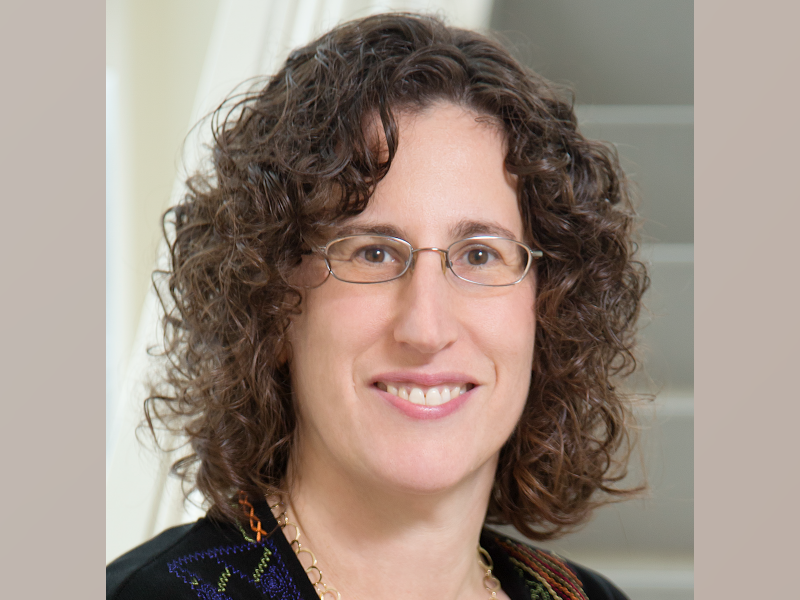
Sharon Hammes-Schiffer, deputy director of the Center for Molecular Electrocatalysis (CME), has received awards from both the Royal Society of Chemistry and the American Chemical Society.
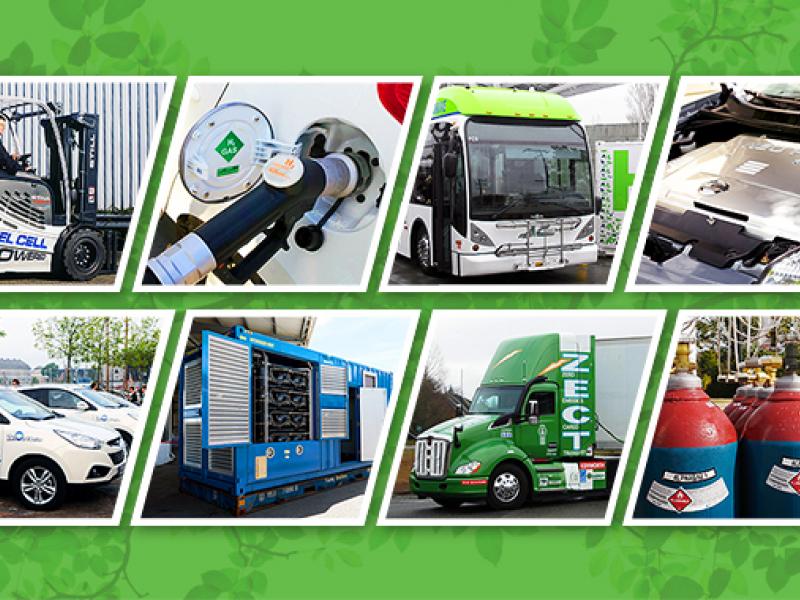
Researchers at the Department of Energy’s Pacific Northwest National Laboratory and Sandia National Laboratories have joined forces to reduce costs and improve the reliability of hydrogen fueling stations.