The Hanford Site is now immobilizing radioactive waste in glass: a process known as vitrification. PNNL contributed 60 years of materials science expertise—and is providing operational support—to help the nation meet this cleanup milestone.
PNNL researchers continue to deliver high-quality, high-impact research on radioactive waste and nuclear materials management, earning “Papers of Note” and “Superior Paper” awards.
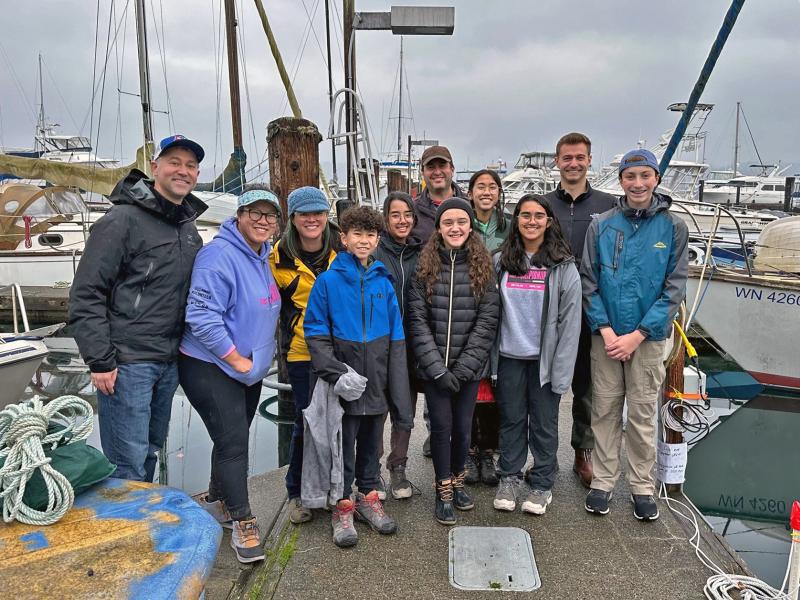
Researchers at PNNL advised elementary and middle school student teams with their problem-solving research for the FIRST® LEGO® League robotics competitions.
PNNL’s Matt Paiss heads NFPA 800, shaping a unified battery safety code for hazards from production to disposal with the aim of safeguarding communities and guiding safe practices worldwide.
A new digital twin platform can help hydropower dam operators by providing accurate and predictive models of physical turbines that improve facilities and enhance reliability.
PNNL researchers earned five Papers of Note, 17 Superior Papers, and one poster award for their environmental remediation, radioactive waste, and nuclear energy-related presentations.
The Grid Storage Launchpad dedication event was attended by leaders in grid and transportation energy storage, battery innovation, and industry stakeholders working to transform America’s energy system.
Although climate change may bring increased precipitation to many parts of the United States, some areas may face drier conditions and lower streamflow, resulting in decreased hydropower generation.
Erich Hsieh, Deputy Assistant Secretary for OE’s Energy Storage Division, shared insights about the Grid Storage Launchpad and energy storage innovations .
The first-of-its kind vessel will allow researchers to transport large equipment and take measurements in near-silence with reduced impact on wildlife.
Frederick Day-Lewis, Lab Fellow and chief geophysicist at PNNL, was named the 2024 recipient of the Geological Society of America Public Service Award.
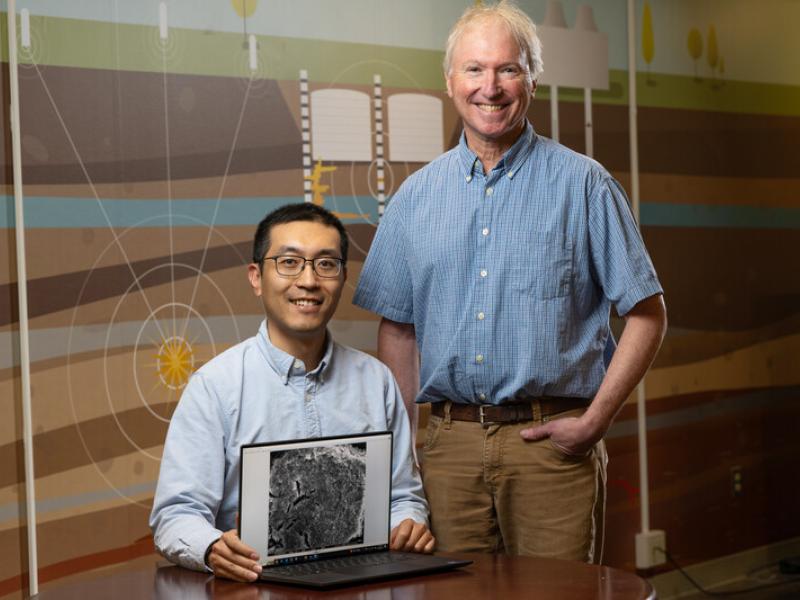
A PNNL Deep Vadose Zone Program publication that shows ferrihydrite helps protect groundwater is featured on the cover of ACS Earth and Space Chemistry.
Policy changes in power, energy, buildings, and more could help slow global temperature rise, according to a new report with co-authors from PNNL’s Joint Global Change Research Institute.
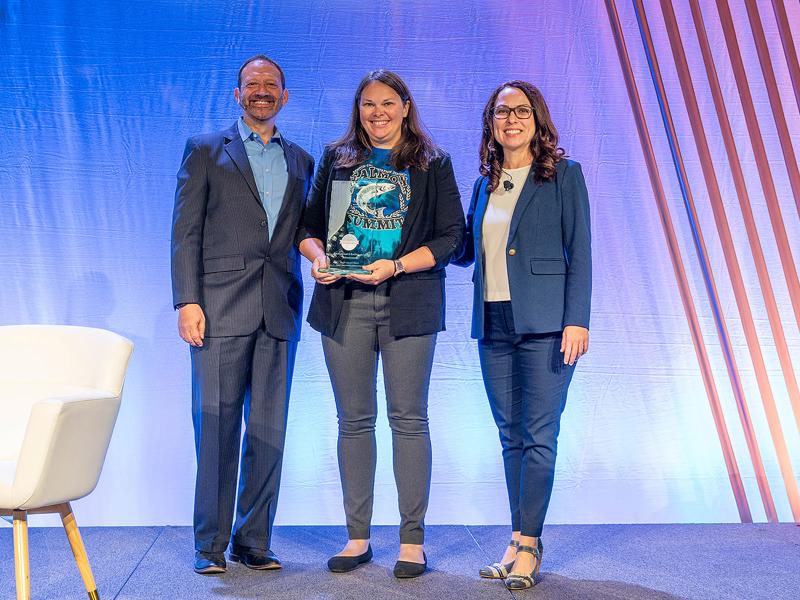
Data scientist at PNNL receives the Environmental and Engineering Geophysical Society and Geonics Limited Early Career Award for work with geophysical modeling and subsurface inversion codes.