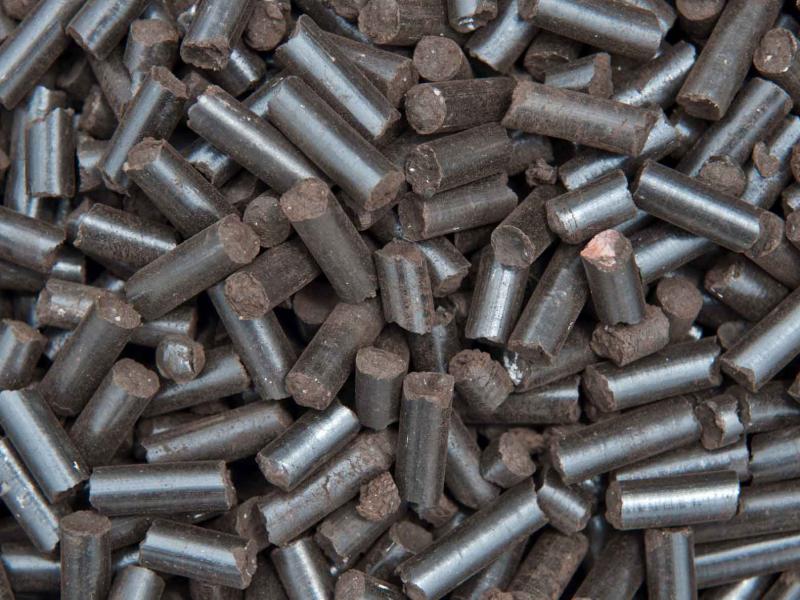
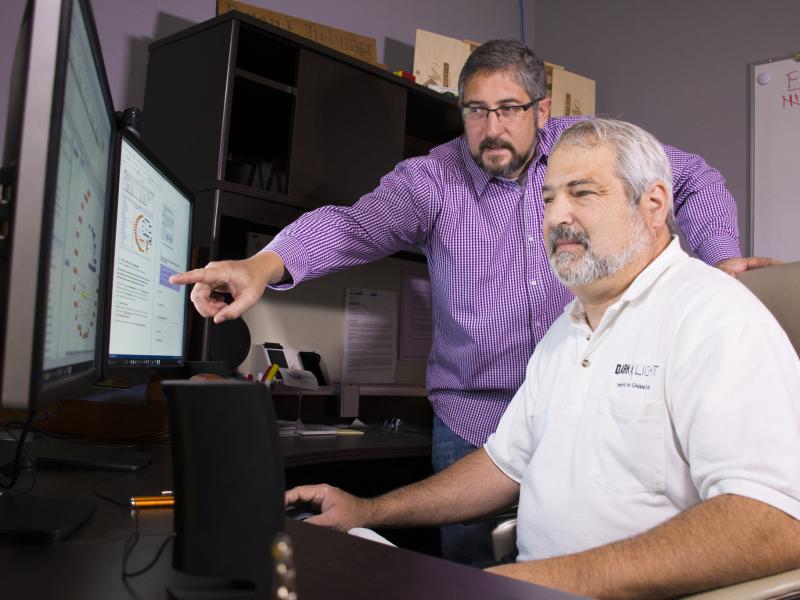
PNNL is collaborating with three small businesses to address technical challenges concerning hydrogen for fuel cell cars, bio-coal and nanomaterial manufacturing.
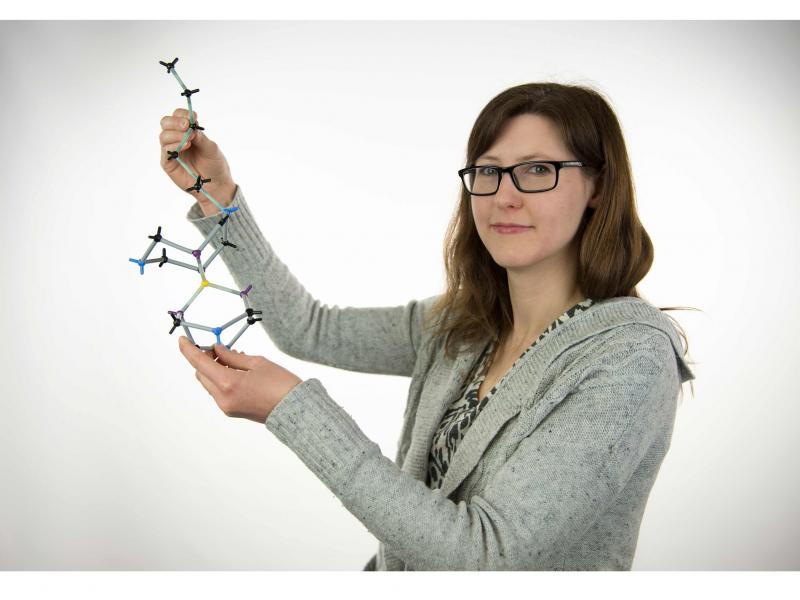
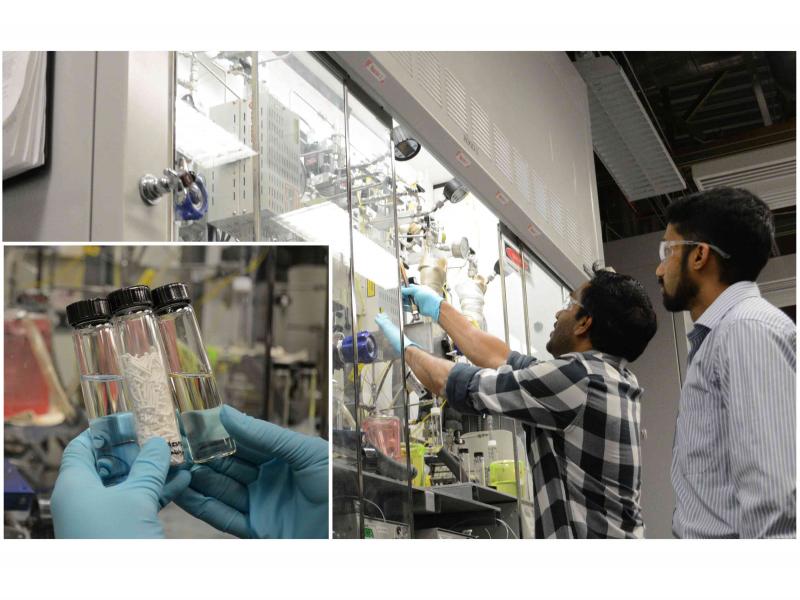
PNNL scientists have developed a system to convert methane into an energy-rich substance that can be used as the basis for biofuels and even feed for cows that create the gas in the first place.
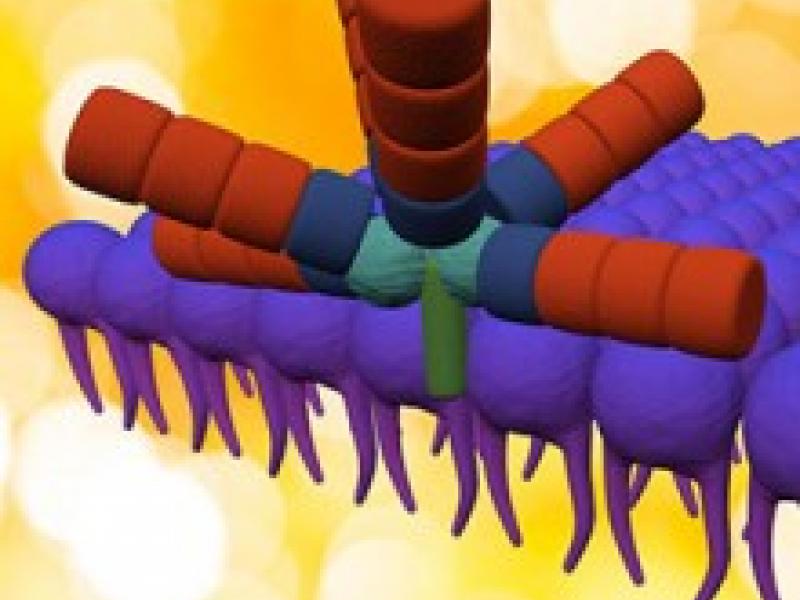
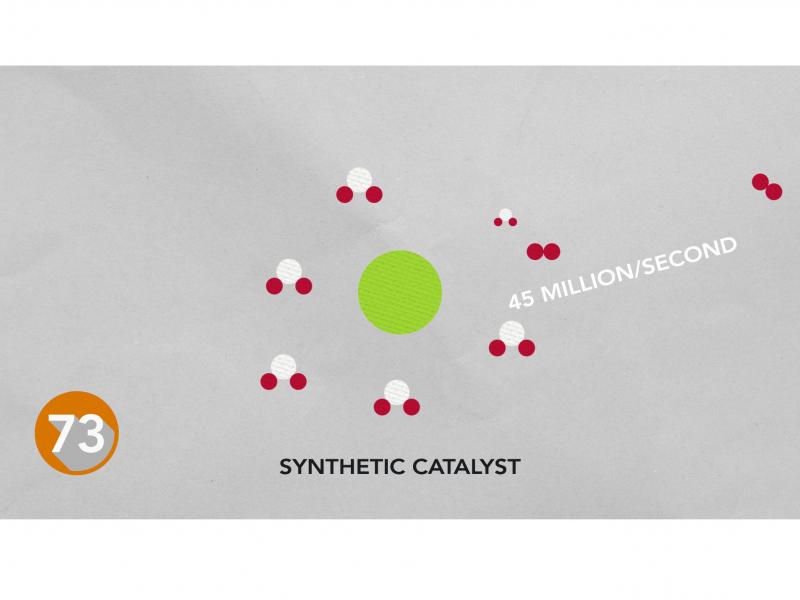
Using a natural catalyst from bacteria for inspiration, researchers have now reported the fastest synthetic catalysts to date for hydrogen production-- producing 45 million hydrogen molecules per second.
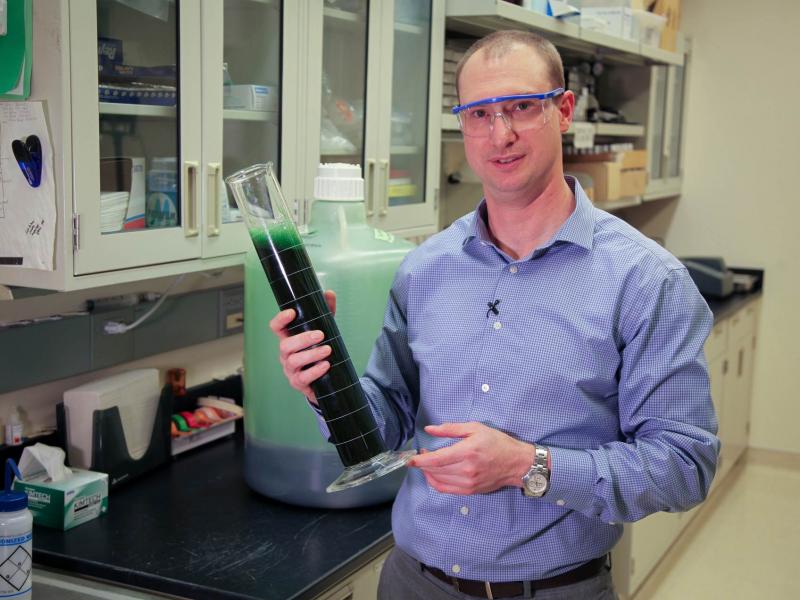
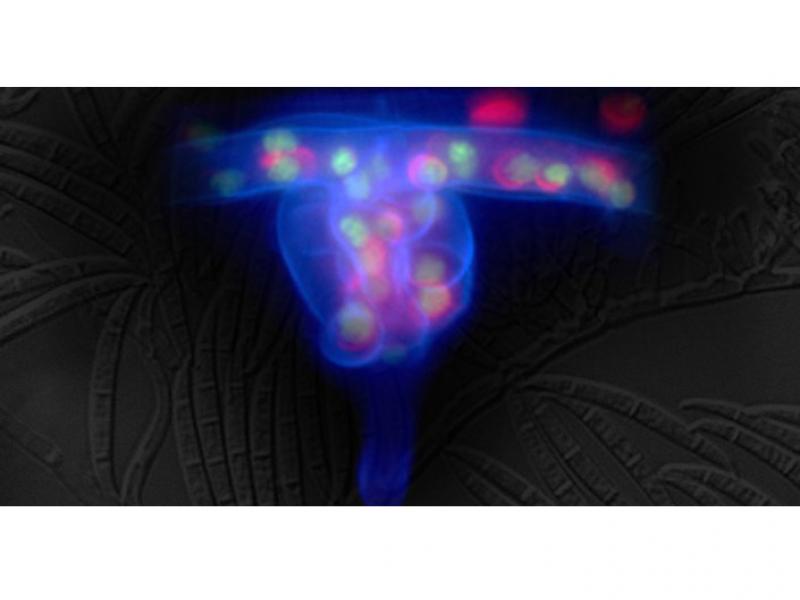
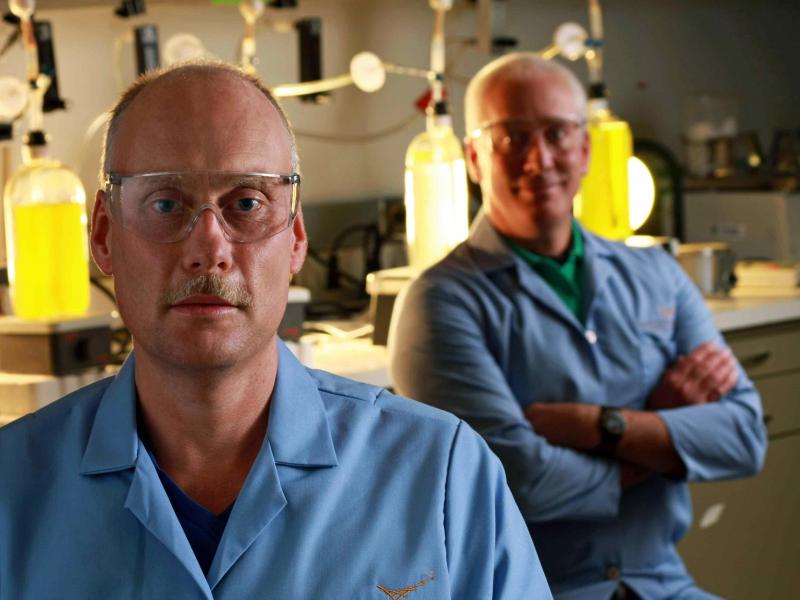
PNNL is leading a new, approximately $6 million project to develop a new streamlined process to quickly pare down heaps of algae species into just a few that hold the most promise for making biofuel.
Thanksgiving is a time for us to reflect on our many blessings, and being a part of the Department of Energy's Pacific Northwest National Laboratory is one for which I am especially grateful.
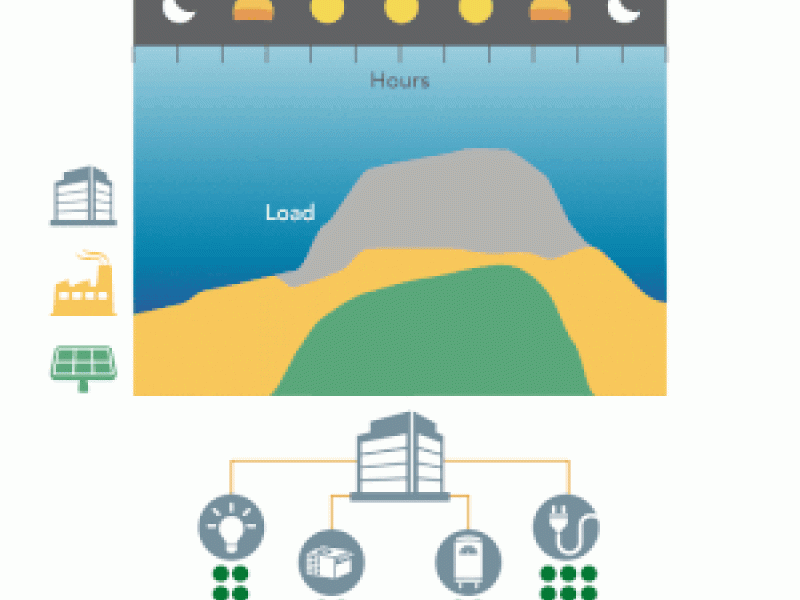
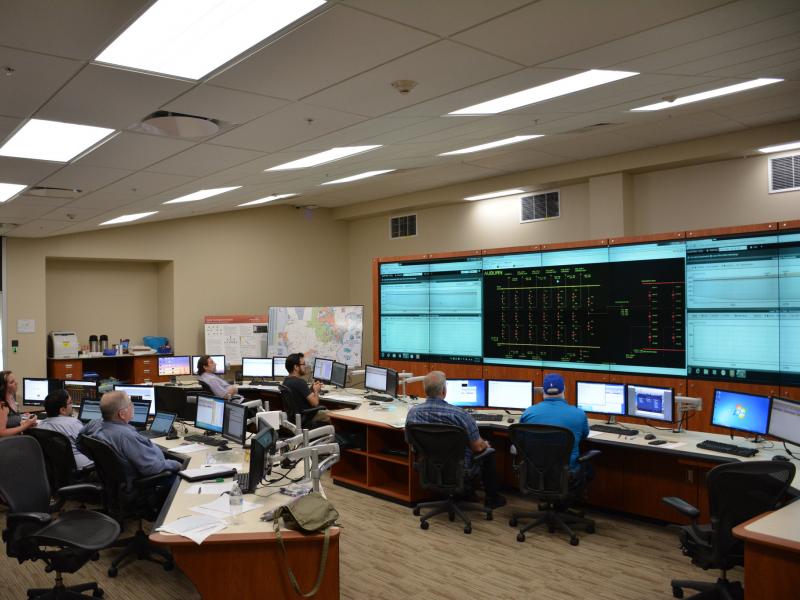
July in the Tri-Cities usually brings sunny skies, hot weather and high demand for electricity as many of us retreat to air-conditioned homes and offices.