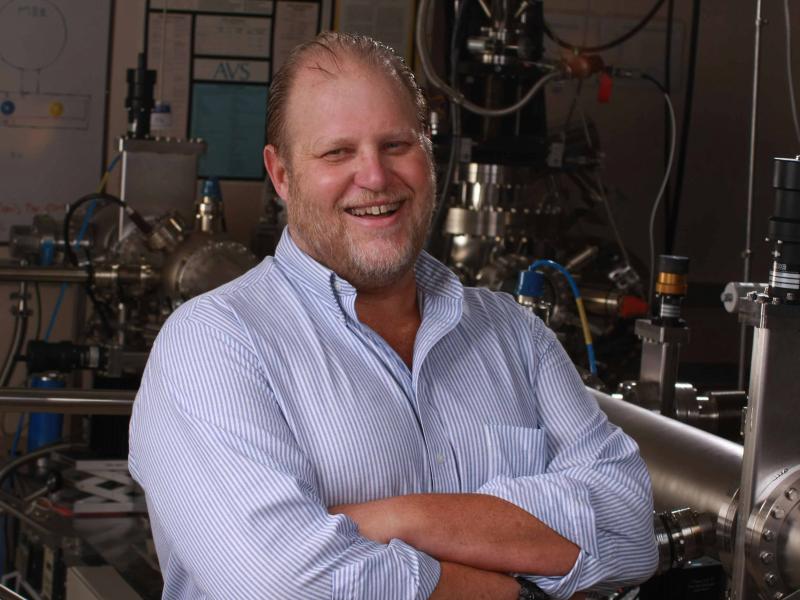
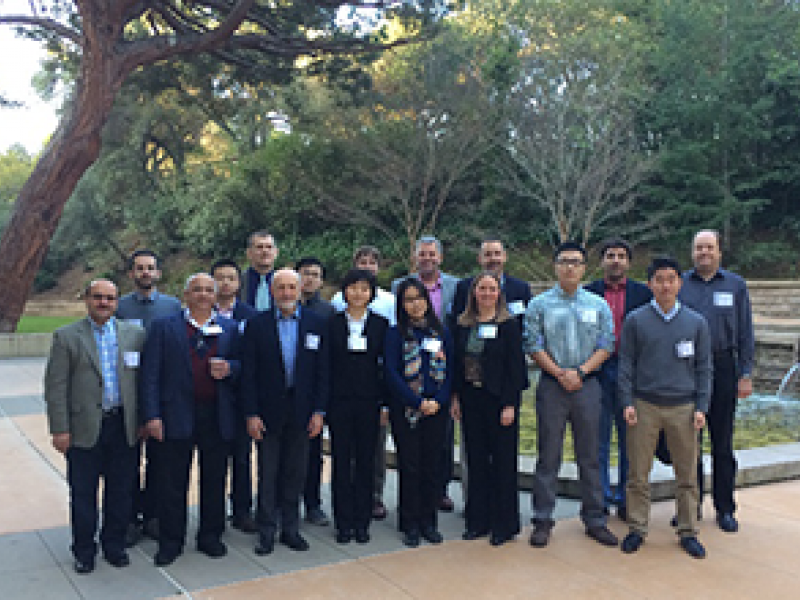
PNNL researcher Bruce Kay has been elected to membership in the Washington State Academy of sciences and three other staff members have been elected to positions on the WSAS board of directors.
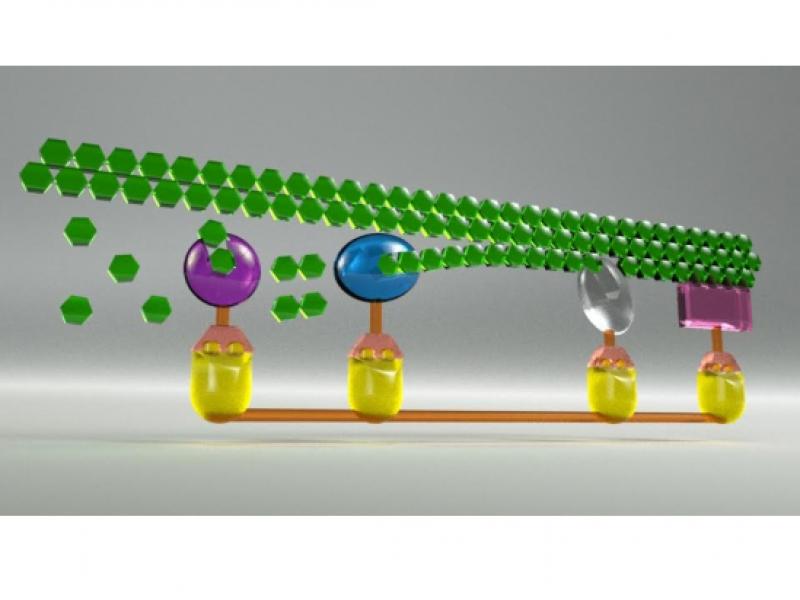
Scientists are taking their cues from fungi in the digestive tracts of cows, goats and sheep in the search for new ways to create sustainable fuels and medicines.
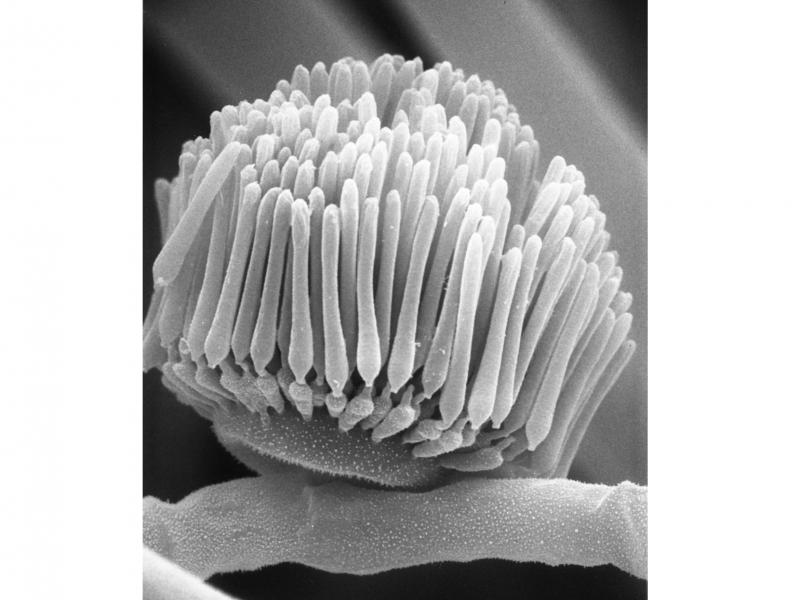
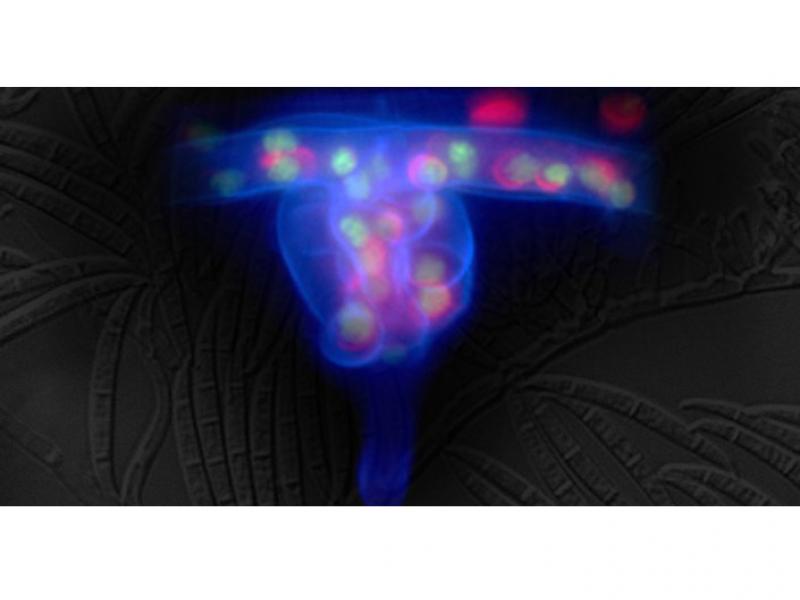
A genetic modification in fungi is more common than has been thought, offering scientists a new tool as they explore the use of fungi to convert biomass to fuels, chemicals and enzymes.
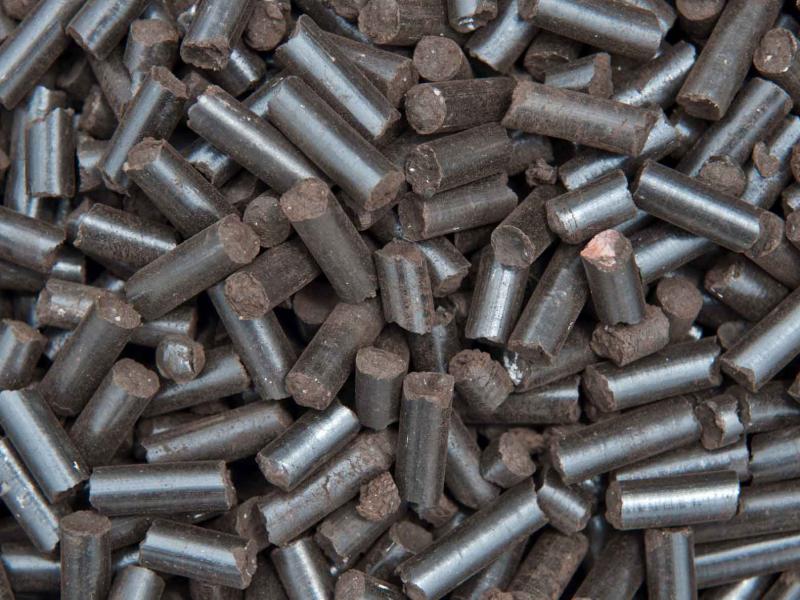
PNNL is collaborating with three small businesses to address technical challenges concerning hydrogen for fuel cell cars, bio-coal and nanomaterial manufacturing.
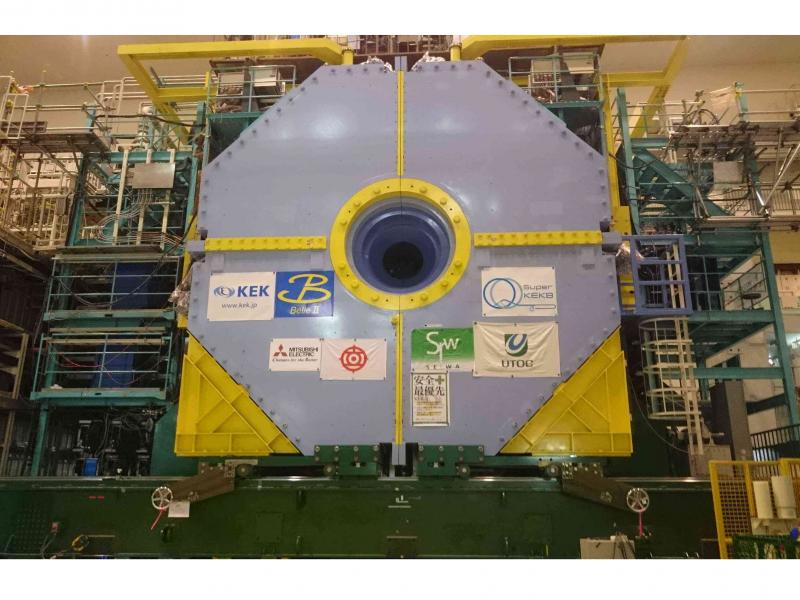
To study some of the tiniest particles in the universe, an international band of physicists is building a massive instrument to look for signs of particles predicted to be fundamental to the workings of the universe.
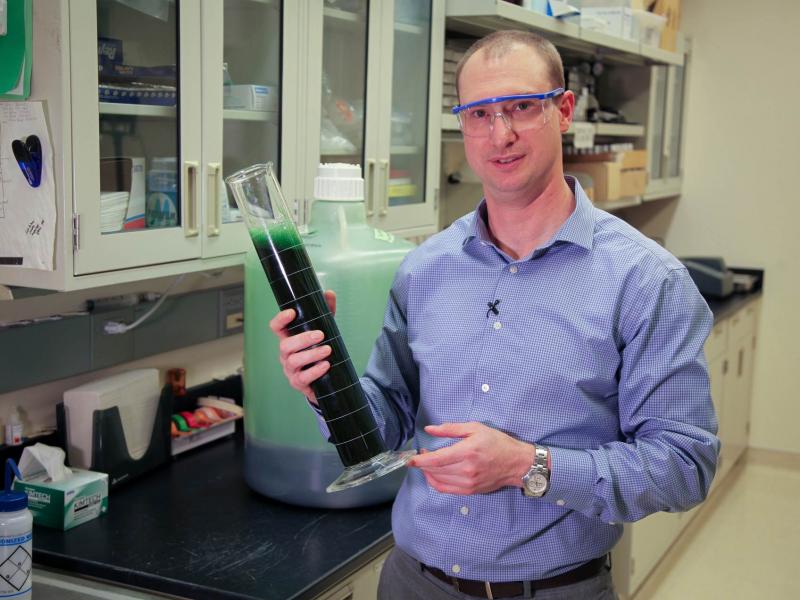
PNNL scientists have developed a system to convert methane into an energy-rich substance that can be used as the basis for biofuels and even feed for cows that create the gas in the first place.
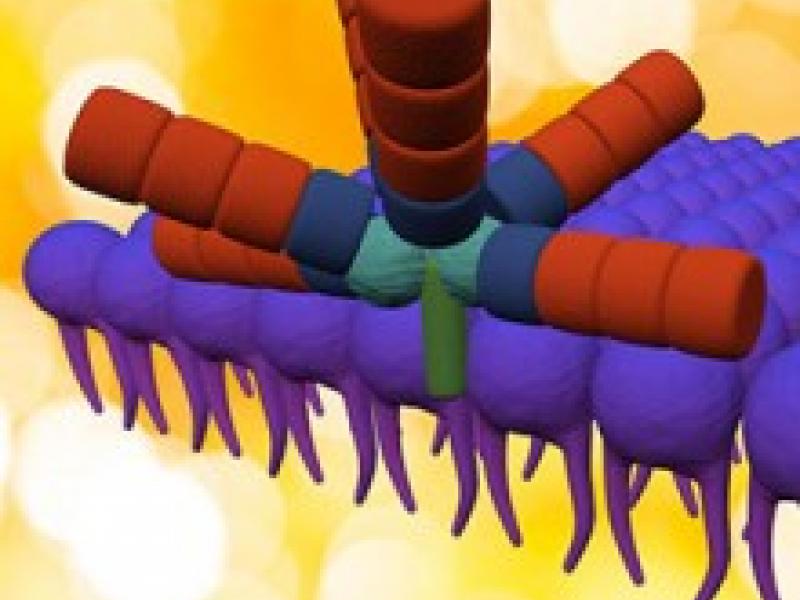
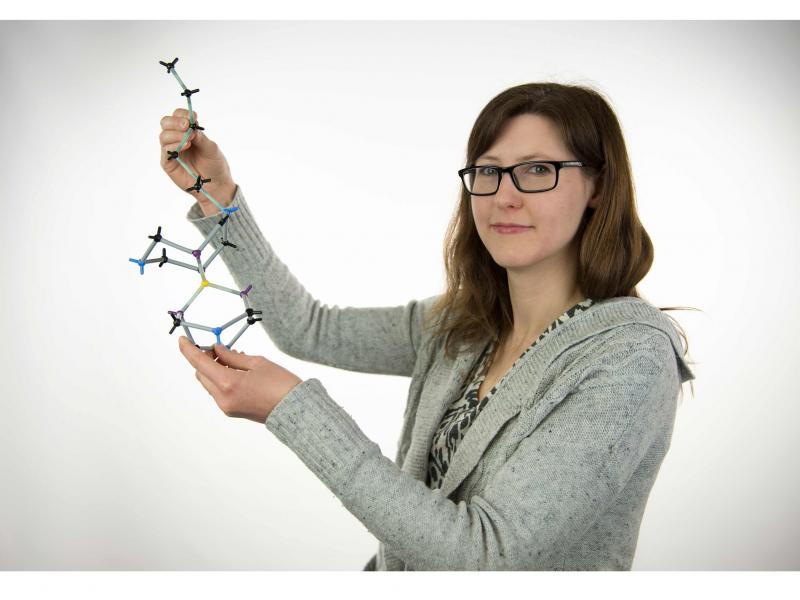
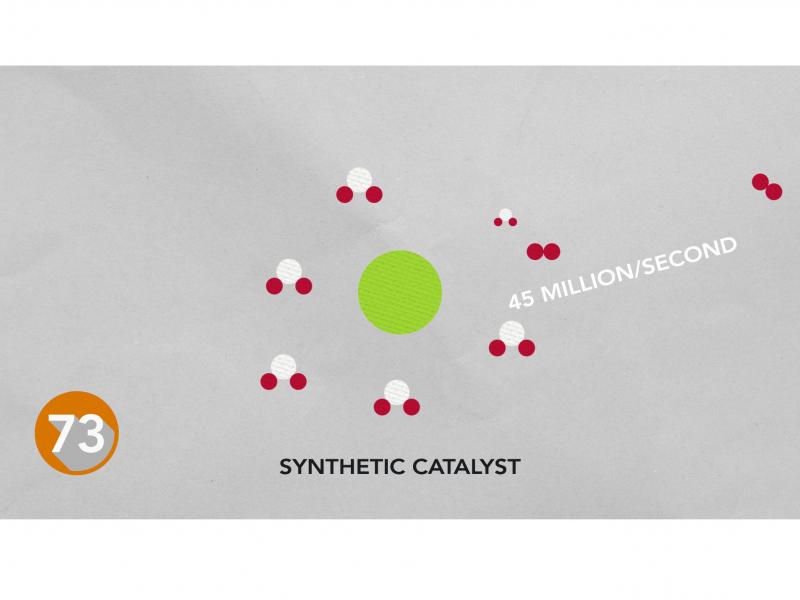
Using a natural catalyst from bacteria for inspiration, researchers have now reported the fastest synthetic catalysts to date for hydrogen production-- producing 45 million hydrogen molecules per second.