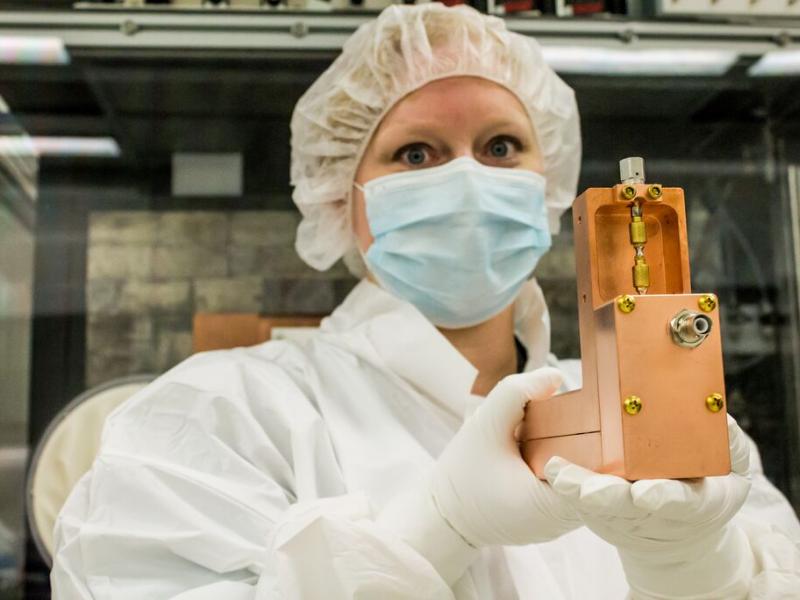
Ang participated in a White House-hosted CHIPS R&D event and roundtable discussion with senior leaders from industry, academia and key government agencies.
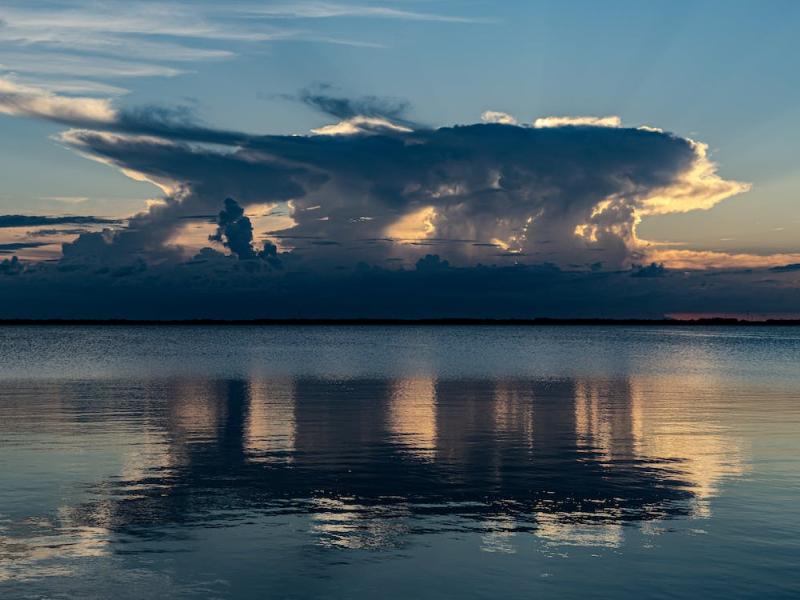
A 19-person, multi-institutional national laboratory team received the inaugural Gordon Bell Prize for Climate Modeling from the Association for Computing Machinery for their work on more accurately modeling deep convective clouds.
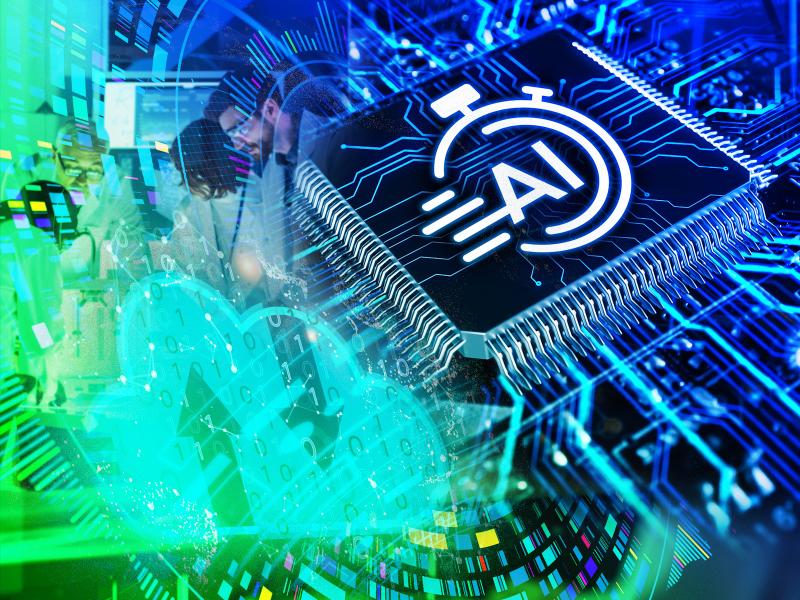
The convergence of artificial intelligence, cloud, and high-performance computing to accelerate scientific discovery is the focus of a multi-year collaboration between Microsoft and PNNL.
PNNL has created the Center for AI @PNNL to coordinate the pioneering research of hundreds of scientists working on a range of projects in artificial intelligence.
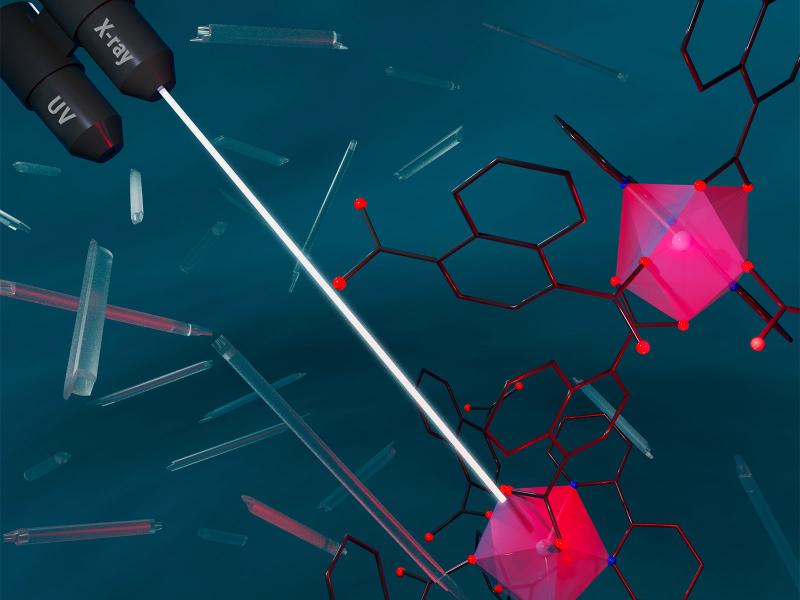
Making it on CrystEngComm’s HOT list, the article, “Designing scintillating coordination polymers using a dual-ligand synthetic approach,” highlights research on existing materials that are non-traditional scintillators.
Ripples demonstration will take place at the DOE booth at the International Conference for High Performance Computing, Networking, Storage, and Analysis.
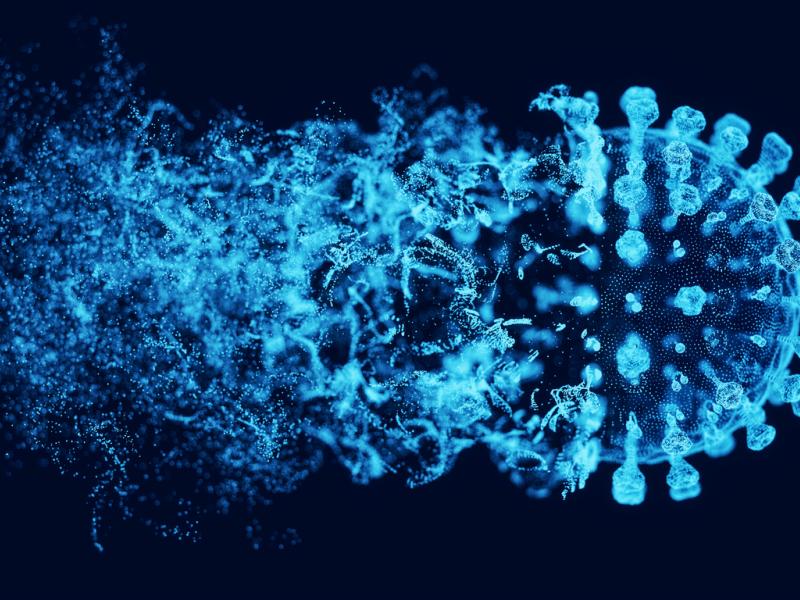
Scientists at PNNL were awarded nearly $12 million to better understand pathogens, how they spread, and how to prepare the nation against future outbreaks.
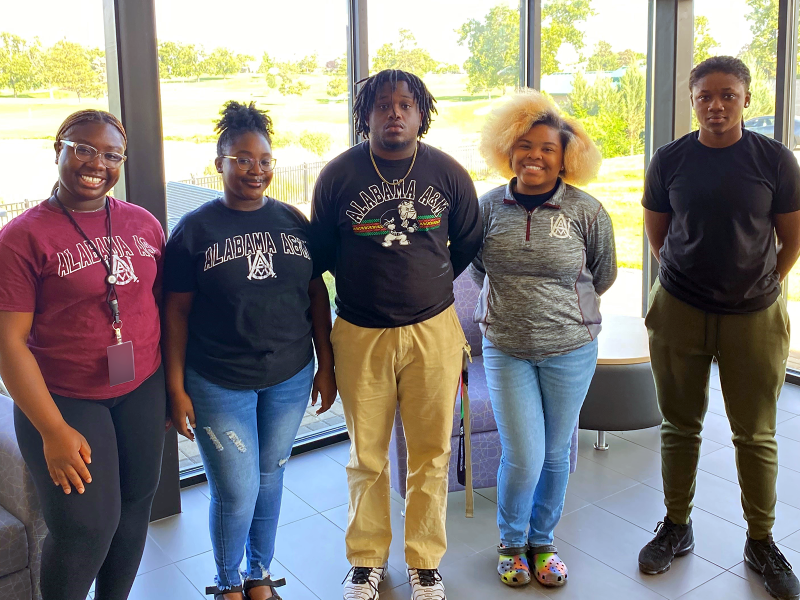
Germany Harris, Dewayne Maye, Sarah Olocha, Shaniya Pettway, and Rayonna Redmon became the first interns of the Minority Serving Institution Partnership Program Partnership for Radiation Studies Consortium at PNNL.
Katalenich was selected to attend the Grainger Foundation Frontiers of Engineering 2023 Symposium—an honor given to only 100 early-career engineers annually.
Physicist Emily Mace will share her science journey and an interactive presentation about her current research with middle school and high school students from across the country at the National Science Bowl.