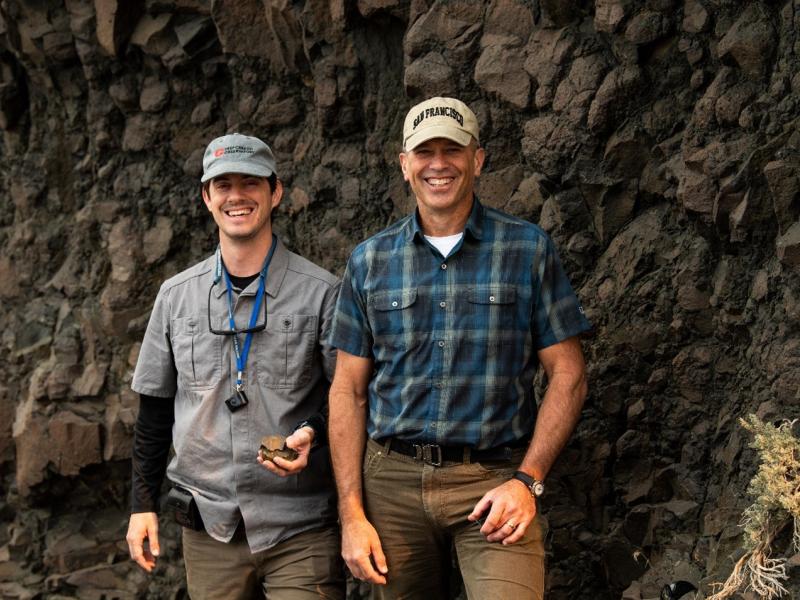
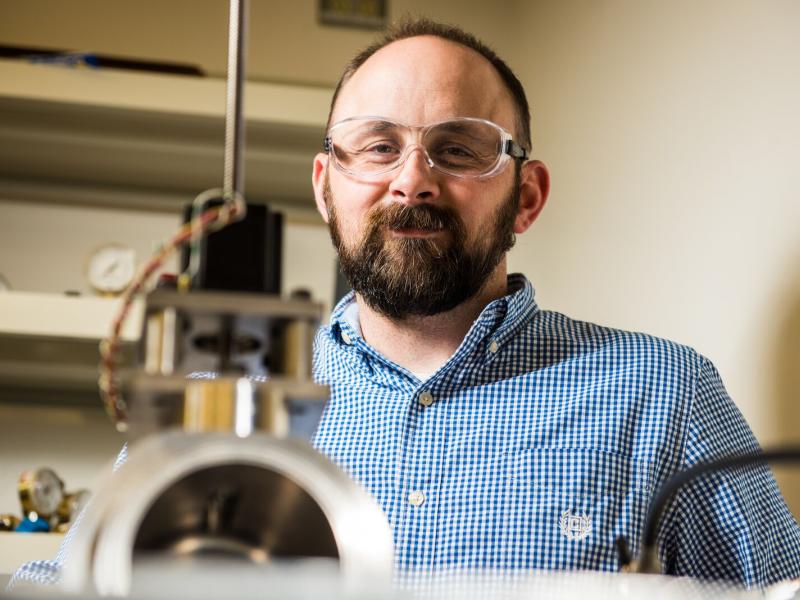
A decade after working as a post-bachelor’s researcher at PNNL, chemist Quin Miller is helping develop the workforce for the critical minerals-focused mines of the future.
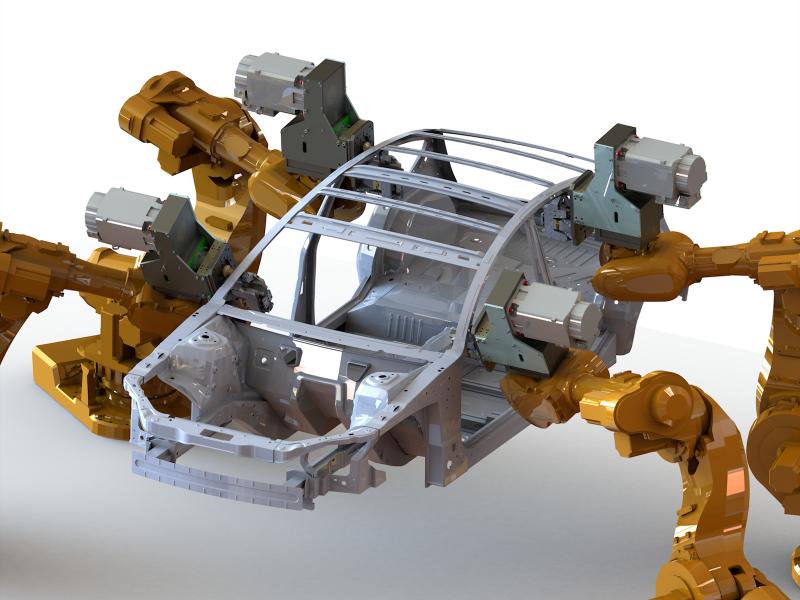
A breakthrough at PNNL could free friction stir from current constraints—and open the door for increased use of the advanced manufacturing technique on commercial assembly lines.
This summer, PNNL hosted the inaugural “As Conductive As Copper” (AC2.0) workshop, fostering a collaborative conversation on the future of the U.S. copper supply chain.
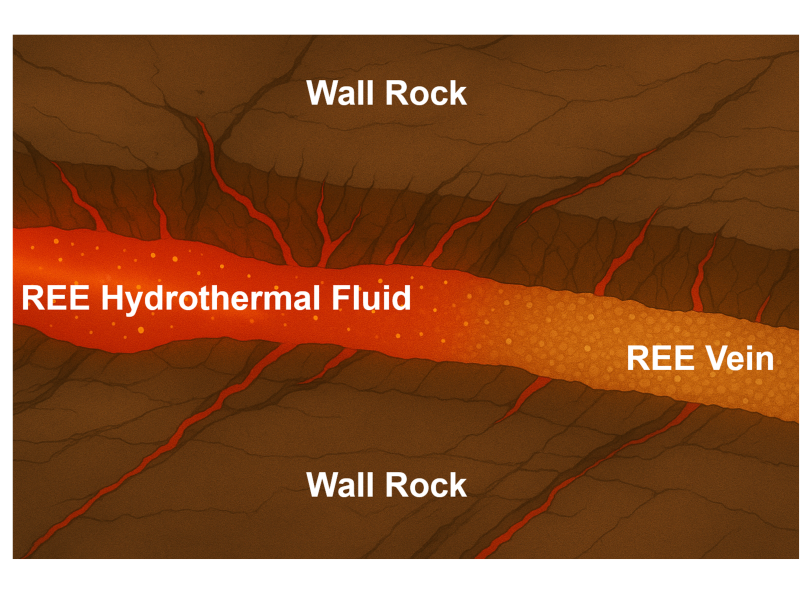
The first direct molecular-scale evidence of the temperature-driven transformation of the coordination environment of ytterbium at geologically relevant conditions.
PNNL researchers continue to deliver high-quality, high-impact research on radioactive waste and nuclear materials management, earning “Papers of Note” and “Superior Paper” awards.
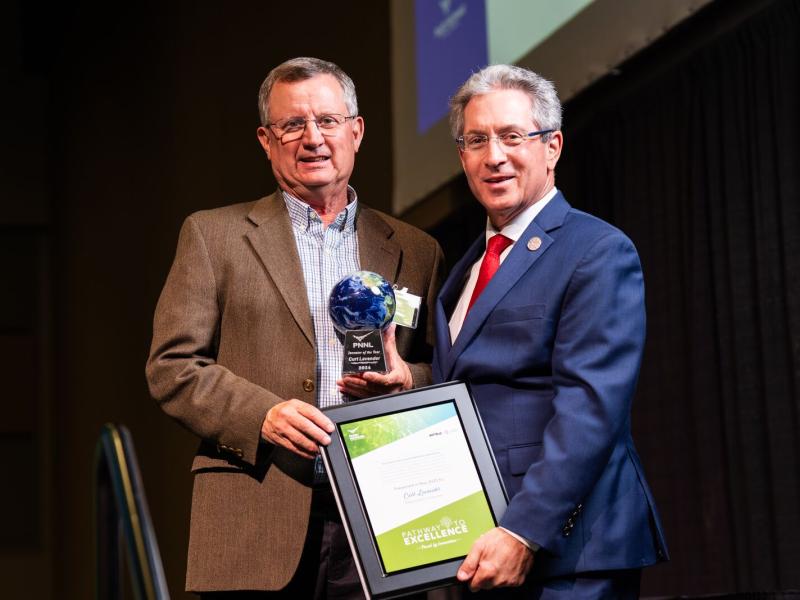
From vehicles and airplanes to solid-phase processing of metals—how Curt Lavender and his team at PNNL solve industry problems with practical ingenuity.
Shear Assisted Processing and Extrusion (ShAPE) imparts significantly more deformation compared to conventional extrusion. The latest ShAPE system at PNNL, ShAPEshifter, is a purpose-built machine designed for maximum configurability.
Two new publications provide emergency response agencies with critical insights into commercially available unmanned ground vehicles used for hazardous materials response.
Jonathan Barr, senior systems engineer at PNNL, was recently invited to co-present on a panel at the Texas Department of Emergency Management Annual Conference.
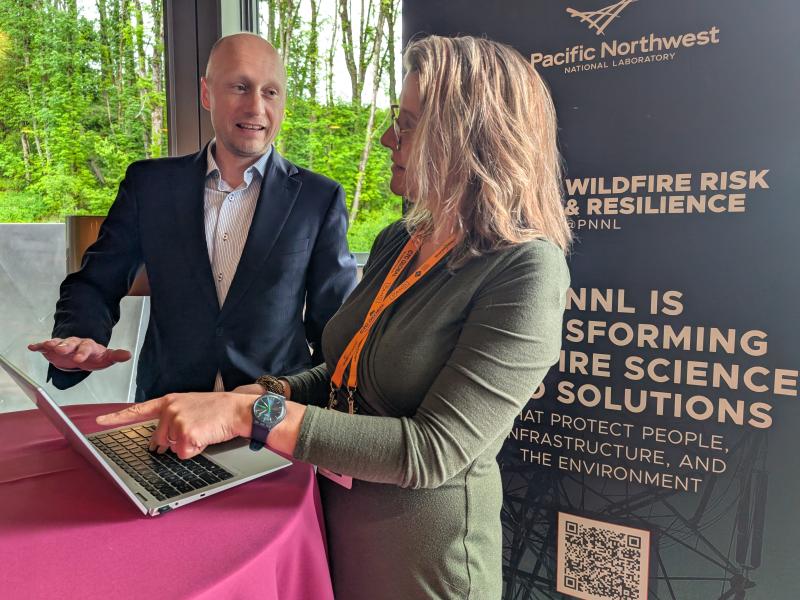
The Wildfire Mitigation Plan Database was built to support electric utilities, state governments, policymakers, and regulators in understanding and improving wildfire risk and resilience strategies.
By combining computational modeling with experimental research, scientists identified a promising composition that reduces the need for a critical material in an alloy that can withstand extreme environments.
Led by interns from multiple DOE programs, a newly expanded dataset allows researchers to use easy-to-obtain measurements to determine the elemental composition of a promising carbon storage mineral.
PNNL’s year in review includes highlights ranging from advancing soil science to understanding Earth systems, expanding electricity transmission, detecting fentanyl, and applying artificial intelligence to aid scientific discovery.