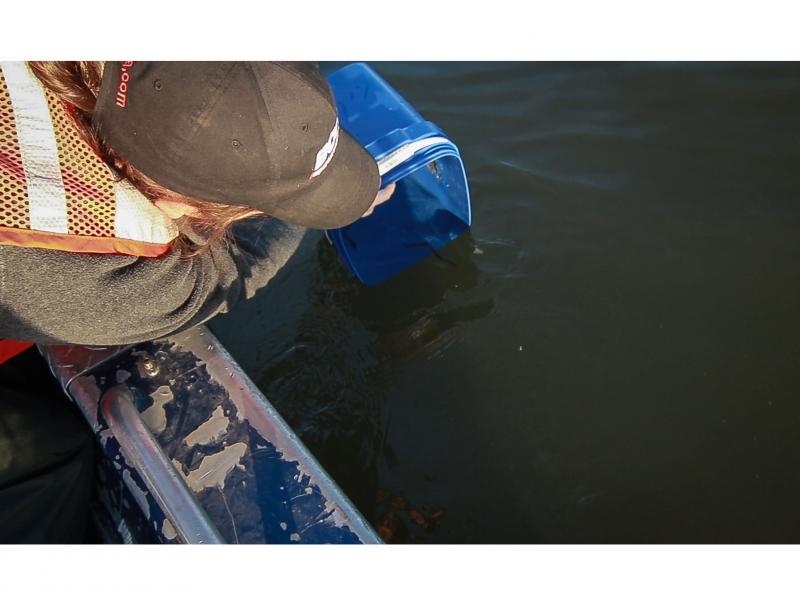
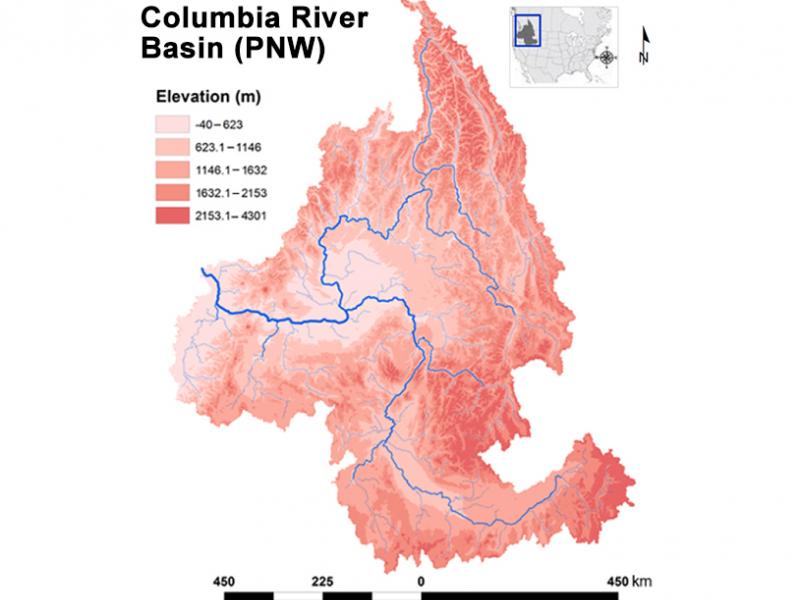
PNNL is studying the movement of lamprey fish, which are culturally and historically important to the Pacific Northwest, on rivers and through hydroelectric dams.
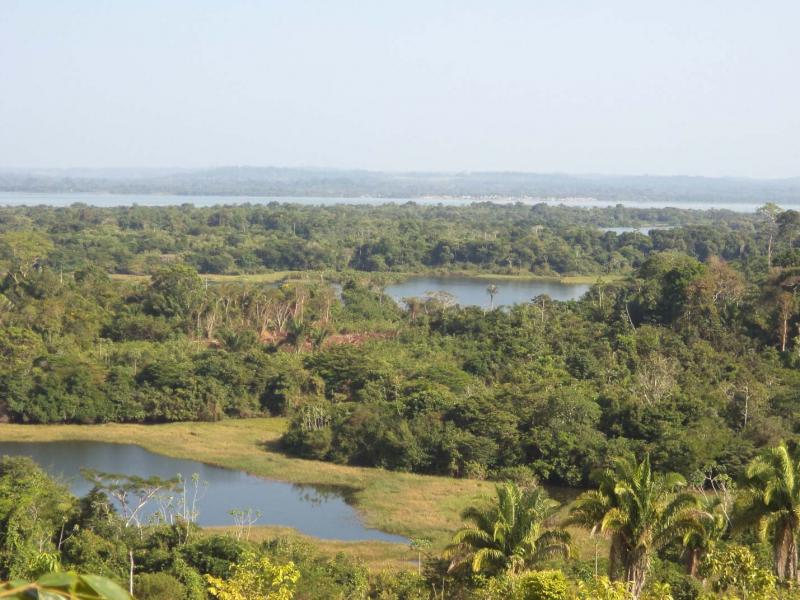
Emissions of isoprene, a compound from plant matter that wields great influence in the atmosphere, are up to three times higher in the Amazon rainforest than scientists have thought.
A genetic modification in fungi is more common than has been thought, offering scientists a new tool as they explore the use of fungi to convert biomass to fuels, chemicals and enzymes.
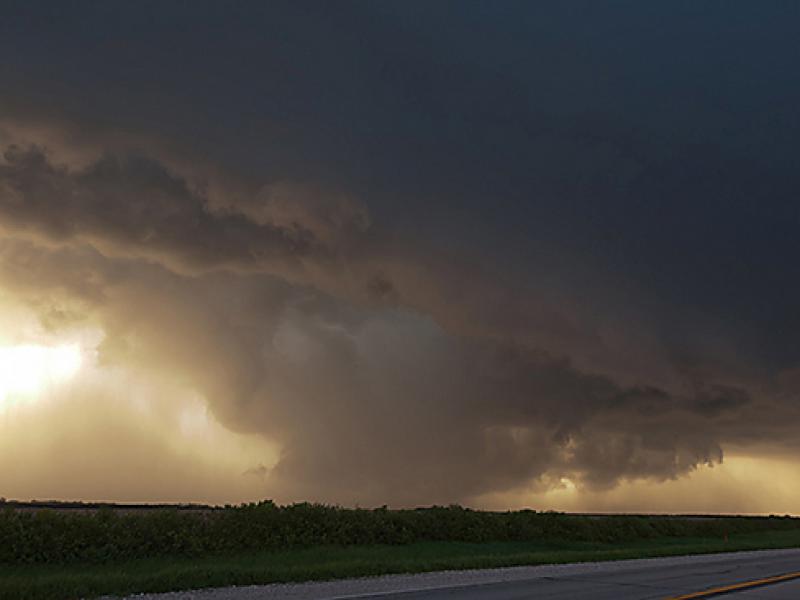
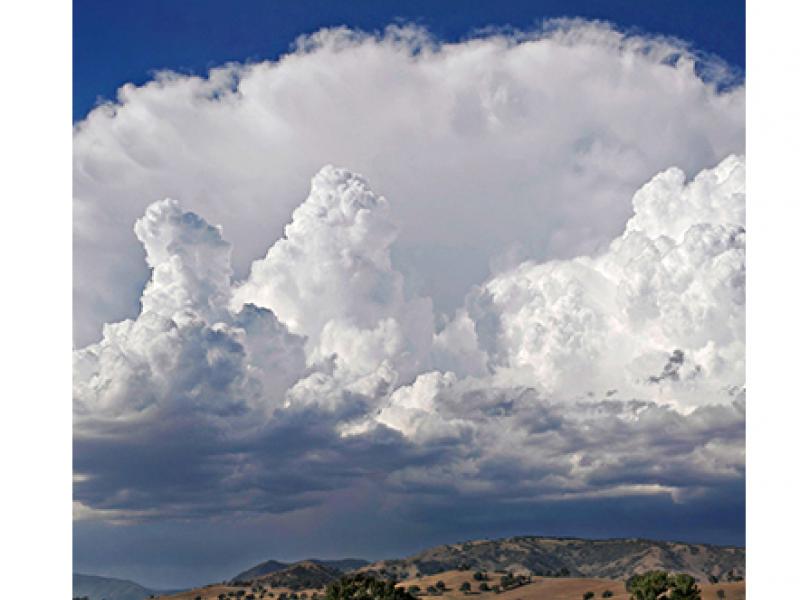
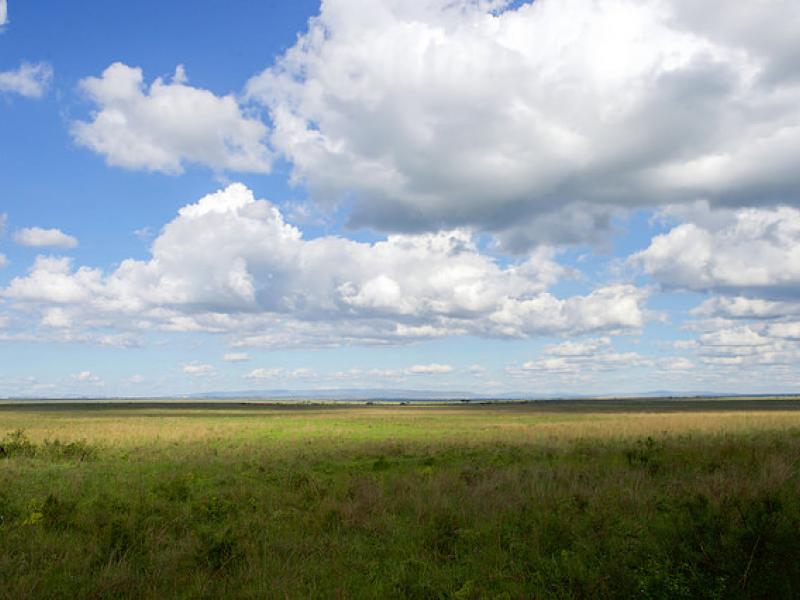
Clouds in the eastern North Atlantic region will come under scrutiny from a bevy of airplane-based instruments this summer as scientists analyze the physical and chemical properties of clouds and aerosols.
Organic matter found in vast quantities in oxygen-starved floodplains would yield only minimal energy for hungry microorganisms, which spurn the meal, researchers show in a study in Nature Geoscience.
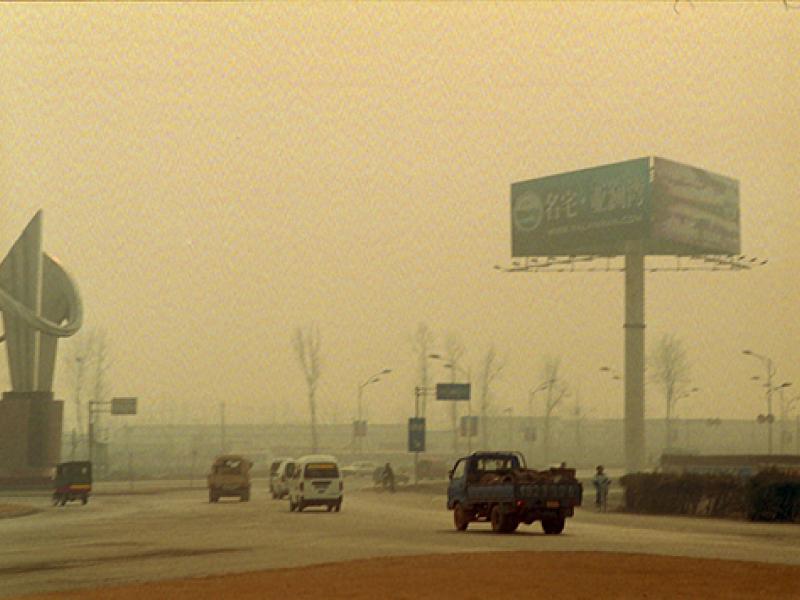
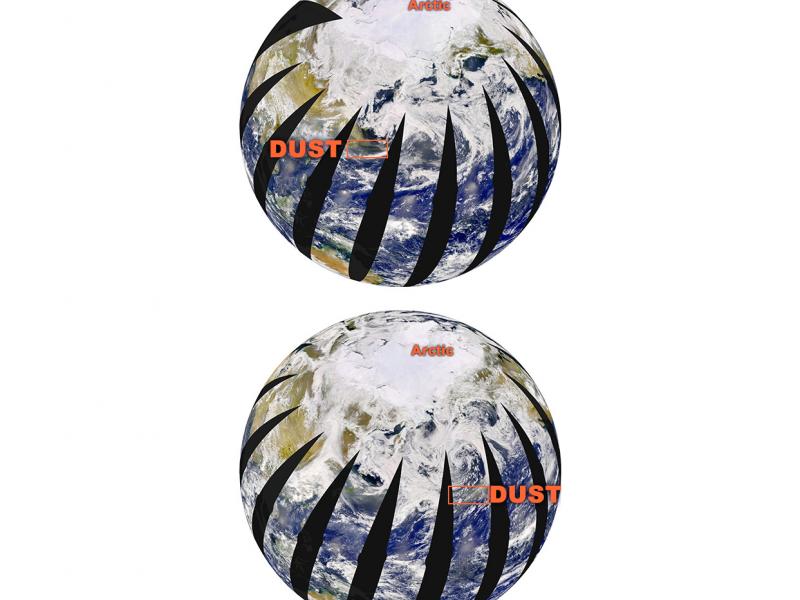
Small particles of pollution and dust make clouds brighter, and now scientists have figured out a way to better use data to improve our understanding of how this process affects the planet's climate.