Working with researchers with Tokyo Tech's World Research Hub Initiative in Japan and Canada, Xantheas will combine laboratory methods with computational explorations to study the biological functions of serotonin and nicotine.
Organic matter found in vast quantities in oxygen-starved floodplains would yield only minimal energy for hungry microorganisms, which spurn the meal, researchers show in a study in Nature Geoscience.
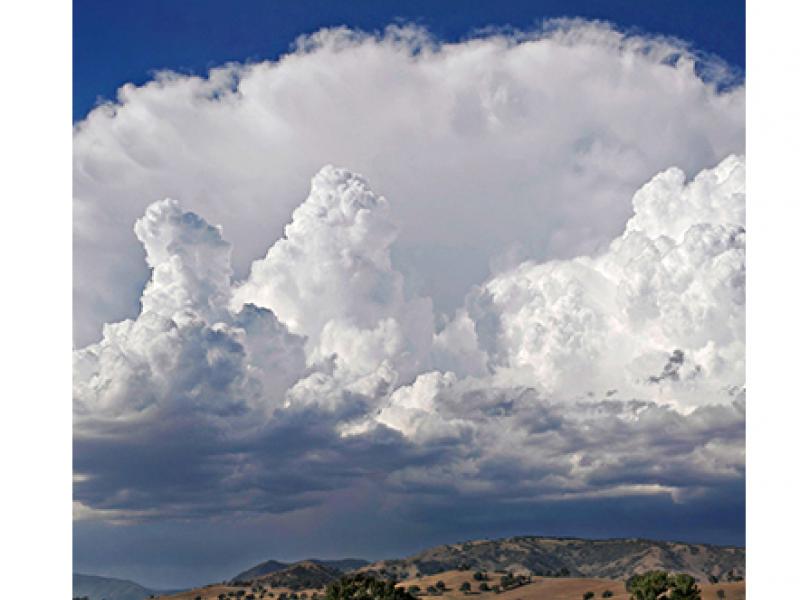
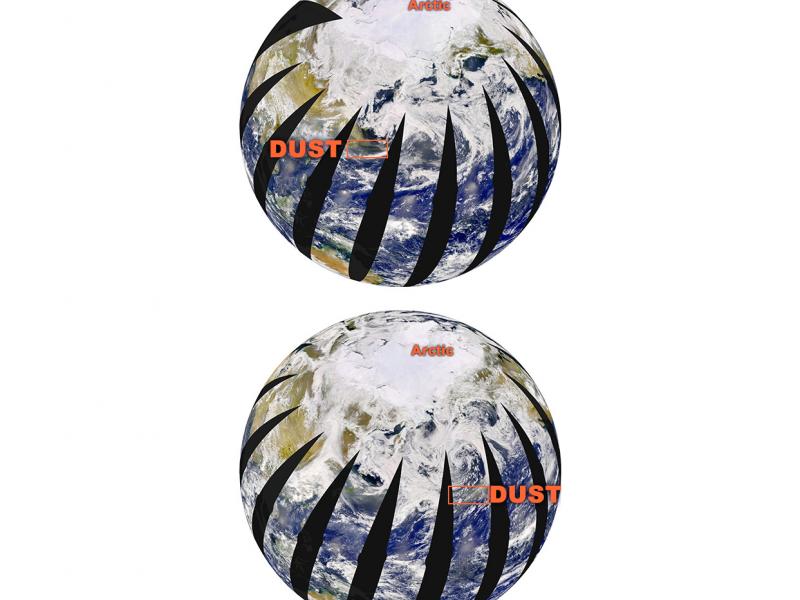
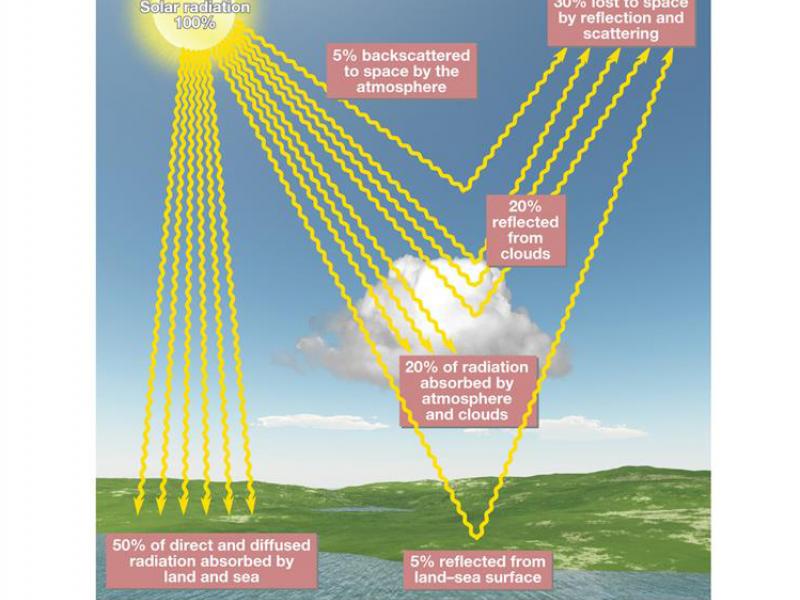
Small particles of pollution and dust make clouds brighter, and now scientists have figured out a way to better use data to improve our understanding of how this process affects the planet's climate.
PNNL scientists have developed a system to convert methane into an energy-rich substance that can be used as the basis for biofuels and even feed for cows that create the gas in the first place.
Bo Peng, a Linus Pauling Fellow and molecular sciences researcher at Pacific Northwest National Laboratory, was recognized at the Sanibel Symposium with the Löwdin Postdoctoral Associate Award.
Rick Corley has been honored for his work modeling the full chain of human respiration, from organ, to tissue, to cell, and down to individual molecule.
The rate of plant photosynthesis globally has blossomed this century, according to a new study in the journal Nature by a scientist at the Joint Global Change Research Institute and his colleagues.