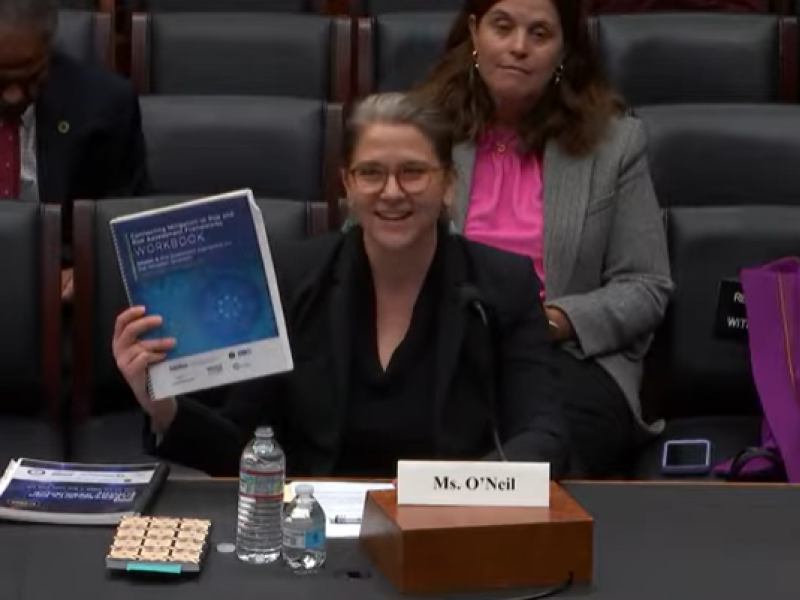
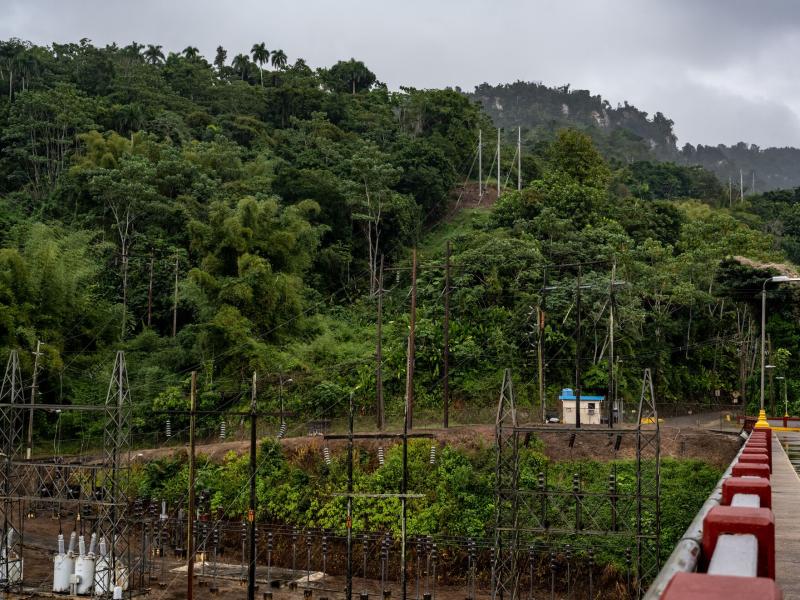
Rebecca O’Neil, a research principal in the Energy and Environment Directorate at PNNL, was invited to testify before the House Committee on Energy and Commerce’s Subcommittee on Energy.
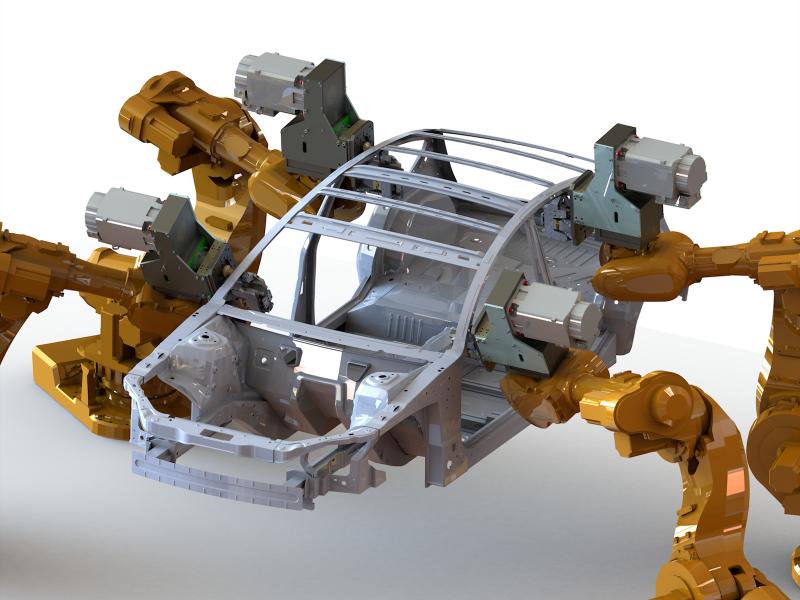
A breakthrough at PNNL could free friction stir from current constraints—and open the door for increased use of the advanced manufacturing technique on commercial assembly lines.
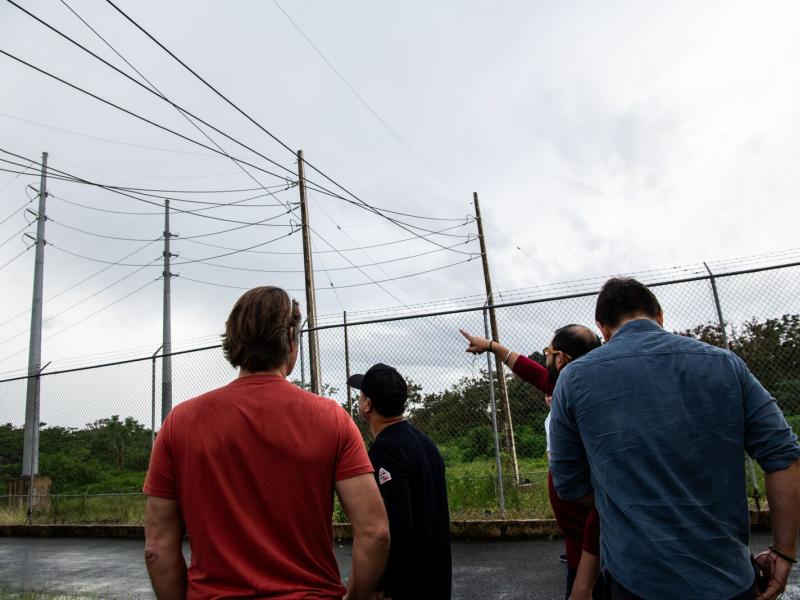
PNNL's E-COMP initiative is helping unleash American energy innovation with advanced theories, models, and software tools to better operate power systems that rely heavily on high-speed power electronic control.
Researchers at PNNL are pursuing new approaches to understand, predict and control the phenome—the collection of biological traits within an organism shaped by its genes and interactions with the environment.
By combining computational modeling with experimental research, scientists identified a promising composition that reduces the need for a critical material in an alloy that can withstand extreme environments.
The Generator Scorecard, developed by PNNL in partnership with BPA, automates generator evaluations, reducing engineering workloads and improving grid reliability.
PNNL researchers have developed a new, physics-informed machine learning model that accurately predicts how heat accumulates and dissipates during friction stir processing.
The National Transmission Planning Study presents several transmission expansion scenarios that would reliably support the growing demand for energy across the nation.
PNNL computing experts Robert Rallo and Court Corley contribute their knowledge to a recent DOE report on applications of AI to energy, materials, and the power grid.
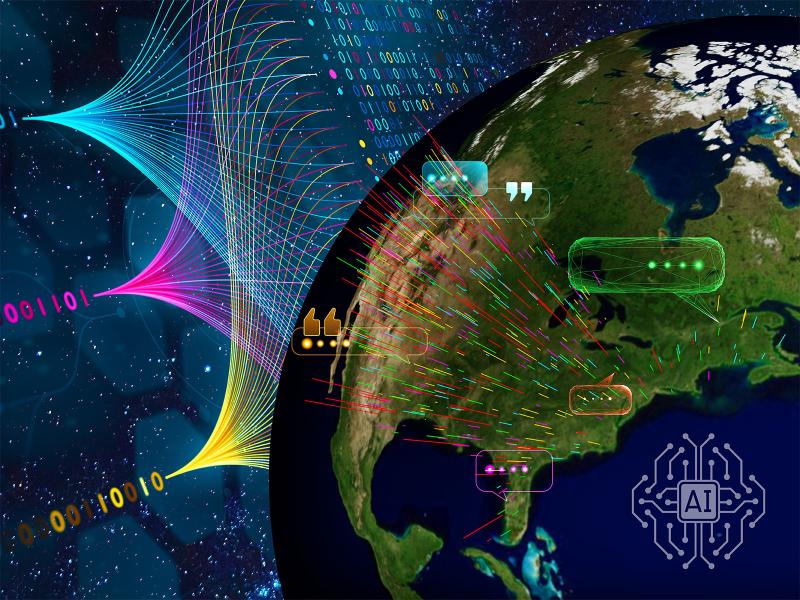
ChatGrid™ is a practical application of the Department of Energy’s exascale computing efforts and offers a new experience in easy, intuitive, and interactive data interaction.
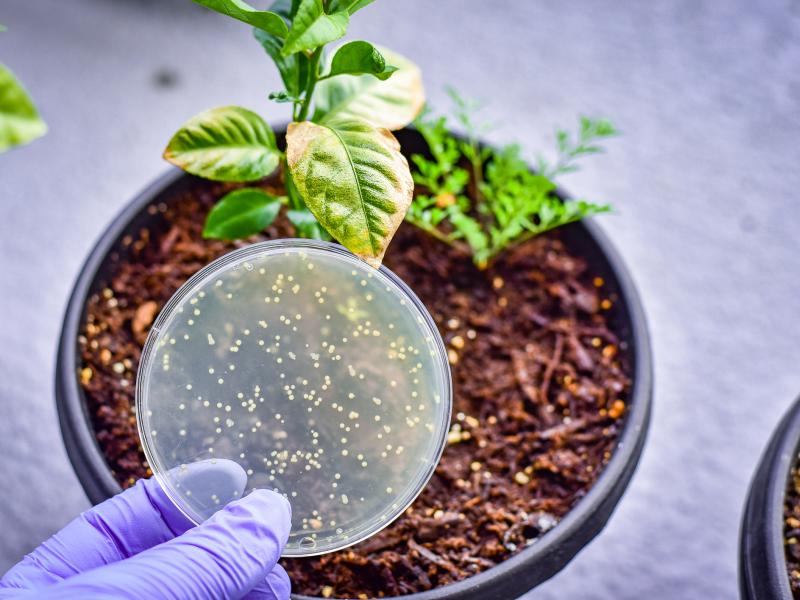
Scientists at PNNL have published a new article that focuses on understanding the composition, dynamics, and deployment of beneficial soil microbiomes to get the most out of soil.
A team of researchers from PNNL provided technical knowledge and support to test a suite of techniques that detect genetically modified bacteria, viruses, and cells.