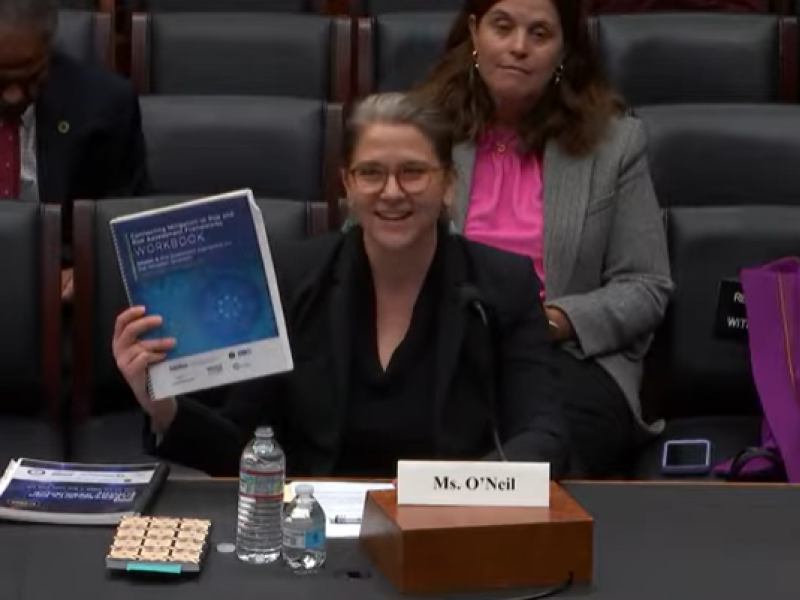
Rebecca O’Neil, a research principal in the Energy and Environment Directorate at PNNL, was invited to testify before the House Committee on Energy and Commerce’s Subcommittee on Energy.
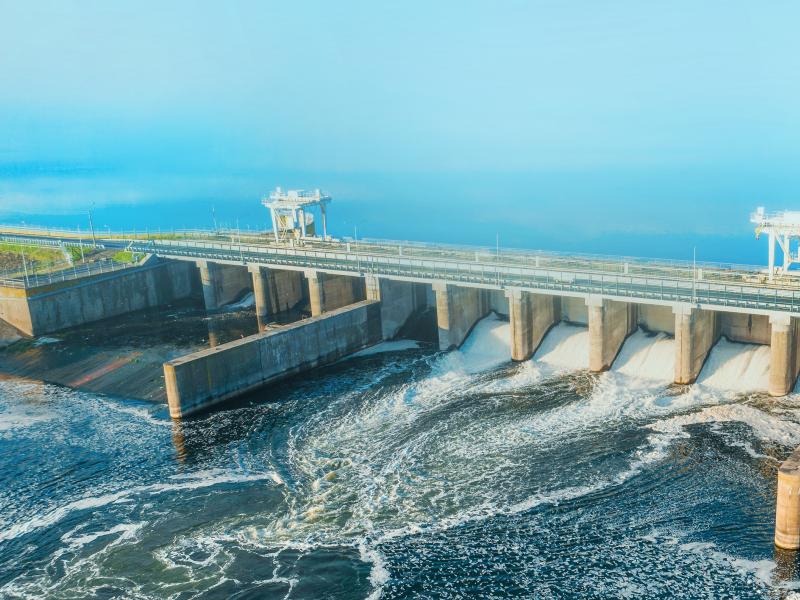
A modeling study shows that adding batteries to a dam could decrease the wear and tear on hydropower turbines and open up new opportunities for dam operators to earn revenue.
A new analysis shows how renewable energy sources like solar, wind and hydropower respond to climate patterns, and how utilities can use this data to save money and invest in energy storage.
A new digital twin platform can help hydropower dam operators by providing accurate and predictive models of physical turbines that improve facilities and enhance reliability.
Although climate change may bring increased precipitation to many parts of the United States, some areas may face drier conditions and lower streamflow, resulting in decreased hydropower generation.
PNNL will engage with transmission planners and other regional partners through technical assistance and listening sessions with the goal of exploring opportunities to integrate equity into transmission planning.
New methodological approach demonstrates how to assess the economic value, including non-traditional value streams, of converting non-powered dams to hydroelectric facilities.
A PNNL study developed a water management module for Xanthos that distinguishes between the operational characteristics of hydropower, irrigation, and flood control reservoirs.
Pacific Northwest National Laboratory launches the Training Outreach and Recruitment for Cybersecurity Hydropower program at the University of Texas at El Paso.
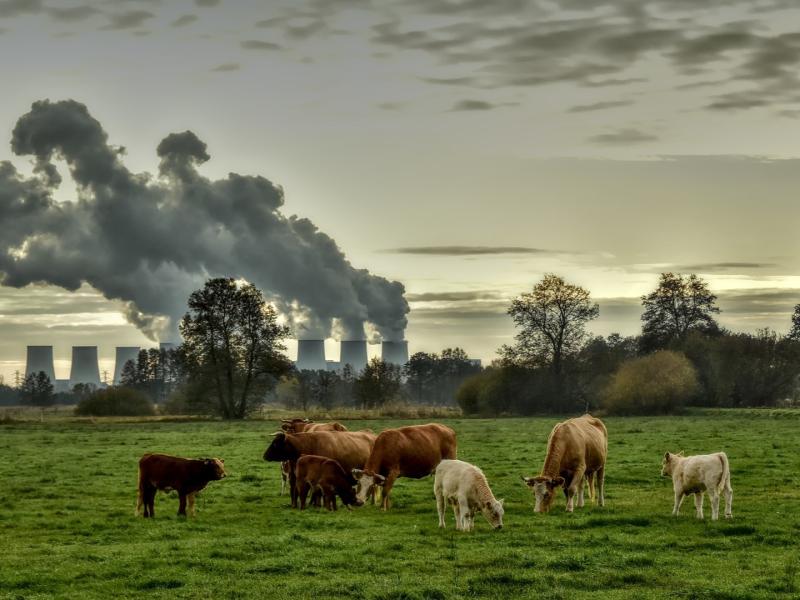
In a new paper, researchers point to three major efforts where the biggest climate mitigation gains stand to be realized: ramping up carbon dioxide removal, reigning in non-carbon dioxide emissions and halting deforestation.
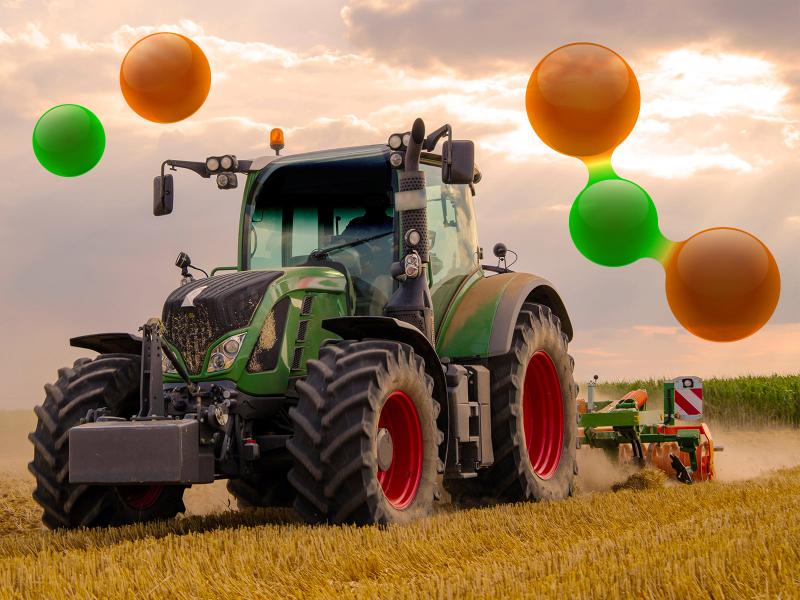
A new discovery by PNNL researchers has illuminated a previously unknown key mechanism that could inform the development of new, more effective catalysts for abating NOx emissions from combustion-engines burning diesel or low carbon fuel.