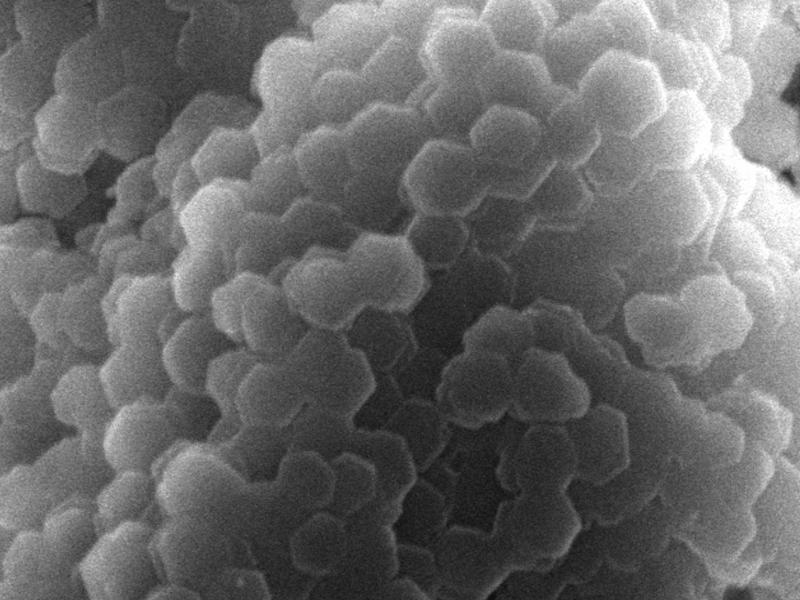
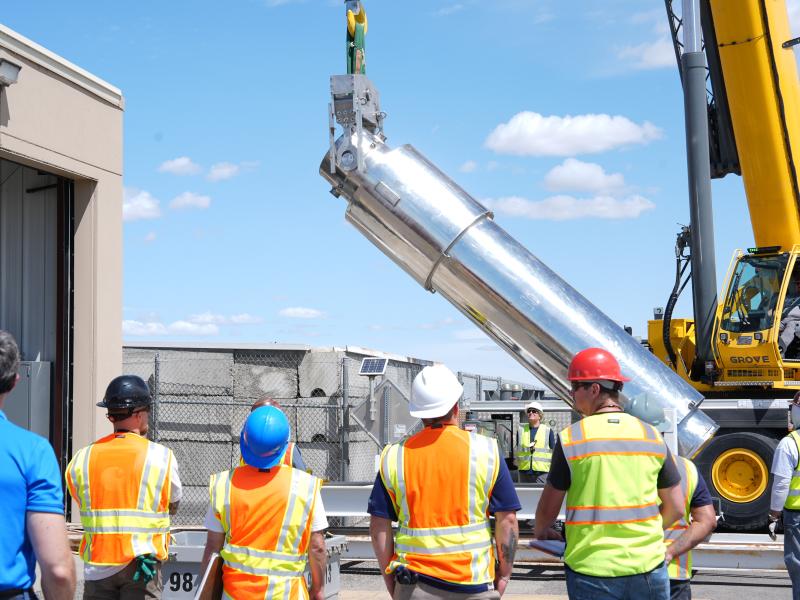
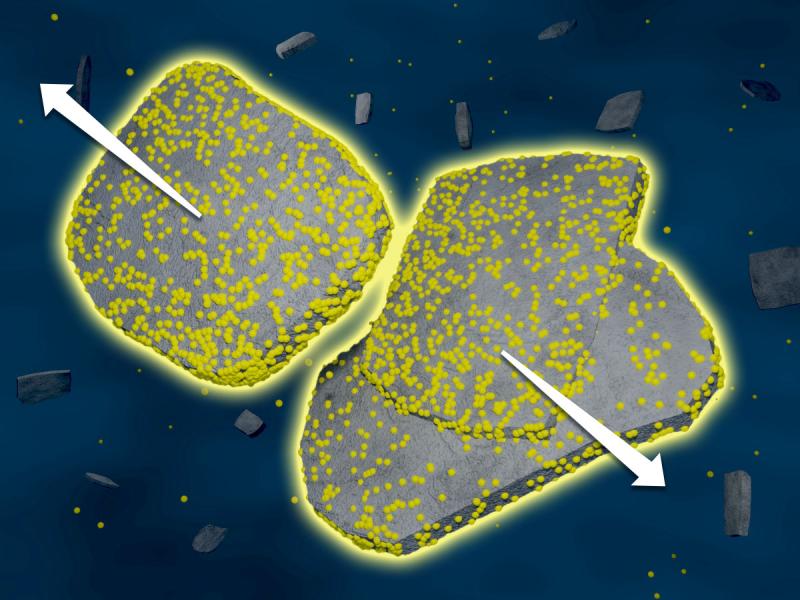
The Hanford Site is now immobilizing radioactive waste in glass: a process known as vitrification. PNNL contributed 60 years of materials science expertise—and is providing operational support—to help the nation meet this cleanup milestone.
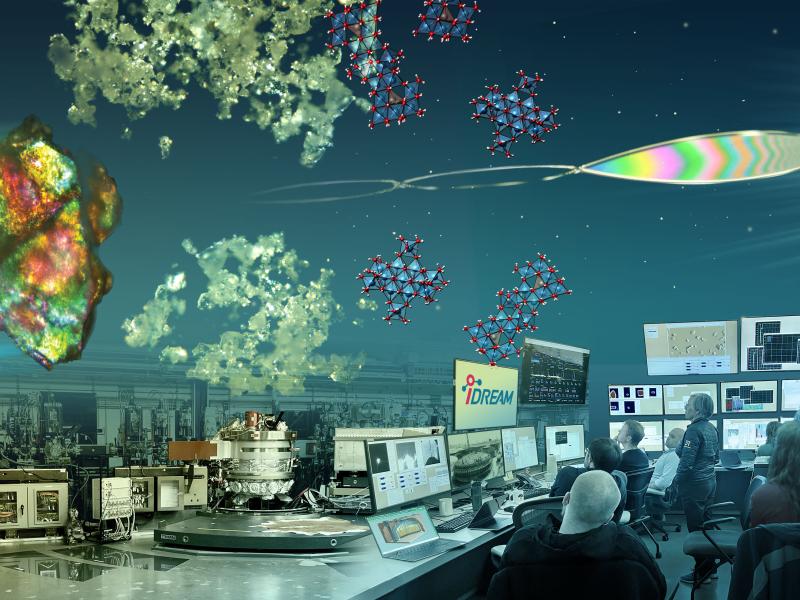
Early career researchers recognized with Team Science Award by the Department of Energy for presentation highlighting the collaborative science performed by IDREAM.
Researchers at PNNL share a research- and practitioner-informed approach to assess the threat landscape, elicit and integrate feedback into solutions, and ultimately share outcomes with the emergency response and public safety community.
Two new publications provide emergency response agencies with critical insights into commercially available unmanned ground vehicles used for hazardous materials response.
For PNNL’s Jonathan Evarts, Hope Lackey, and Erik Reinhart, this partnership with WSU opened doors and provided opportunities for their scientific careers to flourish.
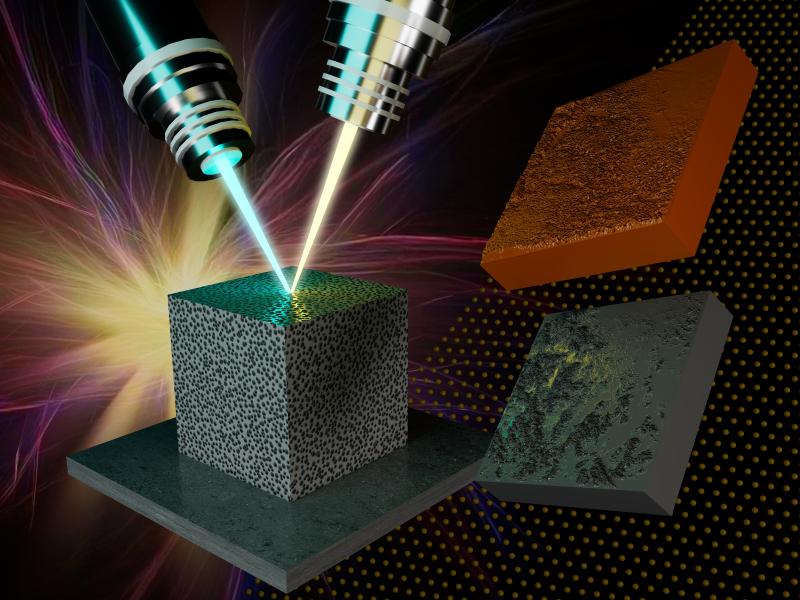
By combining computational modeling with experimental research, scientists identified a promising composition that reduces the need for a critical material in an alloy that can withstand extreme environments.
A team from PNNL contributed several articles to the Domestic Preparedness Journal showcasing recent efforts to explore the emergency management and artificial intelligence research and development landscape.
A team of researchers recently coordinated a series of international workshops aimed at enhancing chemical research security and fostering collaboration among scientists and academic researchers from both countries.