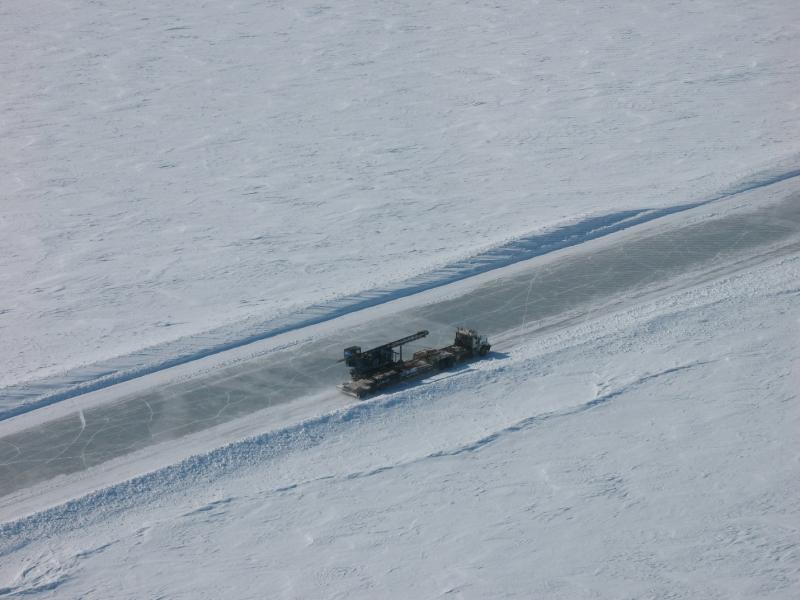
Climate change and socioeconomic pressures are transforming passenger and freight transportation in the Arctic, producing effects that have yet to be fully understood.
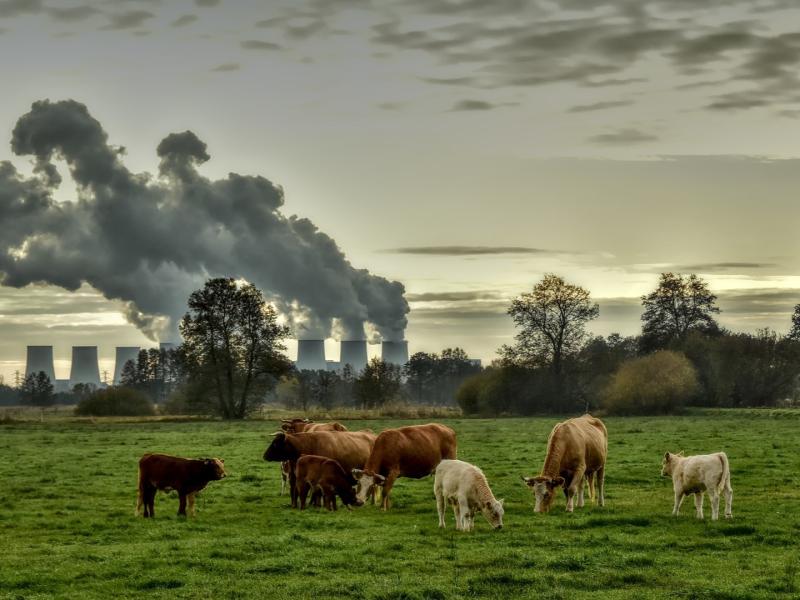
In a new paper, researchers point to three major efforts where the biggest climate mitigation gains stand to be realized: ramping up carbon dioxide removal, reigning in non-carbon dioxide emissions and halting deforestation.
Testing the assumption that different future socio-economic development patterns, which result in different land-use changes, can be paired with different future climate outcomes for risk assessments in a multi-model framework.
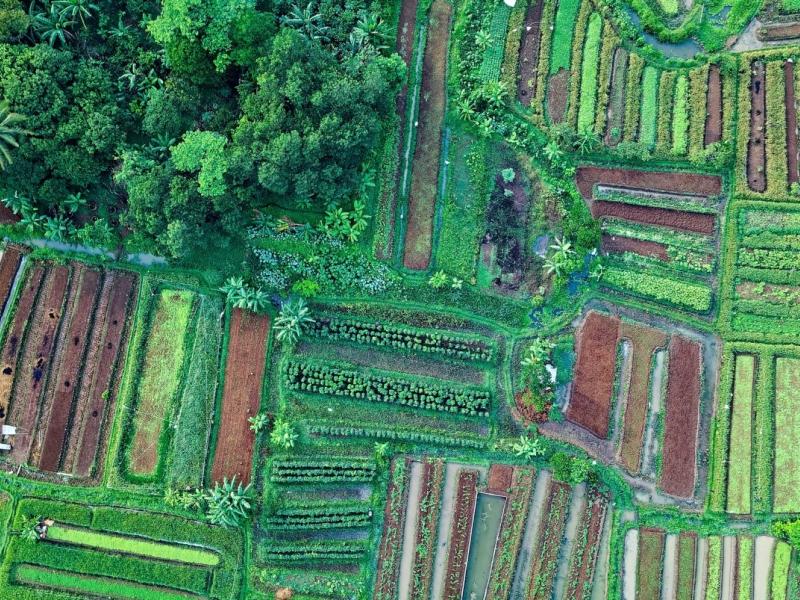
Incorporating spatially explicit land characteristics in a global model illustrates the complex effects of applying uniform regional protection assumptions in a global analysis.
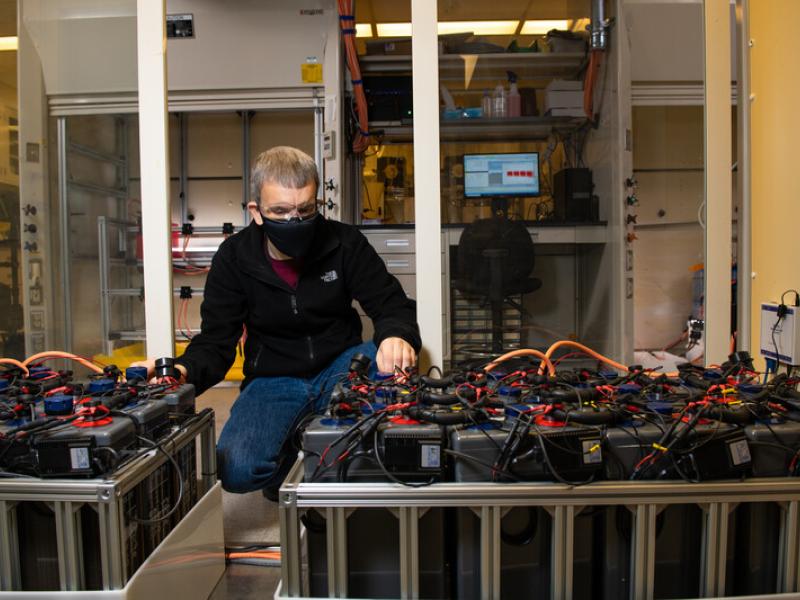
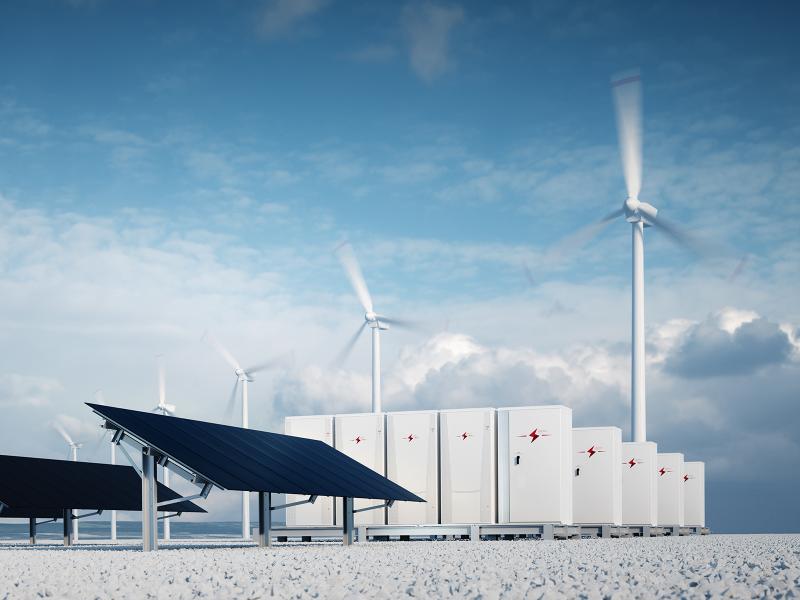
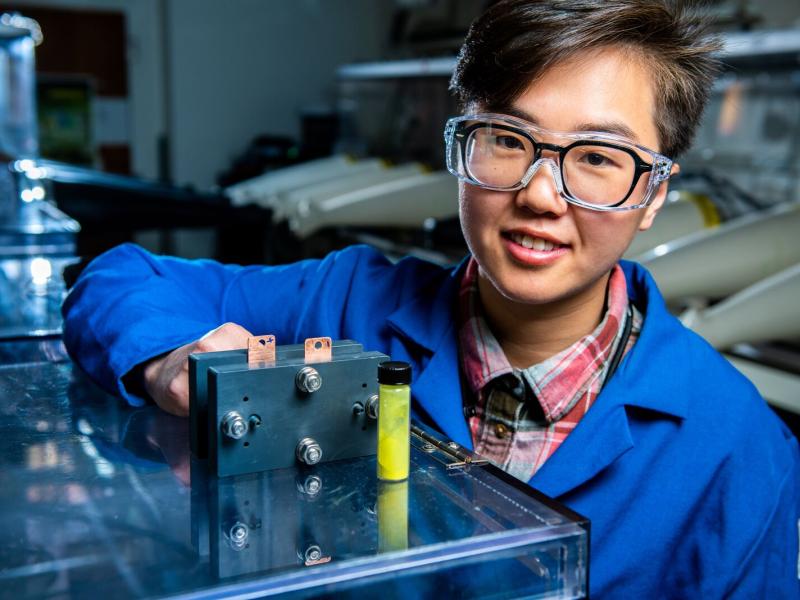
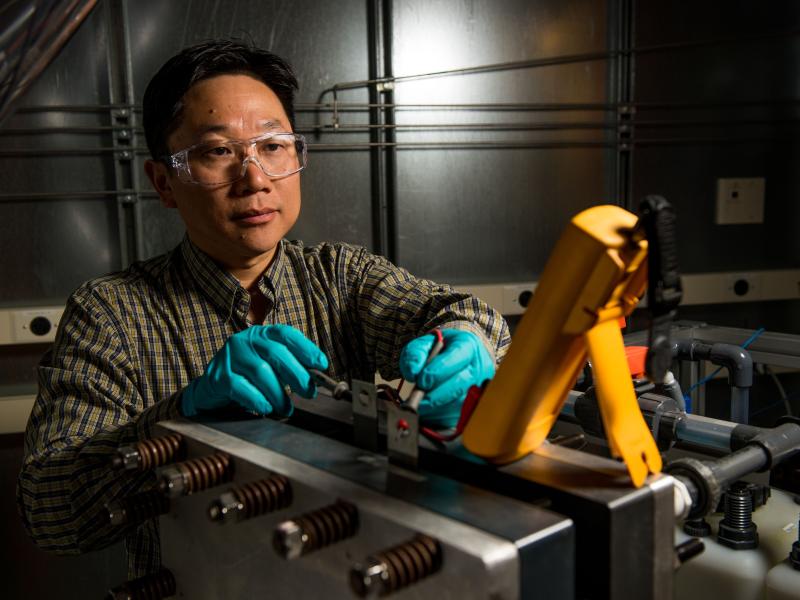
PNNL researchers are helping to better define the need for grid energy storage in future clean energy scenarios, as well as working to improve technologies for storing renewable energy so it's available when and where it's needed.
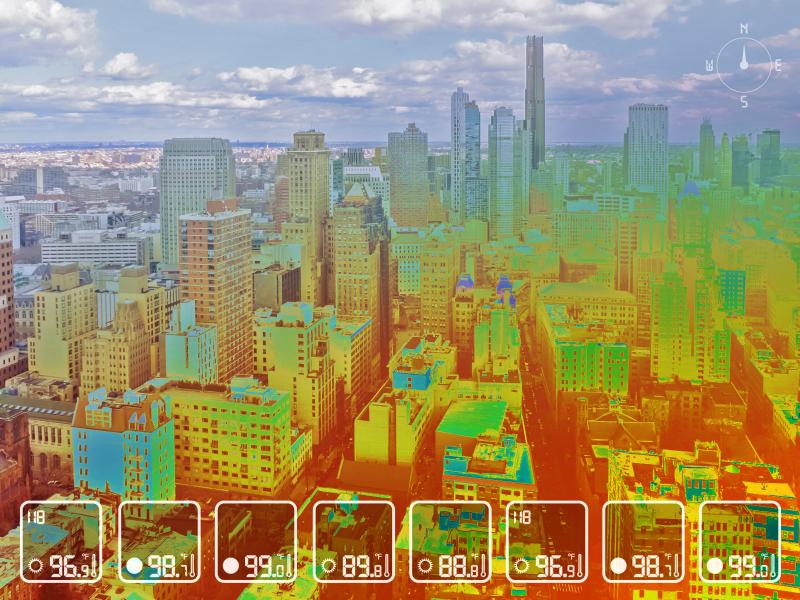
Using a combination of satellite data and modeling to study the temperatures and humidity people might feel in urban areas, researchers have pinpointed who in the U.S. is most vulnerable to heat stress.