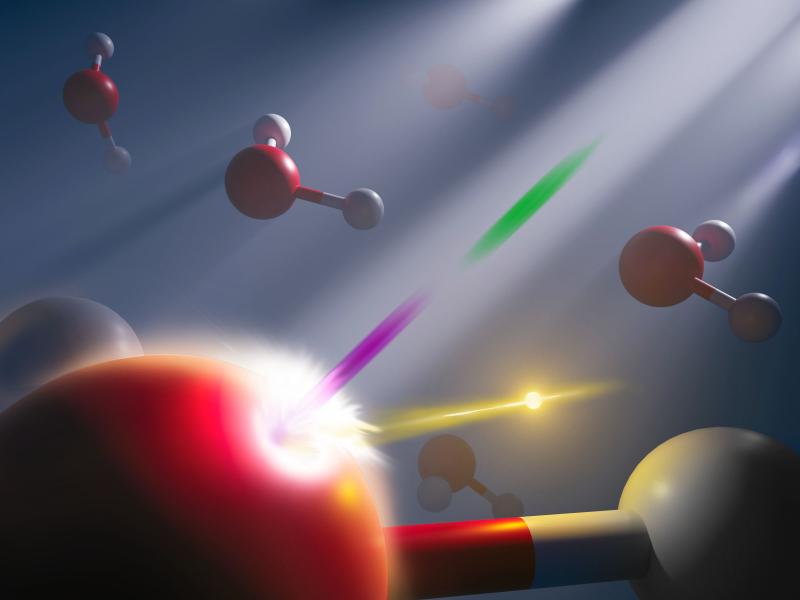
Researchers synthesize molecular-level laboratory experiments to develop comprehensive model representations of new particle formation and the chemical transformation of precursor gases.
Researchers show application of a causal model better identifies direct and indirect causal relations compared to correlation and random forest analyses performed over the same dataset.
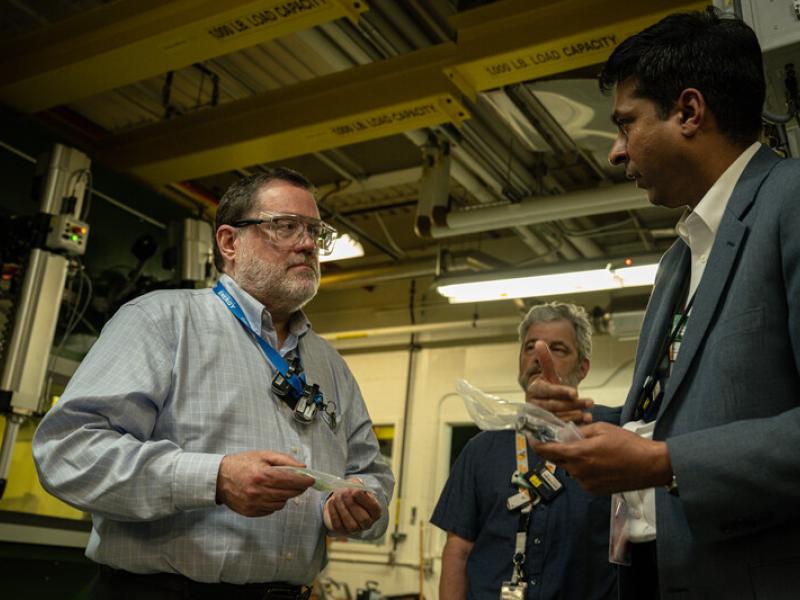
The Department of Energy Office of Nuclear Energy acting assistant secretary makes his first visit to a national laboratory in his new role, touring PNNL's Radiochemical Processing Laboratory.
Policy changes in power, energy, buildings, and more could help slow global temperature rise, according to a new report with co-authors from PNNL’s Joint Global Change Research Institute.
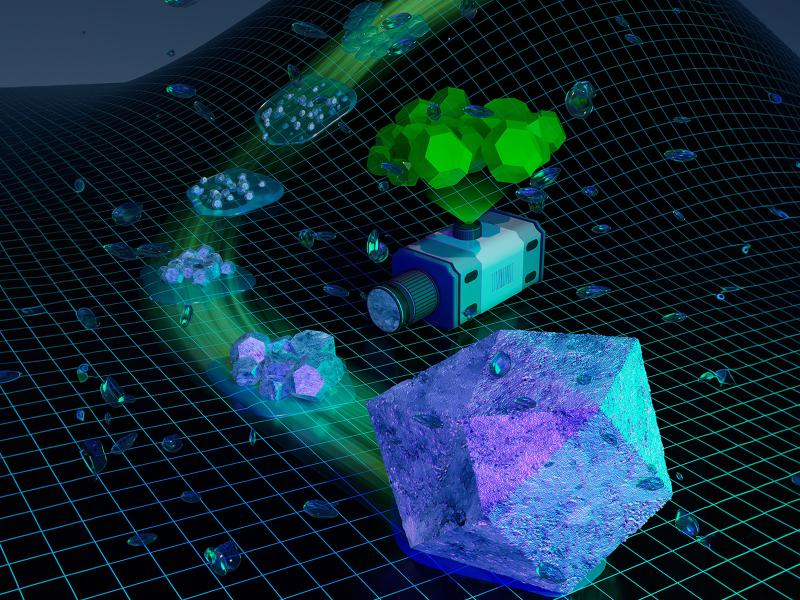
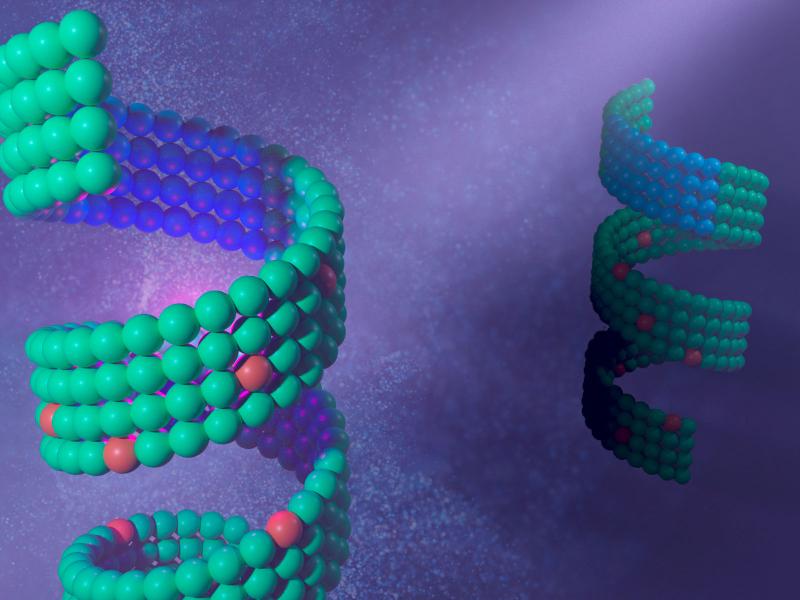
Two decades of advances have provided a clearer picture of the mechanisms of crystal assembly. This review highlights key breakthroughs in crystallization pathways of both soft and organic materials, emphasizing future research directions.
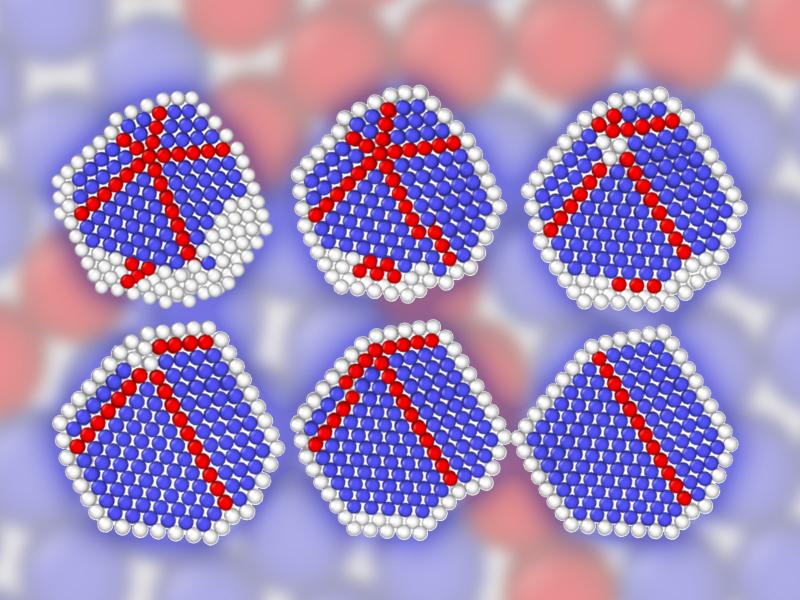
Twinned nanocrystals have unique physical and chemical properties, a variety of which are detailed by a new study. These findings can help guide future efforts in controlling twinning and detwinning in gold nanoparticles.
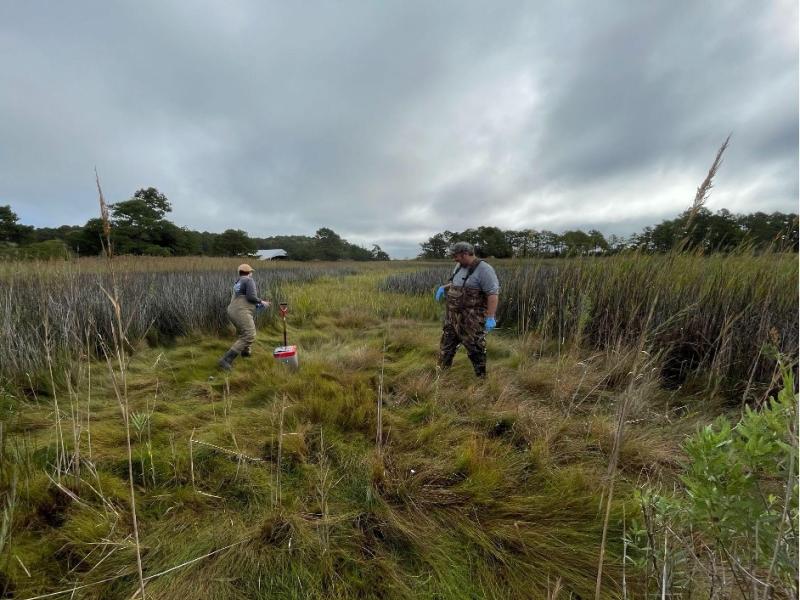
Study explores Exploration of Coastal Hydrobiogeochemistry Across a Network of Gradients and Experiments, a consortium of scientists interested in the exchange between water and land in coastal systems.
This study demonstrates a new model that integrates complex organic matter (OM) chemistry and multiple electron acceptors to predict kinetic rates of OM oxidation.