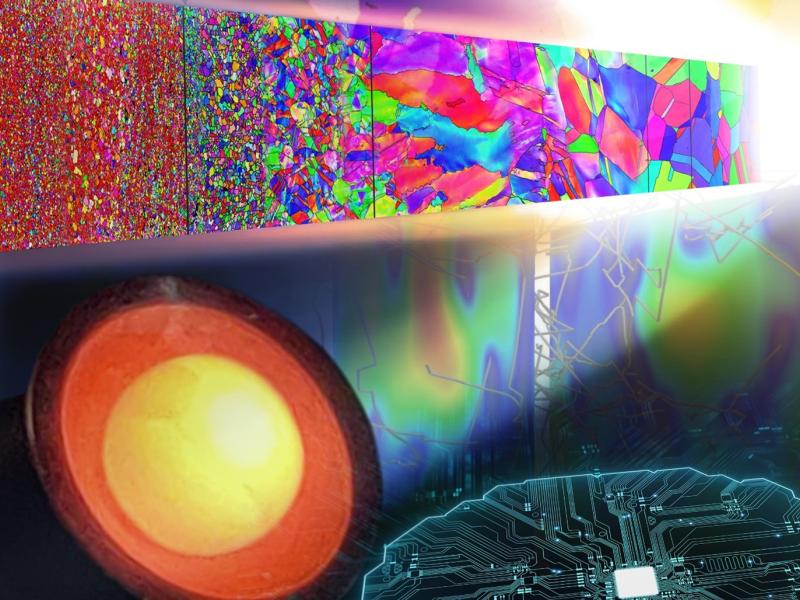
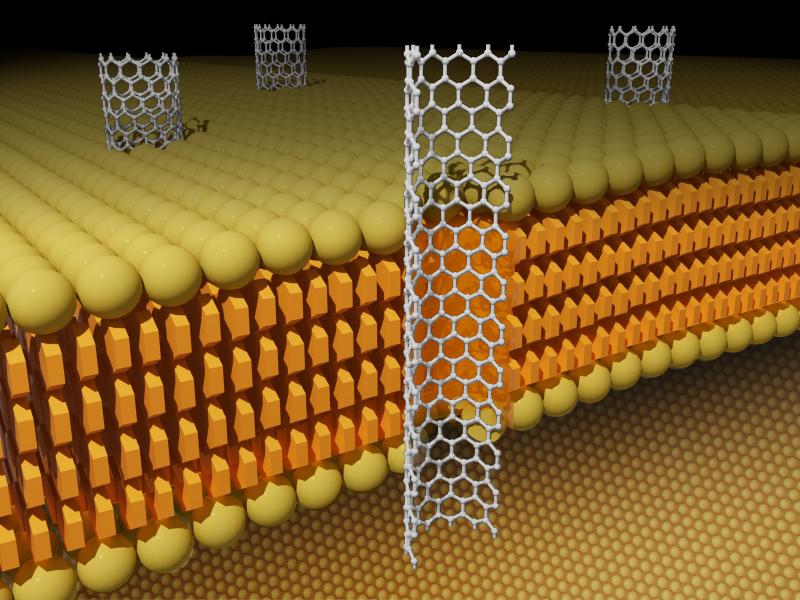
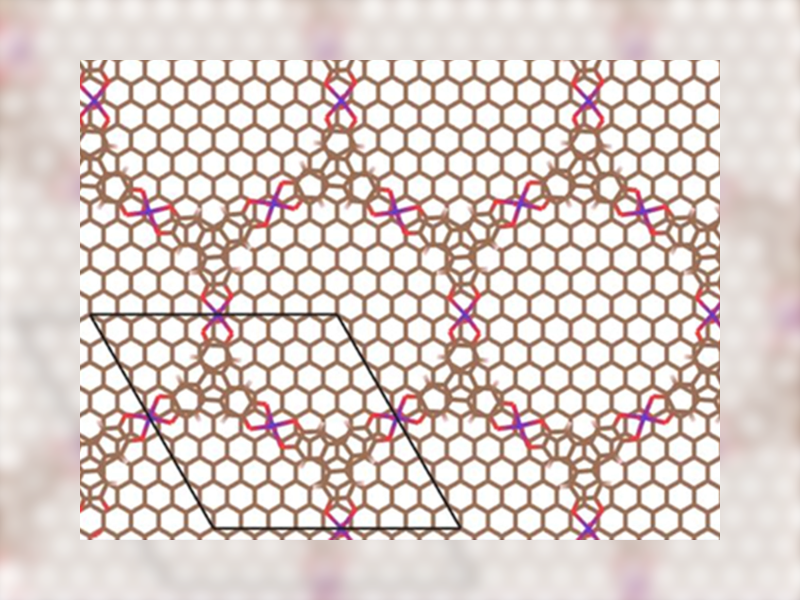
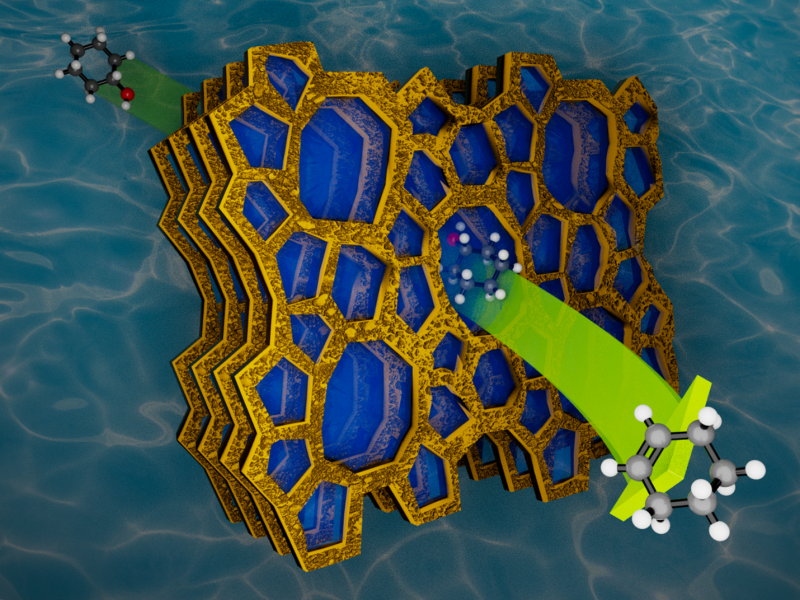
Mitra Taheri served as a co-editor on a special issue of the Materials Research Society Bulletin, which also featured work from Daniel Schreiber and Cindy Powell.
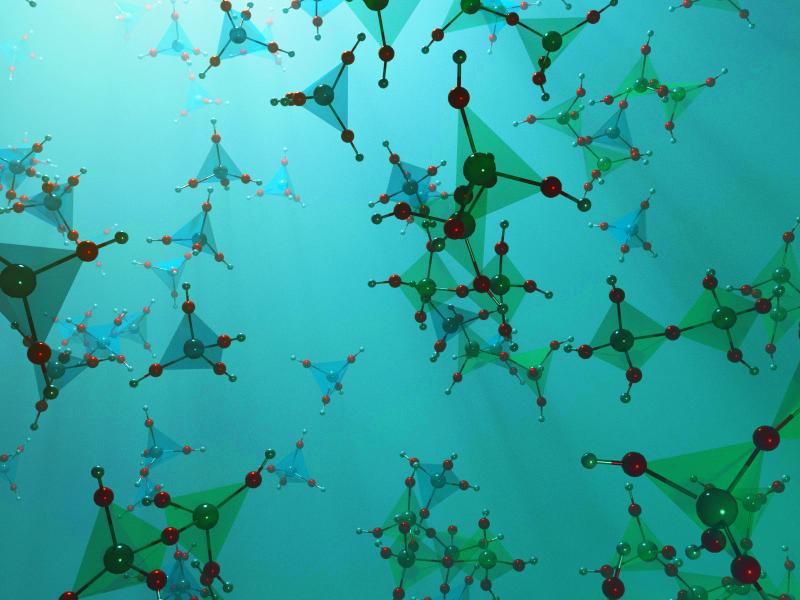
A multi-omics analysis provides the framework for gaining insights into the structure and function of microbial communities across multiple habitats on a planetary scale
In new work, PNNL researchers find that 10 gigatons of carbon dioxide may need to be pulled from Earth's atmosphere and oceans annually to limit global warming to 1.5 degrees. A diverse suite of carbon dioxide removal methods will be key.
Machine learning models help identify important environmental properties that influence how often extreme rain events occur with critical intensity and duration.
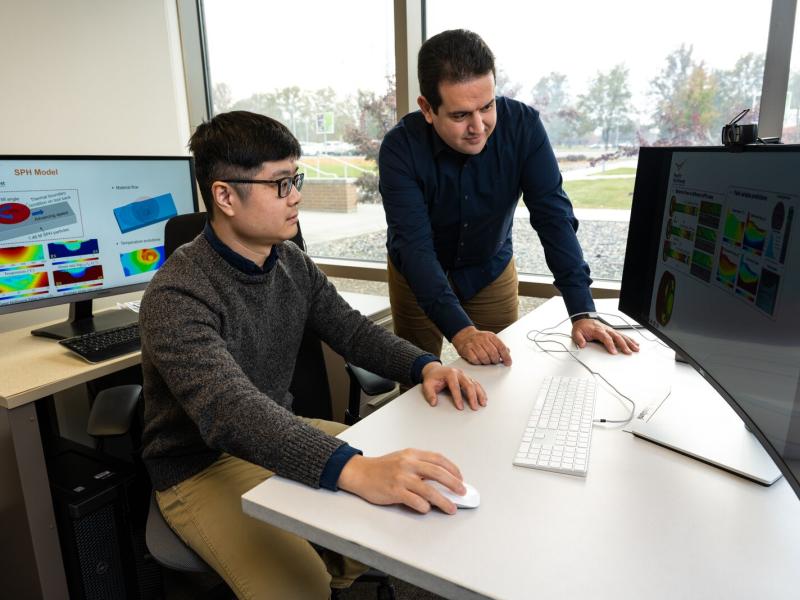
A PNNL-developed computational framework accurately predicts the thermomechanical history and microstructure evolution of materials designed using solid phase processing, allowing scientists to custom design metals with desired properties.
Hailong Wang is a non-federal co-lead for the Arctic Systems Interactions Collaboration Team that will explore the Arctic’s dynamic interconnected systems.
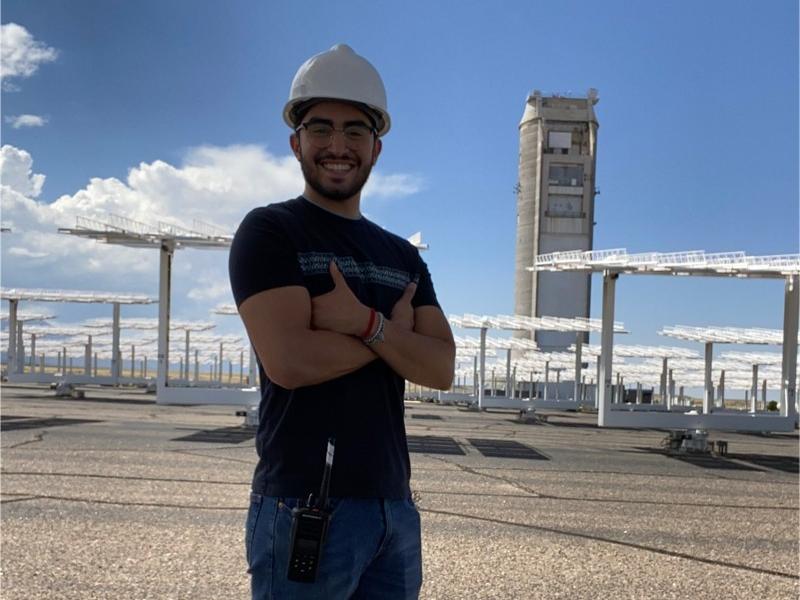
Cesar Moriel from University of Texas at El Paso will be interning at the PNNL over the summer as part of the Energy Environment Diversity Internship Program.
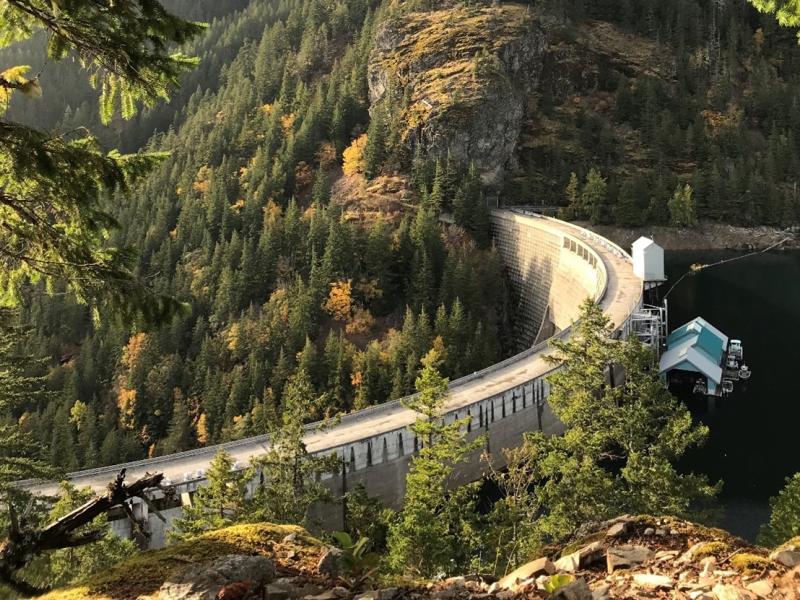
A scenario approach was used to explore the potential future role of hydropower around the globe considering the multisectoral dynamics of regional energy systems and basin-specific water resources.
Report for the Oregon Public Utility Commission highlights innovations and best practices for resilience and utility planning could be helpful to other states as well.
Yun Qian was elected to a three-year term leading the Committee on the Coastal Environment of the American Meteorological Society’s Scientific and Technological Activities Commission.
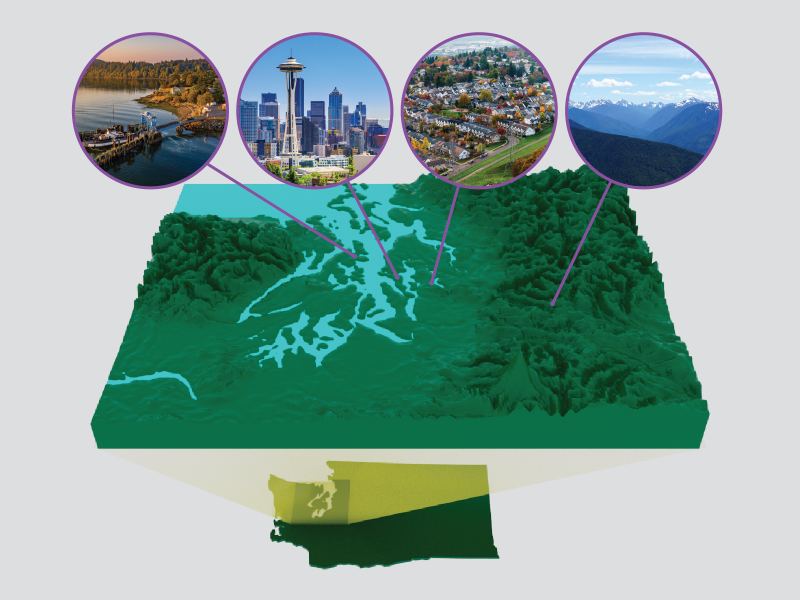
A new report, based on a community workshop and literature review, summarizes some of the biggest challenges in understanding and modeling Earth system and human–Earth system dynamics in the Puget Sound region of Washington State.
The work by the team at PNNL takes a critical step in leveraging ML to accelerate advanced manufacturing R&D, specifically for manufacturing techniques without access to efficient, first-principles simulations.