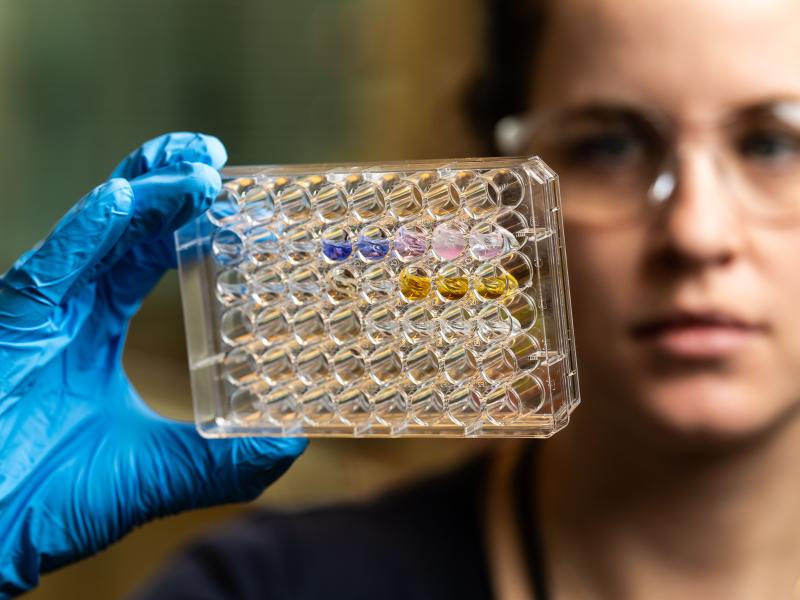
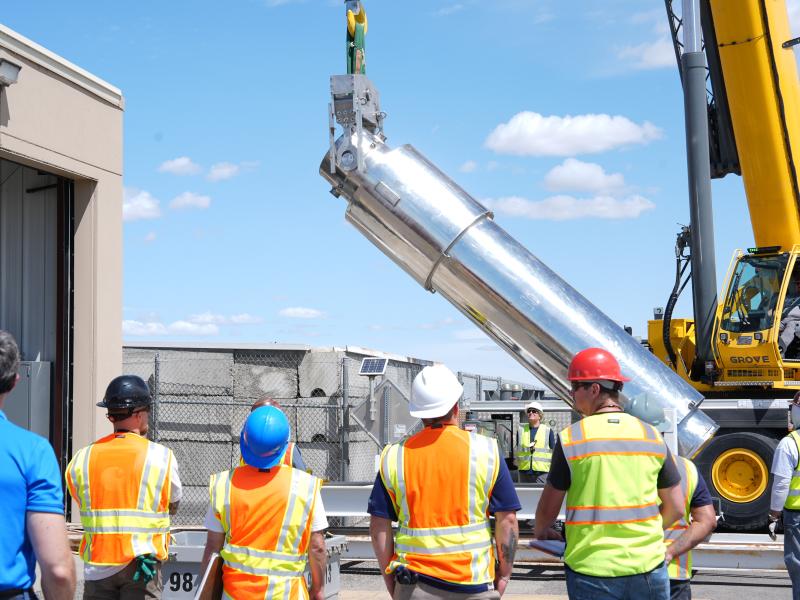
The Hanford Site is now immobilizing radioactive waste in glass: a process known as vitrification. PNNL contributed 60 years of materials science expertise—and is providing operational support—to help the nation meet this cleanup milestone.
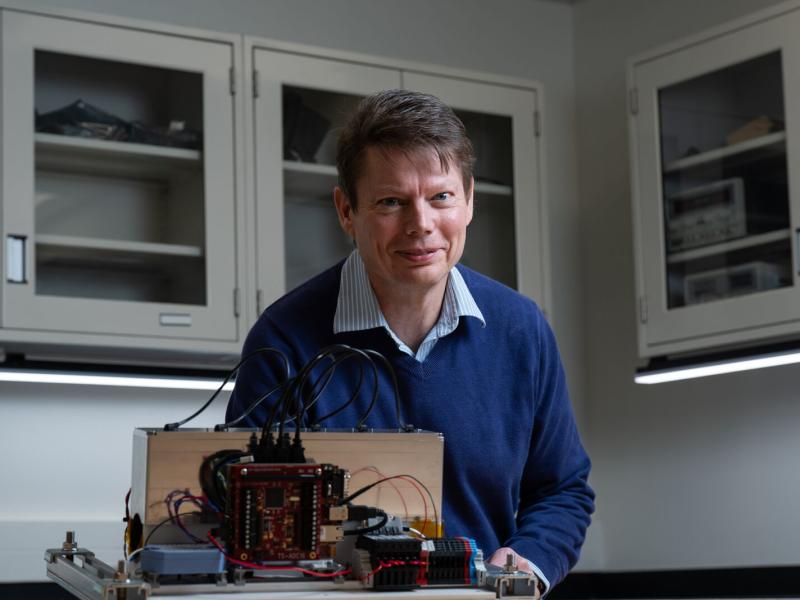
The PNNL-developed UF6 Gas Enrichment Sensor (UGES) prototype is the next generation of a previous enrichment monitoring device—namely the Online Enrichment Monitor. UGES will increase the accuracy of uranium measurements.
Yong Wang will lead the Institute for Integrated Catalysis, advancing the science and technology of catalysis to address global challenges in energy resilience.
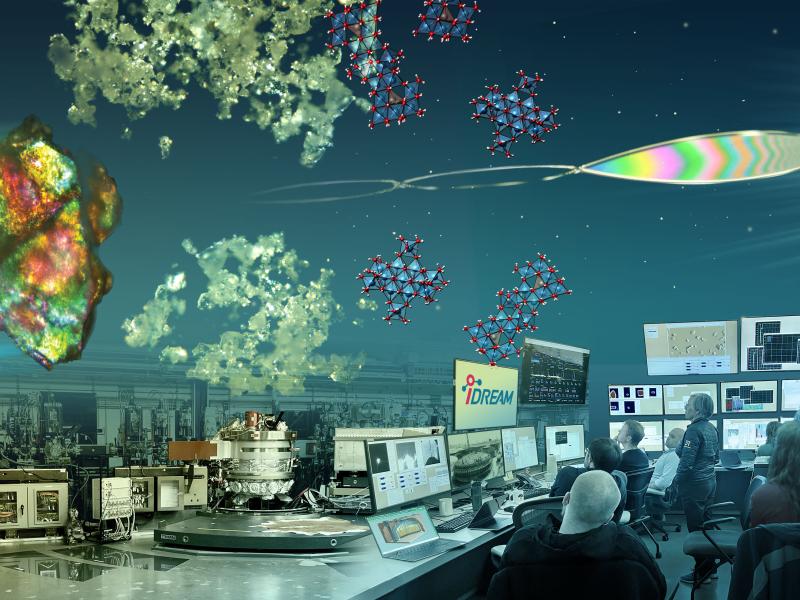
Early career researchers recognized with Team Science Award by the Department of Energy for presentation highlighting the collaborative science performed by IDREAM.
Researchers at PNNL share a research- and practitioner-informed approach to assess the threat landscape, elicit and integrate feedback into solutions, and ultimately share outcomes with the emergency response and public safety community.
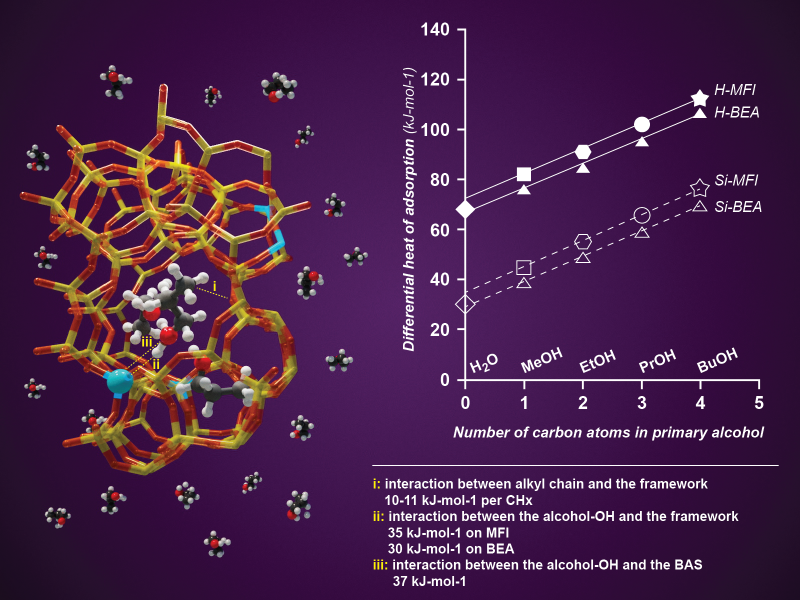
A comprehensive investigation provides quantitative data on the interaction between zeolite pores and linear alcohols, with hydroxyl group interactions playing the largest role.
Peter Heine, senior advisor in the Strategic Threat Analysis group at PNNL, recently travelled to Brussels, Belgium, to support the World Customs Organization's Operation Stingray.
A team of researchers at PNNL has received the 2025 National Nuclear Security Administration CIO Award for developing an innovative solution to enhance secure communications.
Through an unprecedented collaboration with Idaho, Savannah River, and Argonne national laboratories, the Athena Project has built a network of nearly 150 scientists.
Aaron Luttman and Jonathan Forman represented PNNL at the high-profile "Risk and Reduction Science and Policy Forum" organized by Johns Hopkins University and supported by the Defense Threat Reduction Agency.