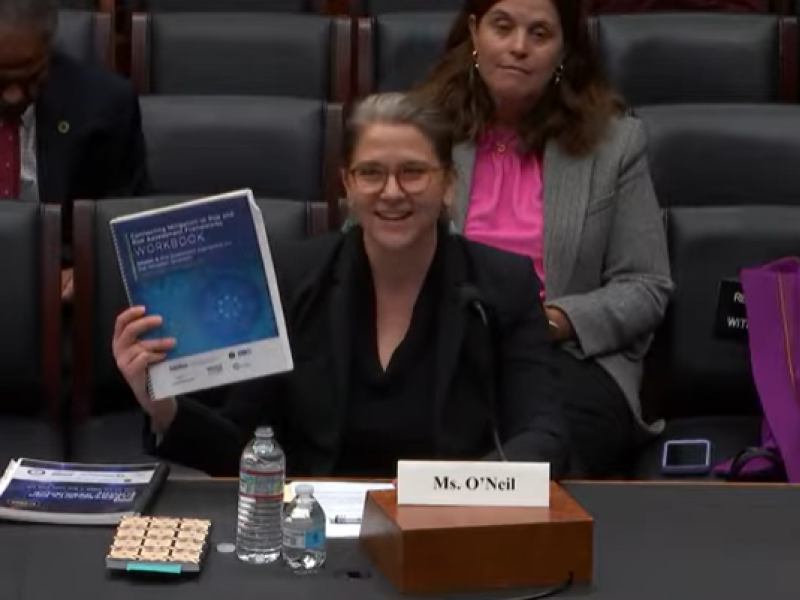
Rebecca O’Neil, a research principal in the Energy and Environment Directorate at PNNL, was invited to testify before the House Committee on Energy and Commerce’s Subcommittee on Energy.
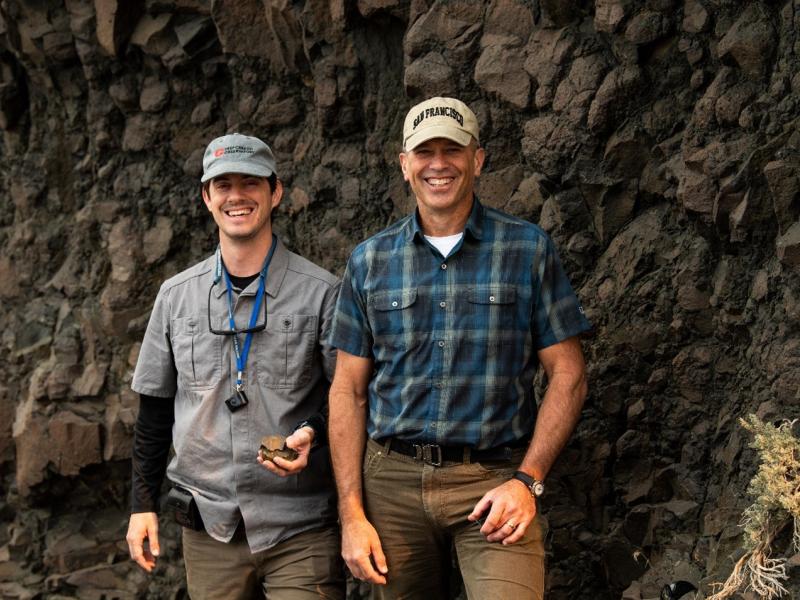
A decade after working as a post-bachelor’s researcher at PNNL, chemist Quin Miller is helping develop the workforce for the critical minerals-focused mines of the future.
The Hanford Site is now immobilizing radioactive waste in glass: a process known as vitrification. PNNL contributed 60 years of materials science expertise—and is providing operational support—to help the nation meet this cleanup milestone.
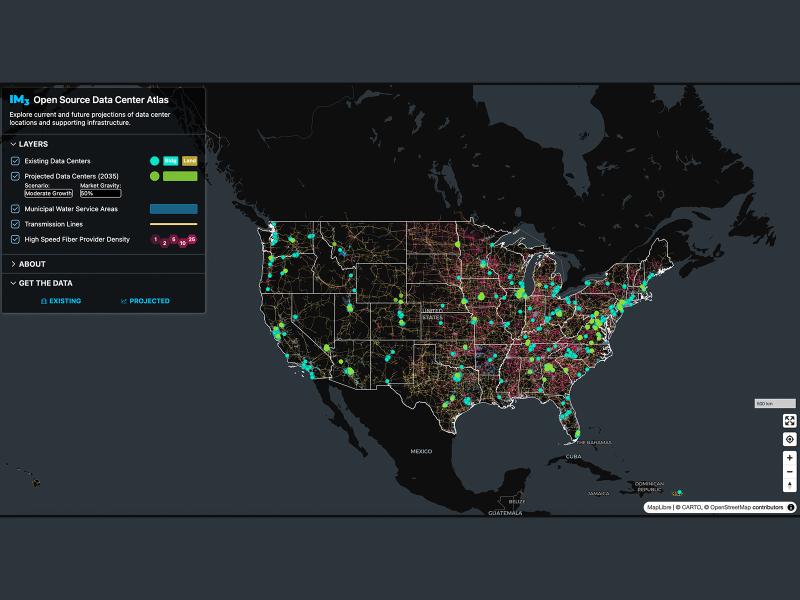
Now, anyone can easily explore and access data from a nationwide map of data centers, the infrastructure that powers them, and projections of future data center locations.
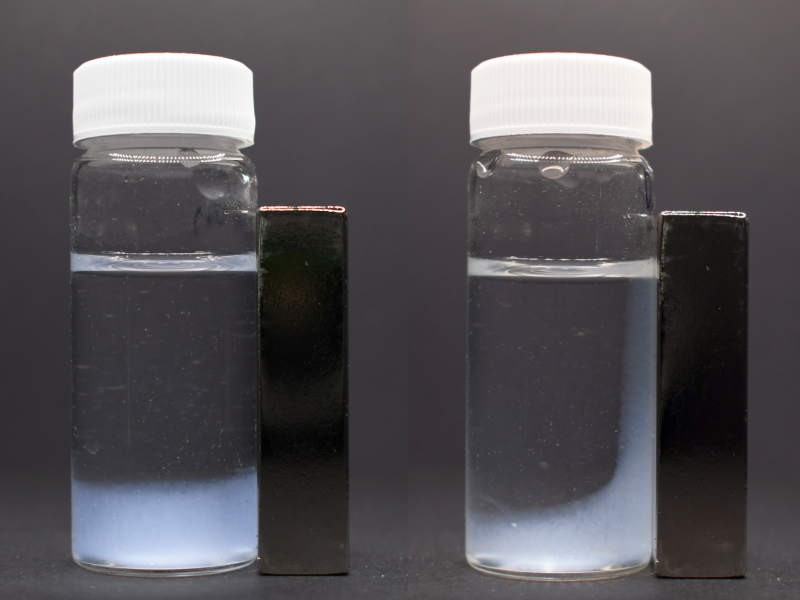
Localized gradients in magnetic fields have long-range effects on the concentration of rare earth ions in solution, facilitating field-driven extraction of critical minerals.
Yong Wang will lead the Institute for Integrated Catalysis, advancing the science and technology of catalysis to address global challenges in energy resilience.
Early career researchers recognized with Team Science Award by the Department of Energy for presentation highlighting the collaborative science performed by IDREAM.
The Department of Energy, Basic Energy Sciences and Advanced Scientific Computing Research programs will support the partnership’s work on nuclear quantum behavior.
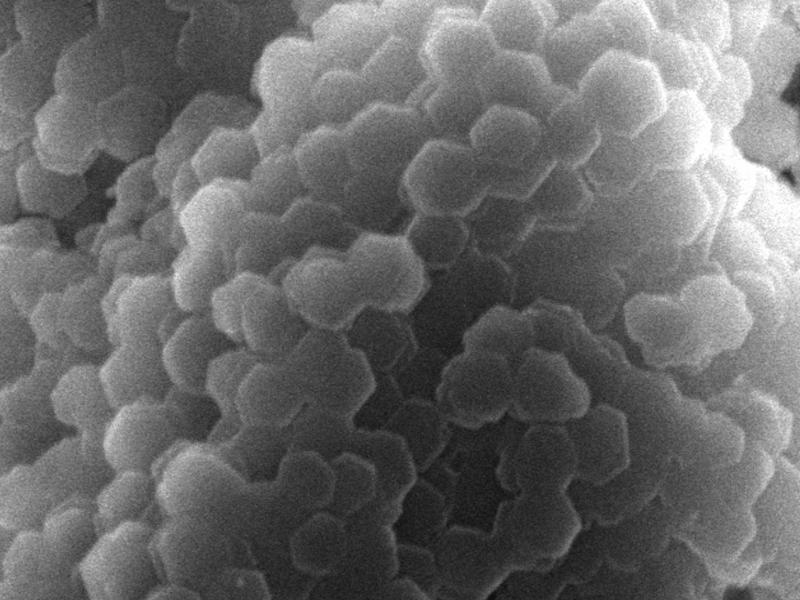
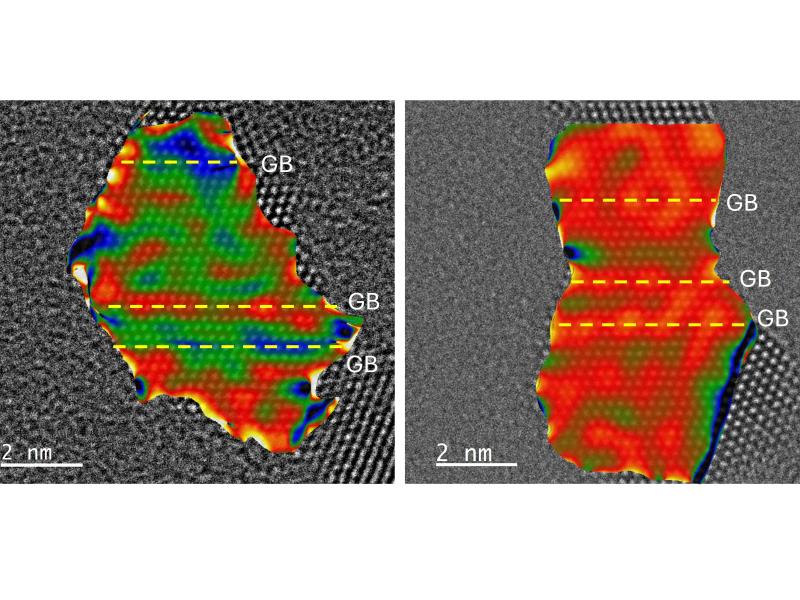
Hydrogen preferentially inserts at grain boundaries between interconnected chains of palladium nanoparticles, which have a lower energy barrier for hydrogen incorporation into the material.
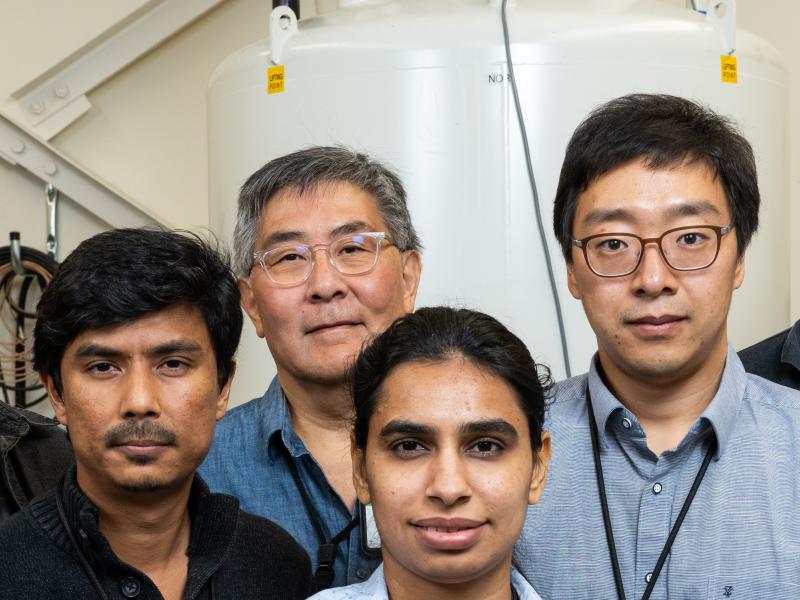
A team independently verified solid-state plutonium signal in nuclear magnetic resonance spectroscopy and acquired new fundamental insights of the physics and chemistry of plutonium dioxide.
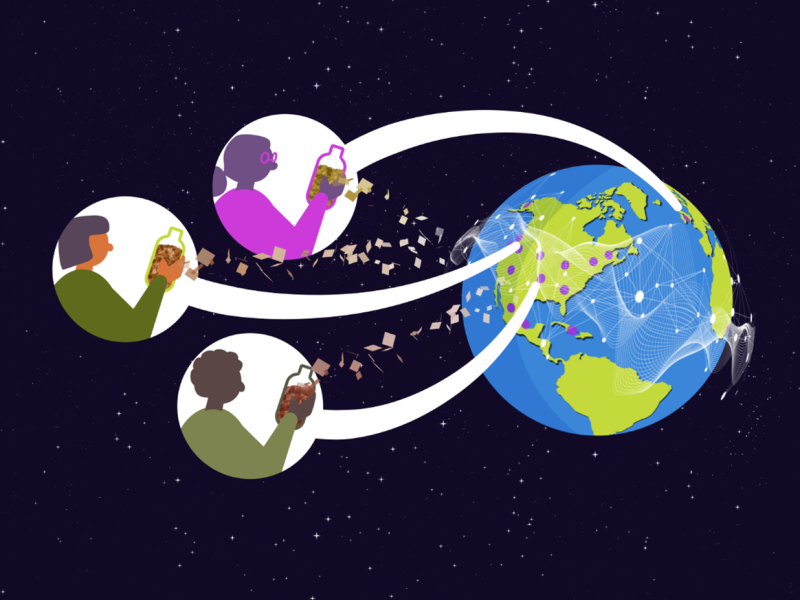
Distributed science is thriving at PNNL, where scientists share data and collaborate with researchers around the world to increase the impact of the work.
From developing new energy storage materials to revealing patterns of Earth’s complex systems, studies led by PNNL researchers are recognized for their innovation and influence.