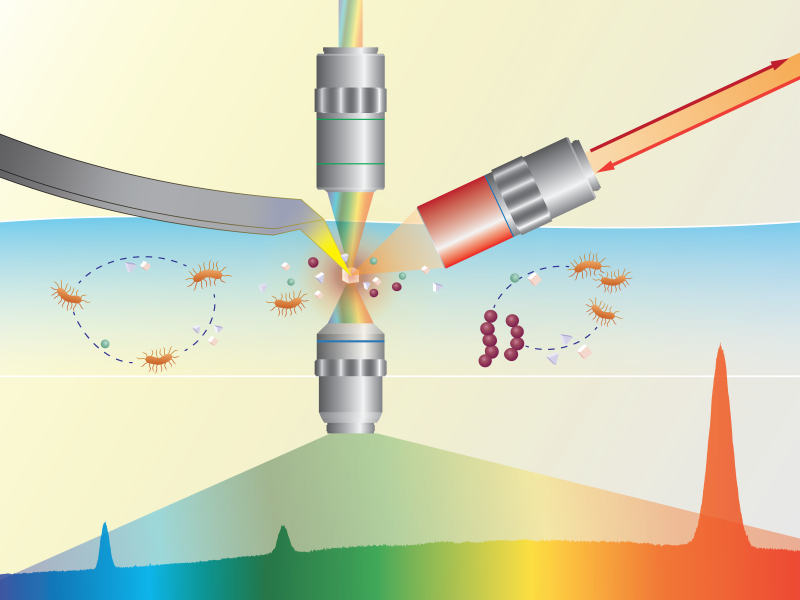
A new nano-optical bioimaging technology in development at PNNL enables researchers to watch climate-bellwether microbes exchange metabolites and other essential signals.
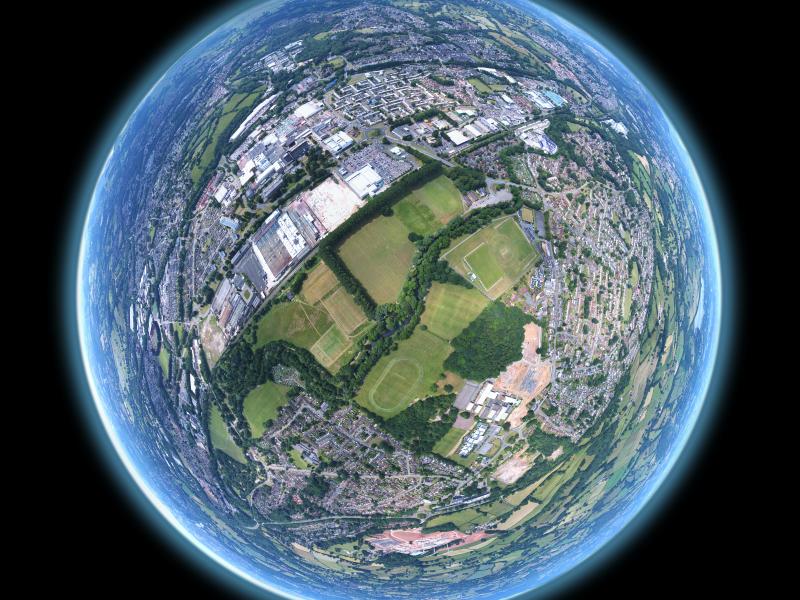
A multi-omics analysis provides the framework for gaining insights into the structure and function of microbial communities across multiple habitats on a planetary scale
In new work, PNNL researchers find that 10 gigatons of carbon dioxide may need to be pulled from Earth's atmosphere and oceans annually to limit global warming to 1.5 degrees. A diverse suite of carbon dioxide removal methods will be key.
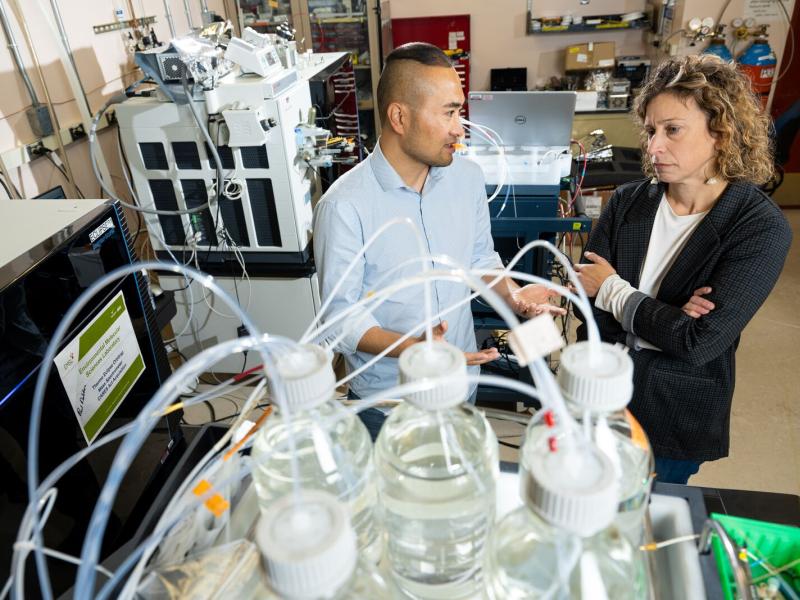
Gosline works to develop computational algorithms that are uniquely targeted for rare disease work by doing foundational research in model system development. This work can be expanded to all model systems in human disease.
Cesar Moriel from University of Texas at El Paso will be interning at the PNNL over the summer as part of the Energy Environment Diversity Internship Program.
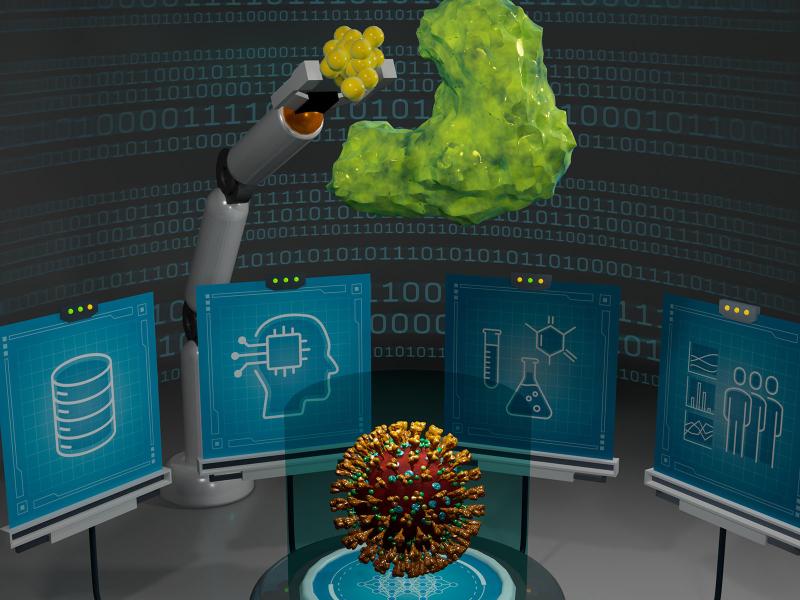
Data-driven autonomous technology to rapidly design and deliver antiviral interventions targeting SARS-CoV-2 to reduce drug discovery timeline and advance bio preparedness capabilities.
Report for the Oregon Public Utility Commission highlights innovations and best practices for resilience and utility planning could be helpful to other states as well.
Data scientist Jung Lee accepted the position of review editor for Frontiers in Computational Neuroscience after serving as a guest editor for a special issue.
Kathleen Doty recently shared legal insight on the challenge of space debris in her presentation “Regulating Space Junk” as part of the University of Georgia School of Law’s Spring 2023 Space Law Speaker Series.