From developing new energy storage materials to revealing patterns of Earth’s complex systems, studies led by PNNL researchers are recognized for their innovation and influence.
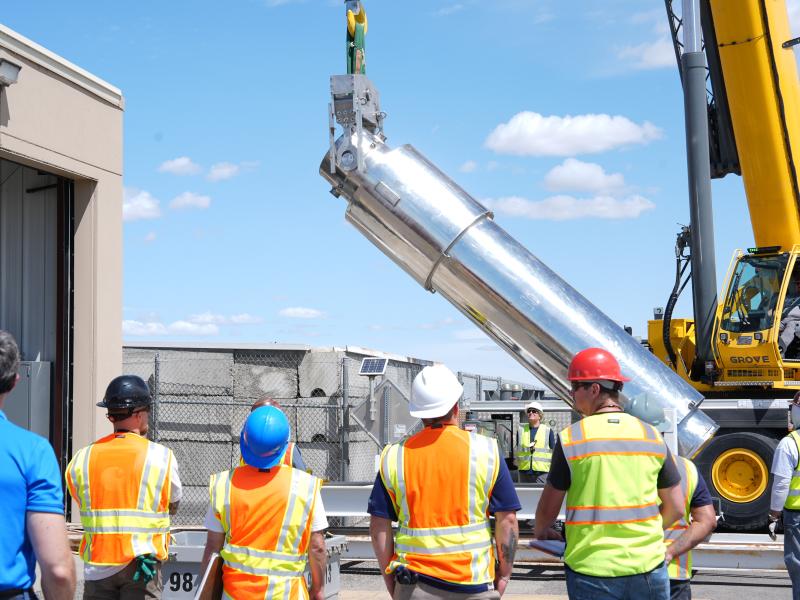
Through an unprecedented collaboration with Idaho, Savannah River, and Argonne national laboratories, the Athena Project has built a network of nearly 150 scientists.
PNNL's E-COMP initiative is helping unleash American energy innovation with advanced theories, models, and software tools to better operate power systems that rely heavily on high-speed power electronic control.
For PNNL’s Jonathan Evarts, Hope Lackey, and Erik Reinhart, this partnership with WSU opened doors and provided opportunities for their scientific careers to flourish.
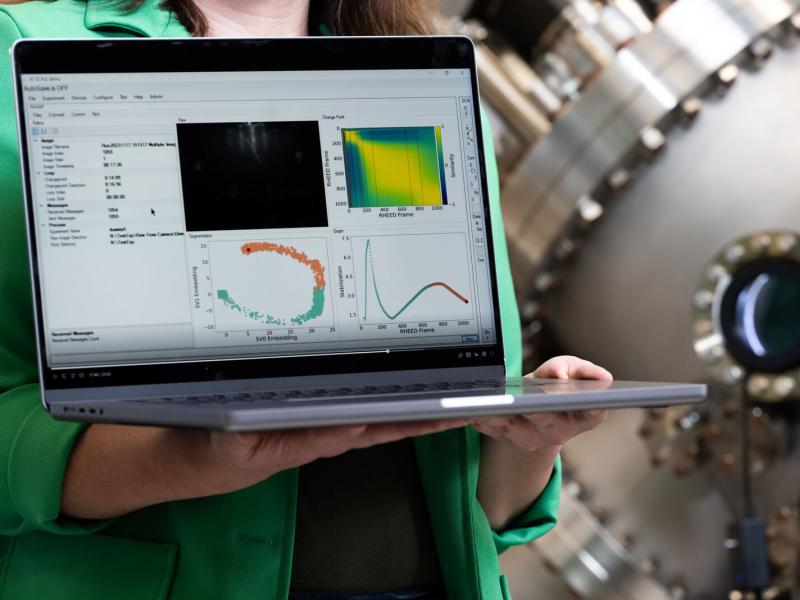
By combining computational modeling with experimental research, scientists identified a promising composition that reduces the need for a critical material in an alloy that can withstand extreme environments.
Early life exposure to polycyclic aromatic hydrocarbons (PAHs), found in smoke, has been linked to developmental problems. To study the impacts of these pollutants, PAH metabolism in infants and adults were compared.
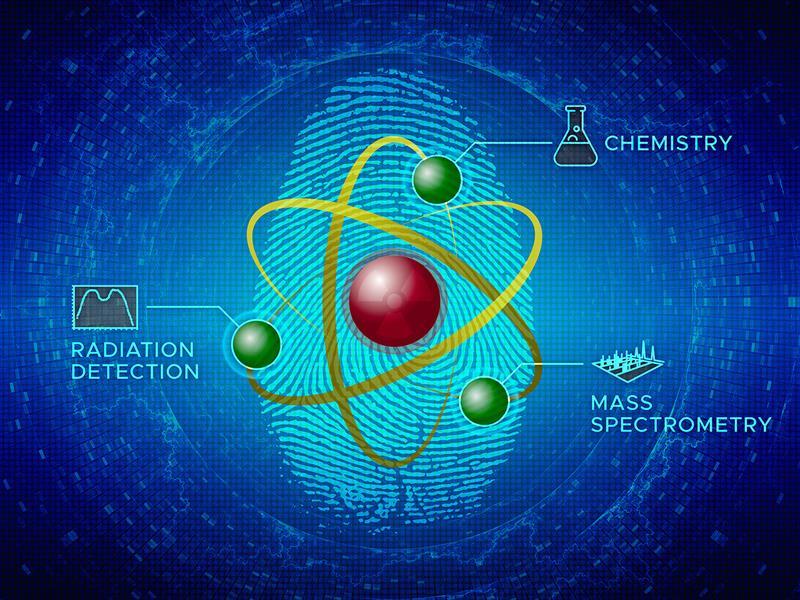
PNNL staff scientist selected as a guest editor for a special issue titled “Ligand-Metal Complementarity in Rare Earth and Actinide Chemistry,” in the well-known journal Inorganic Chemistry.
Capstone engineering projects deliver equipment to improve accuracy of chemistry lab elutions and enhance training to safeguard critical infrastructure.