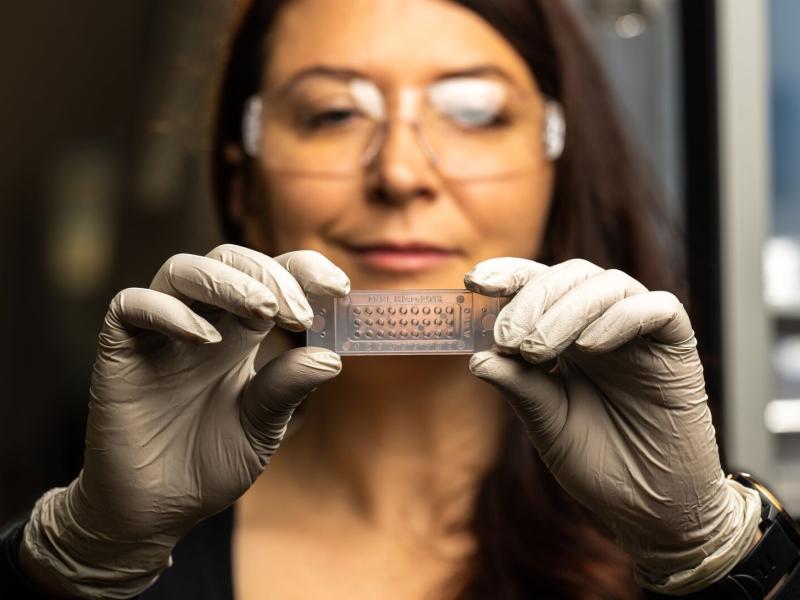
Lauren Charles, a chief data scientist at PNNL, showcased the vital research coming out of her program at The National Academies Forum workshop in Washington, D.C., January 15–16, 2025.
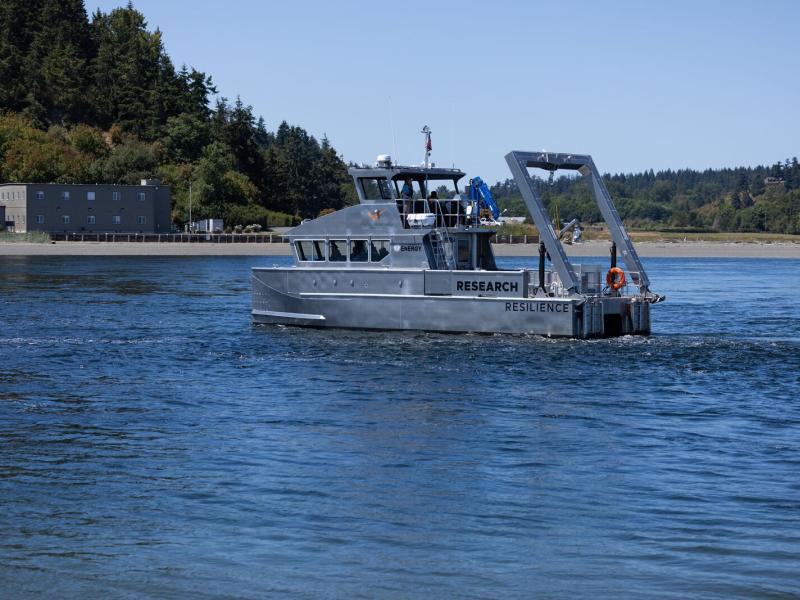
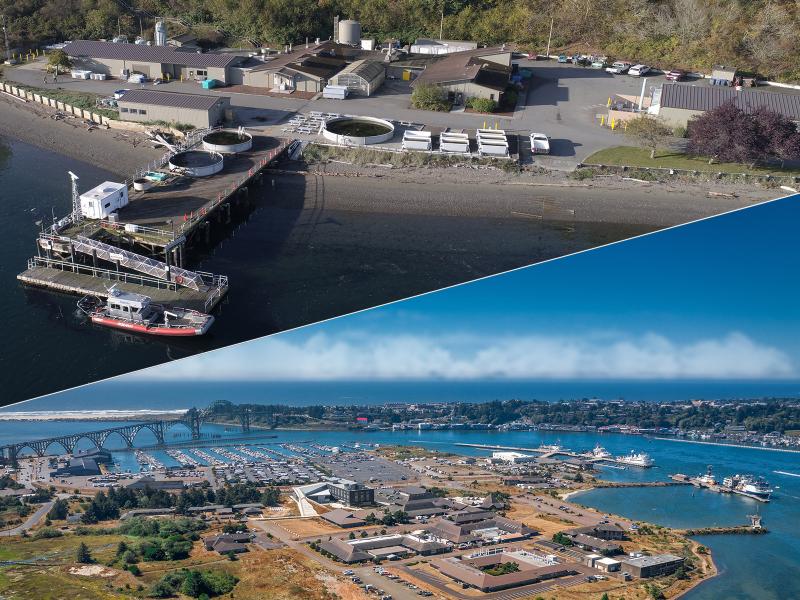
The first tidal turbine deployed in the Pacific Northwest at PNNL-Sequim showcases the Lab’s growing role as a regional center for marine energy research.
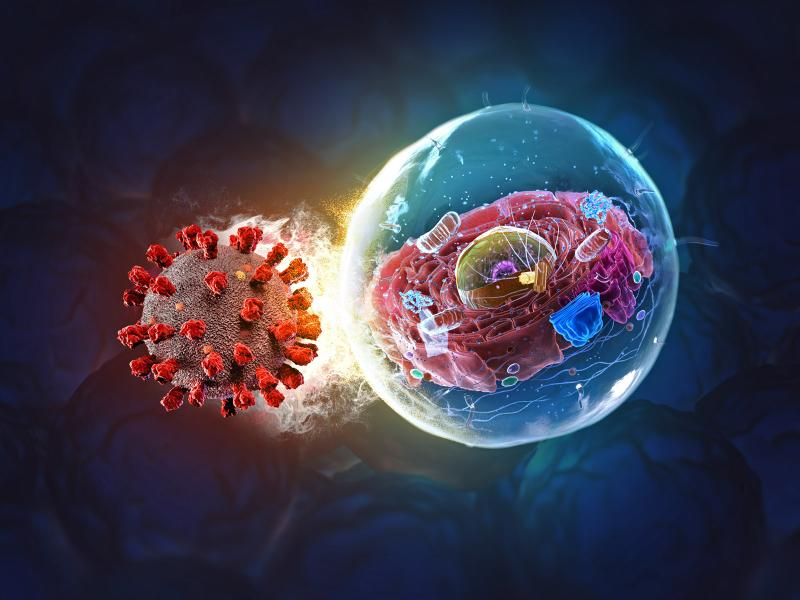
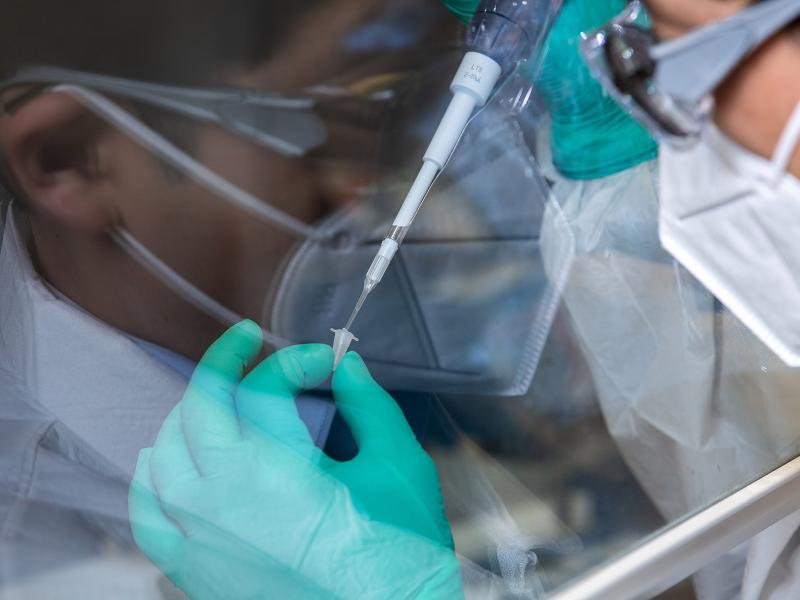
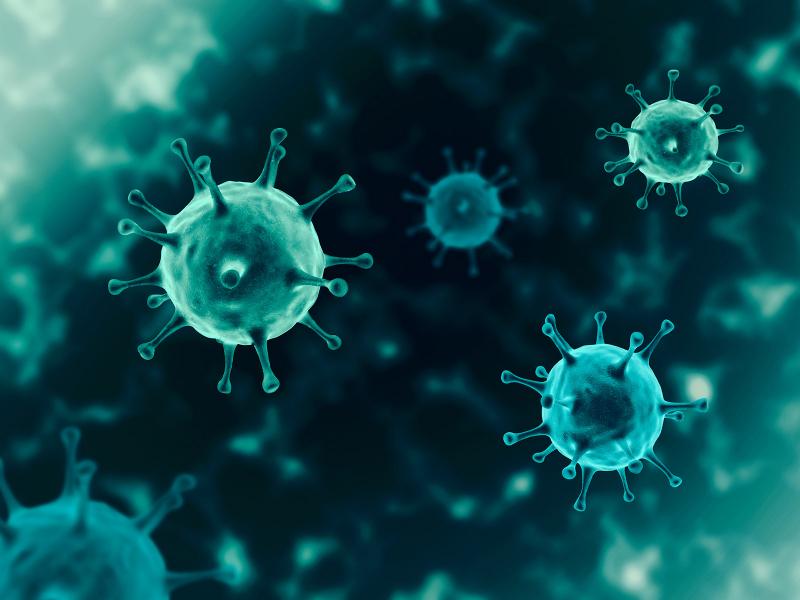
PNNL biodefense experts seek to identify, understand and mitigate the risks of biological pathogens—whether naturally occurring or intentionally created—so steps can be taken to prepare and respond.
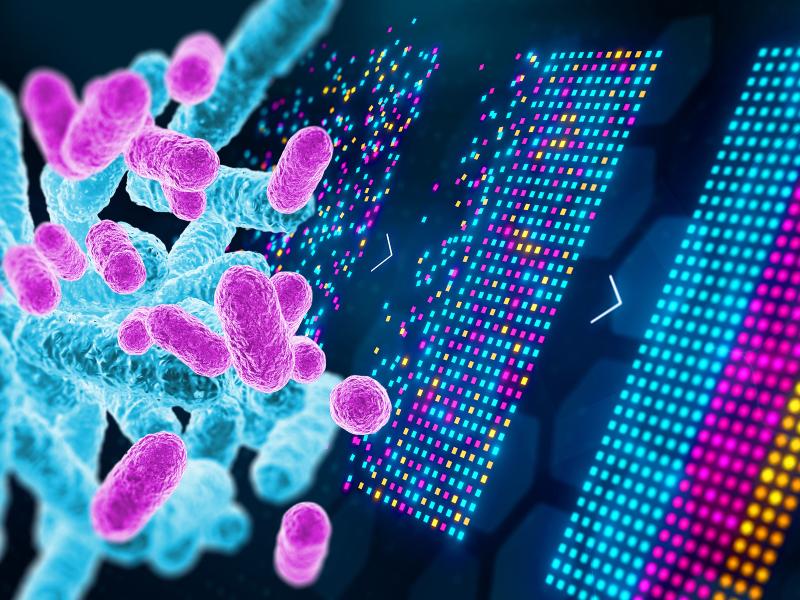
Research at PNNL and the University of Texas at El Paso are addressing computational challenges of thinking beyond the list and developing bioagent-agnostic signatures to assess threats.
Spatial proteomics enables researchers to link protein measurements to features in the image of a tissue sample, which are lost using standard approaches.
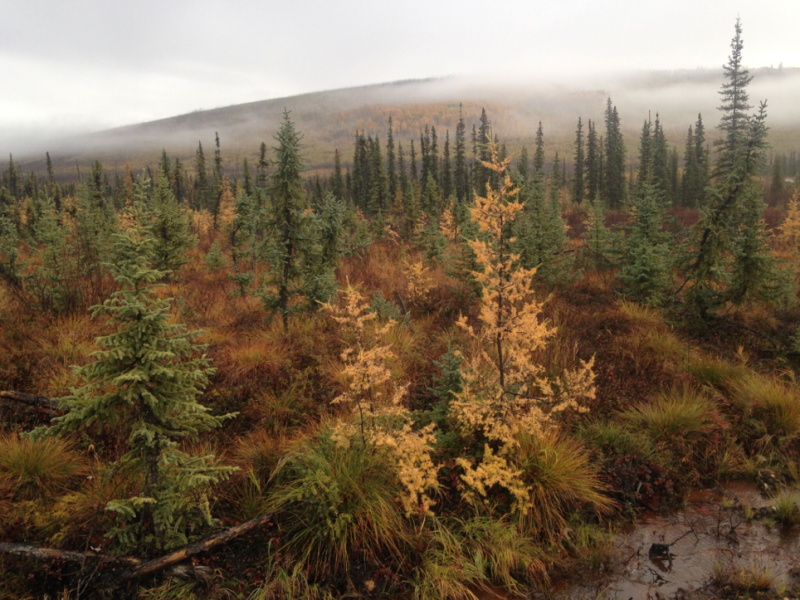
Microbes that were previously frozen in soils are becoming more active. This study demonstrates the diverse RNA viral communities found in thawed permafrost.
New research findings published in Science Advances (November 2022), help explain the progression of Alzheimer-related dementia in each patient. The findings outline a biological classification system that predicts disease severity.
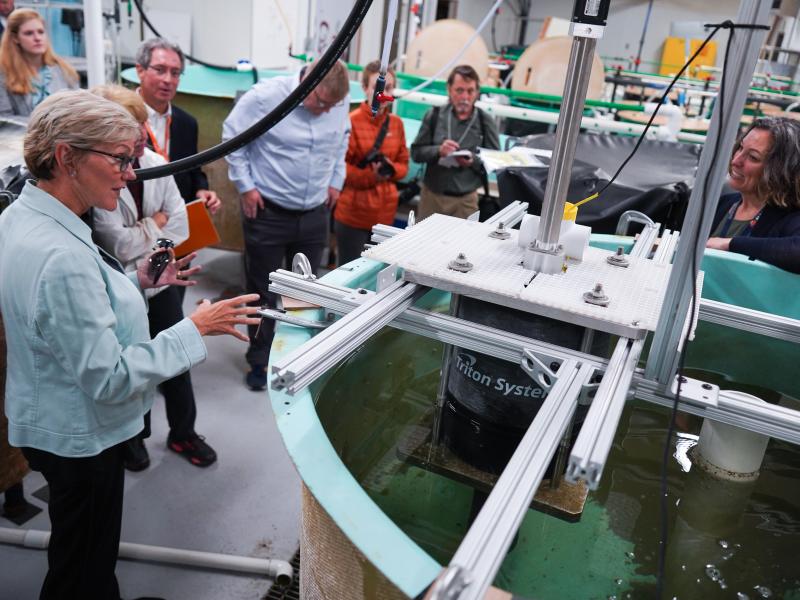
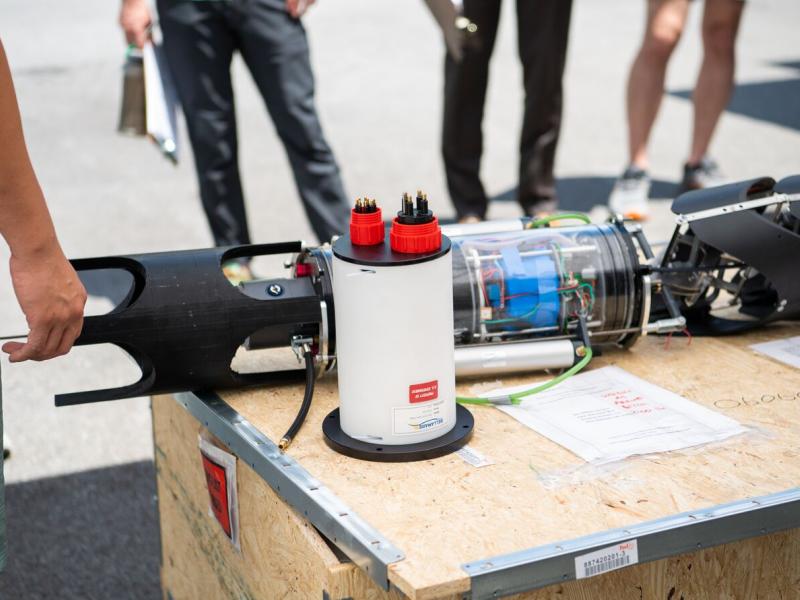
PNNL researchers developed the dummy payload to evaluate the performance of marine energy device prototypes in the Powering the Blue Economy: Ocean Observing Prize Competition.