Using numerical simulations to reproduce the laboratory experiments, this study reveals that liquid droplets are present near the bottom surface, which warms and moistens the air in the chamber.
PNNL researchers earned five Papers of Note, 17 Superior Papers, and one poster award for their environmental remediation, radioactive waste, and nuclear energy-related presentations.
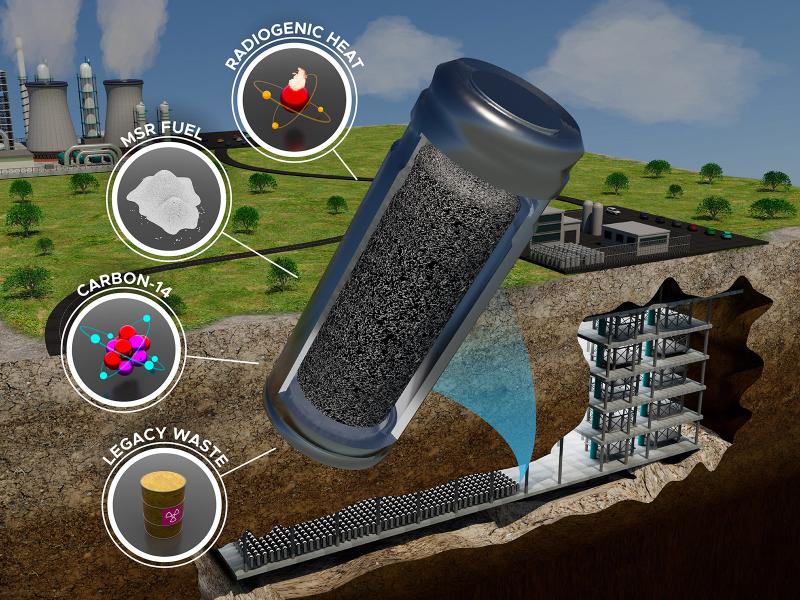
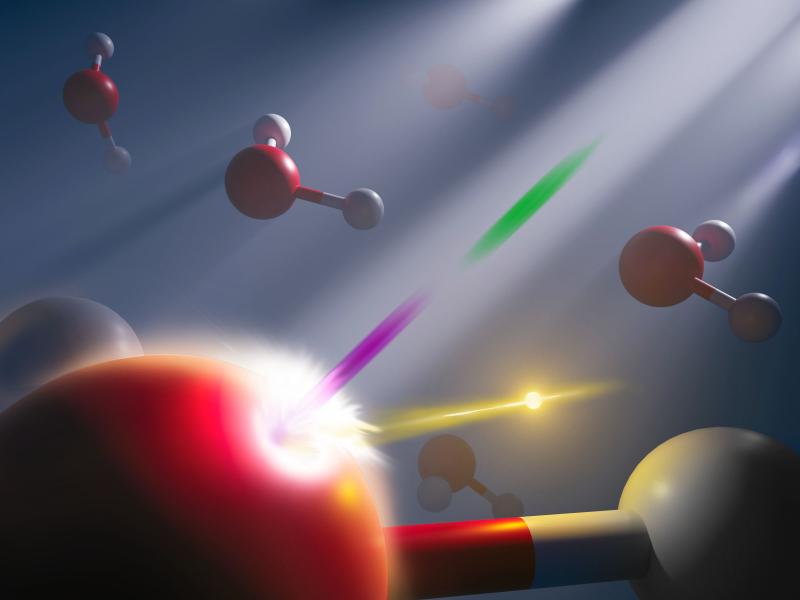
New funding spurs a new approach to researching the effective retrieval and processing of legacy radioactive waste. Four-year focus of the IDREAM EFRC will link attosecond timescales to decades-long chemical processes.
Aerosol particles imbue climate models with uncertainty. New work by PNNL researchers reveals where in the world and under what conditions new particles are born.
Kriston Brooks received the 2023 Department of Energy Office of Classification Outstanding DC Award, which is given to those in the classification community who have made significant contributions.
PNNL’s patented Shear Assisted Processing and Extrusion (ShAPE™) technique is an advanced manufacturing technology that enables better-performing materials and components while offering opportunities to reduce costs and energy consumption.
Researchers show how satellite observations from the MODerate Resolution Imaging Spectroradiometer and CloudSat radar can be used to constrain the ACI radiative forcing that is linked to droplet collection in marine liquid clouds.
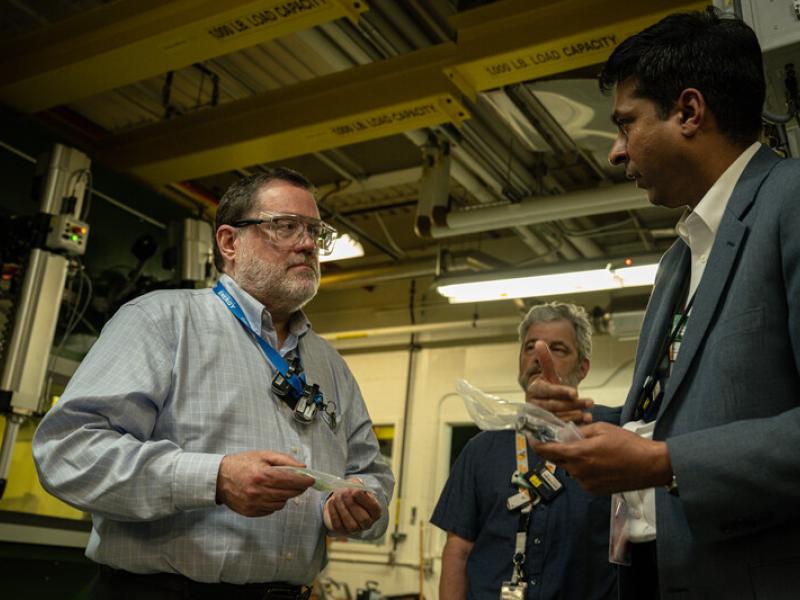
The Department of Energy Office of Nuclear Energy acting assistant secretary makes his first visit to a national laboratory in his new role, touring PNNL's Radiochemical Processing Laboratory.