A modeling study shows that adding batteries to a dam could decrease the wear and tear on hydropower turbines and open up new opportunities for dam operators to earn revenue.
From developing new energy storage materials to revealing patterns of Earth’s complex systems, studies led by PNNL researchers are recognized for their innovation and influence.
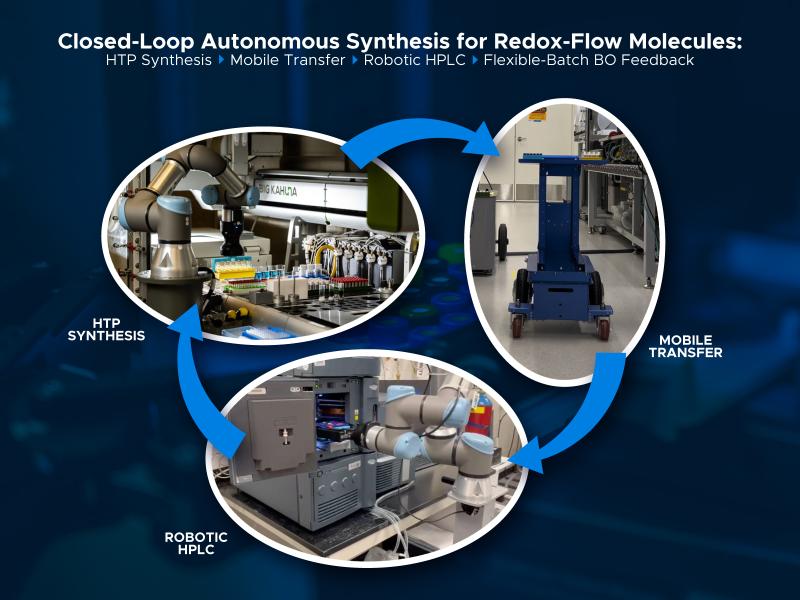
A closed-loop workflow brings together digital and physical frameworks to advance high-throughput experimentation on redox-active molecules in flow batteries.
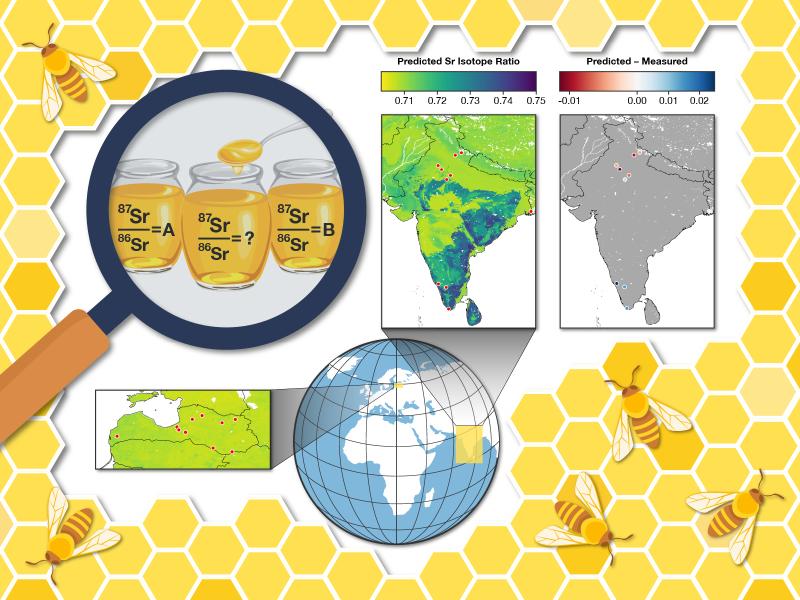
A study by researchers at PNNL assessed the feasibility of using strontium isotope ratios and an existing machine learning–based model to predict and verify a product’s source—in this case, honey.
David Heldebrant was selected for the 2025 Distinguished Service Award from the American Chemical Society Division of Energy & Fuels, recognizing his impact to energy and fuels chemistry.
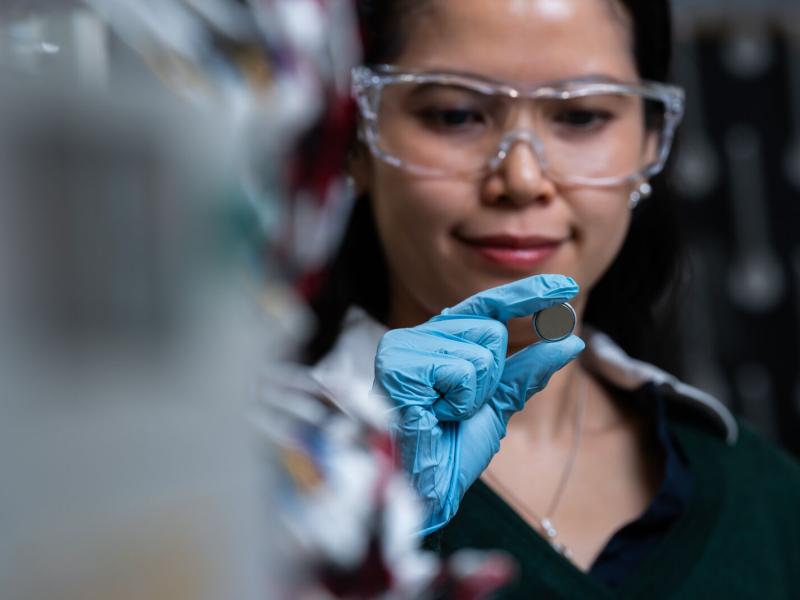
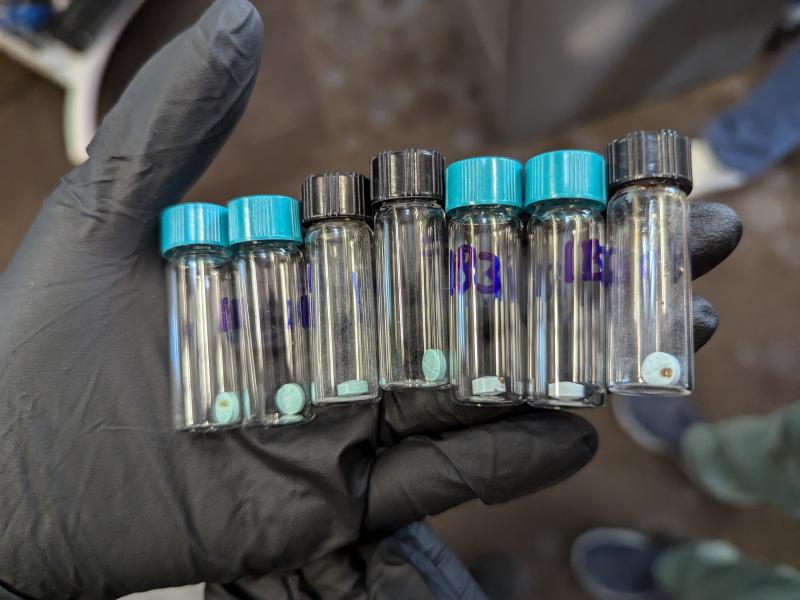
The Low-cost Earth-abundant Na-ion Storage consortium is a major effort to create superior, no-compromise batteries that replace lithium with inexpensive, domestically abundant sodium and use few—if any—critical materials.
PNNL's E-COMP initiative is helping unleash American energy innovation with advanced theories, models, and software tools to better operate power systems that rely heavily on high-speed power electronic control.
CO2 separation is key for natural gas purification, but conventional techniques are high-emission processes. New research reveals a novel, doubly segmented, CO2-selective membrane that increases CO2 permeability and reduces emissions.