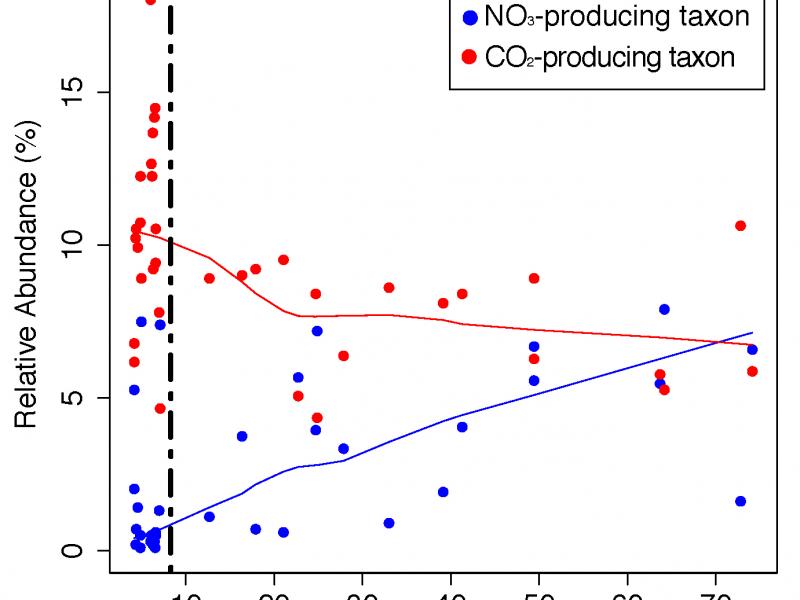
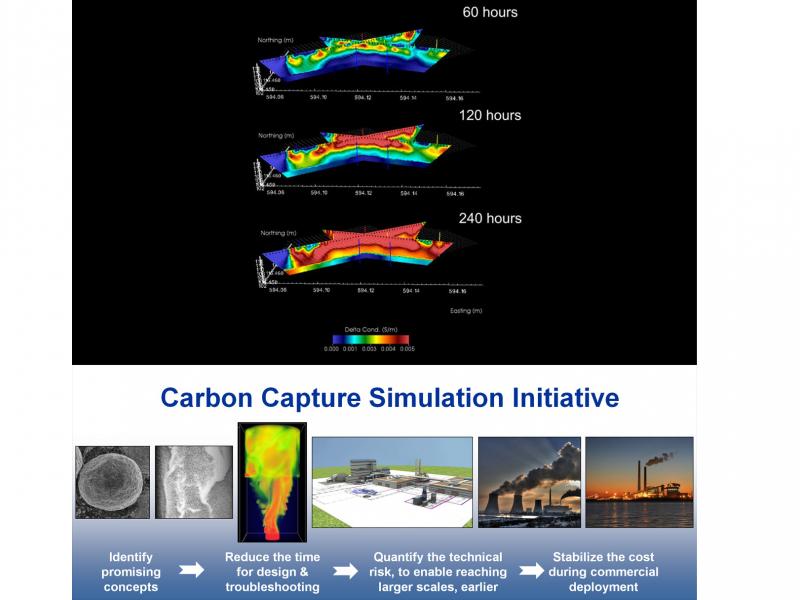
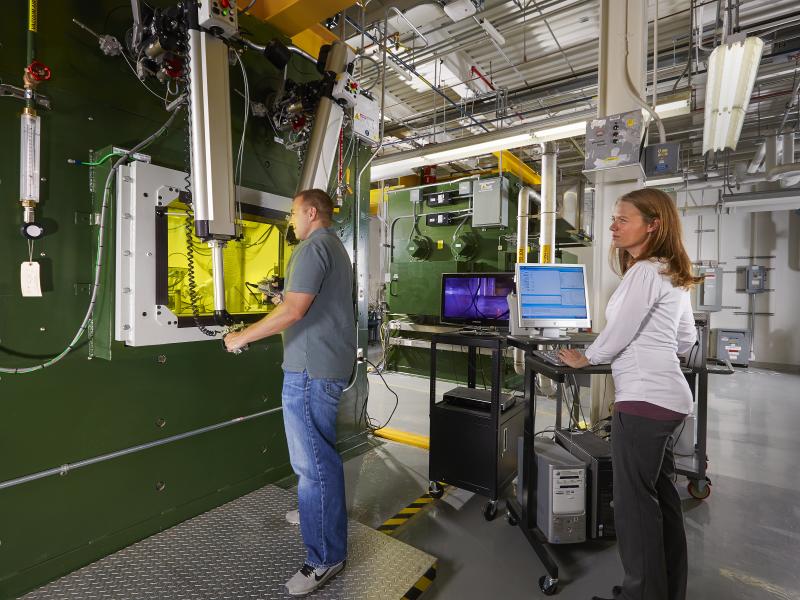
PNNL tools that track underground contaminants and speed carbon capture technology development are among R&D Magazine's 100 most innovative scientific breakthroughs of the year.
In fast-neutron reactors, fuel is sealed in ~7 millimeter diameter steel tubes called cladding. When a high-energy "fast" neutron strikes an atom in the steel, it can knock the atom out of place, like a cue ball striking another billiard ball. This leaves two types of damage in the metal: an empty spot where the atom was, and the displaced atom wedged between other atoms. Over time, these defects typically drive undesirable rearrangement of the microstructure, potentially reducing the life of the cladding.
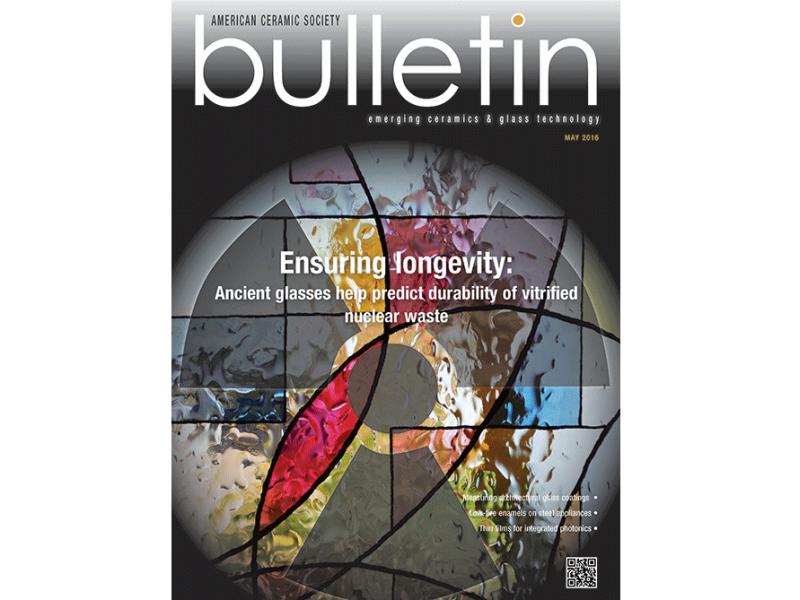
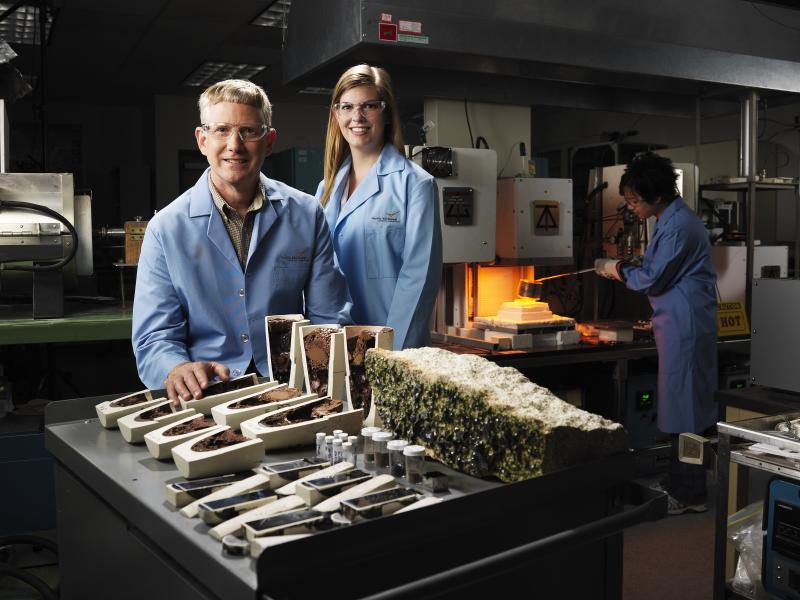
How might getting old—really old—affect the glass waste form chosen to immobilize radioactive waste at the Hanford Site in southeastern Washington state? Researchers are seeking answers from walls containing ancient glass in Europe. These walls, known as hillforts, are defense structures that date as far back as the Bronze Age. The researchers progress is the cover story in the May 2016 American Ceramic Society Bulletin.
PNNL takes pride in advancing scientific frontiers and developing solutions to vexing problems. In particular, we apply our technical expertise to address national needs in security, energy and the environment.