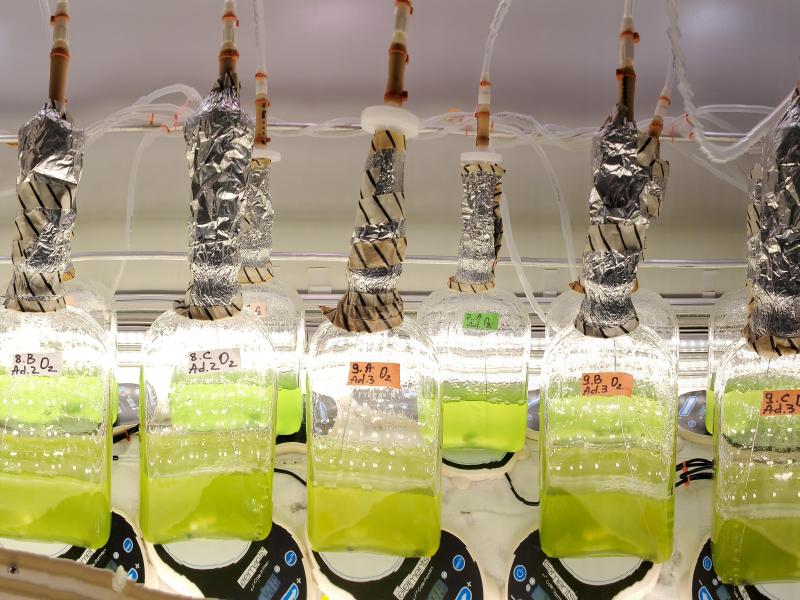
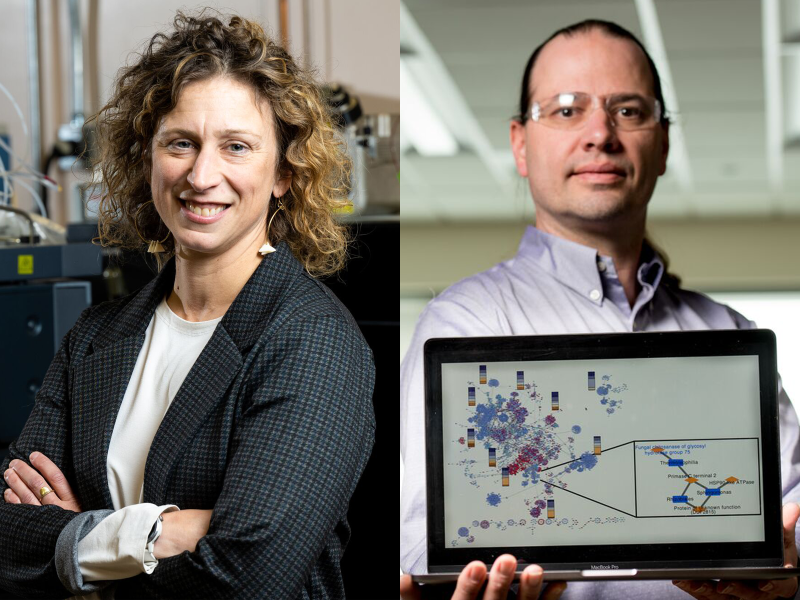
Predicting how organisms’ characteristics respond to not only their genes, but also their environments (a nascent field called predictive phenomics), is extraordinarily challenging. Researchers at PNNL are using AI to tackle that challenge.
PNNL researchers have found yet another way to turn trash into treasure: using algal biochar, a waste production from hydrothermal liquefaction, as a supplementary material for cement.
From vehicles and airplanes to solid-phase processing of metals—how Curt Lavender and his team at PNNL solve industry problems with practical ingenuity.
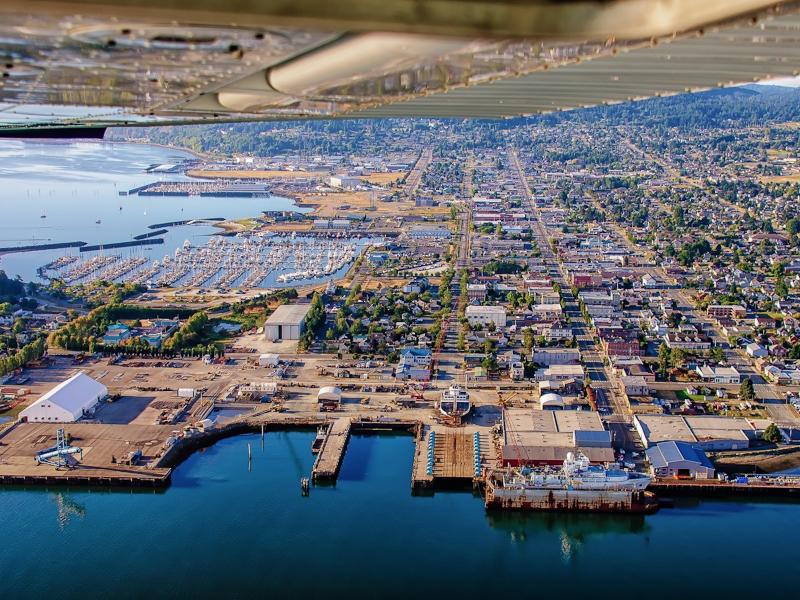
PNNL’s experts in electrification advised ports how to modernize the use of energy resources at the Port of Anacortes. Now they will help do the same with several others.
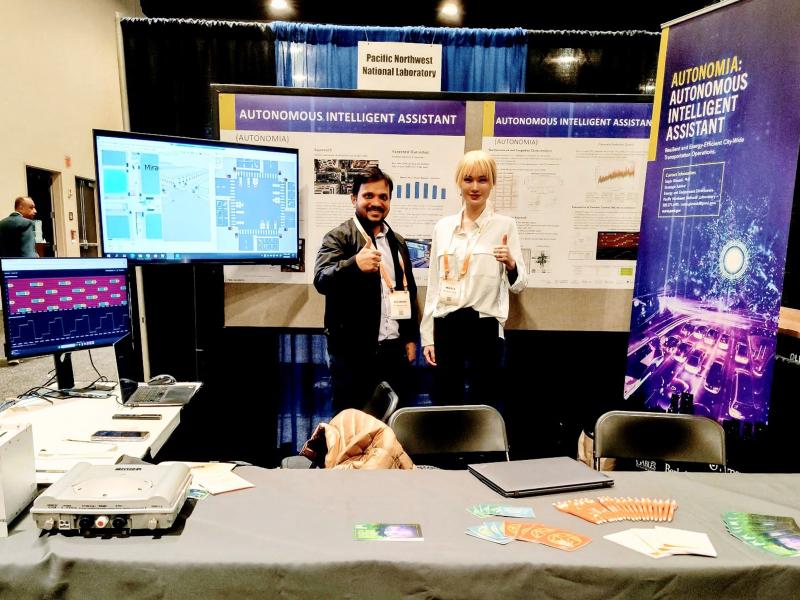
The ARPA-E Energy Innovation Summit brings together researchers, industry leaders, entrepreneurs, and investors to showcase the latest technologies shaping tomorrow’s energy landscape. This year, eight projects led by PNNL were featured.
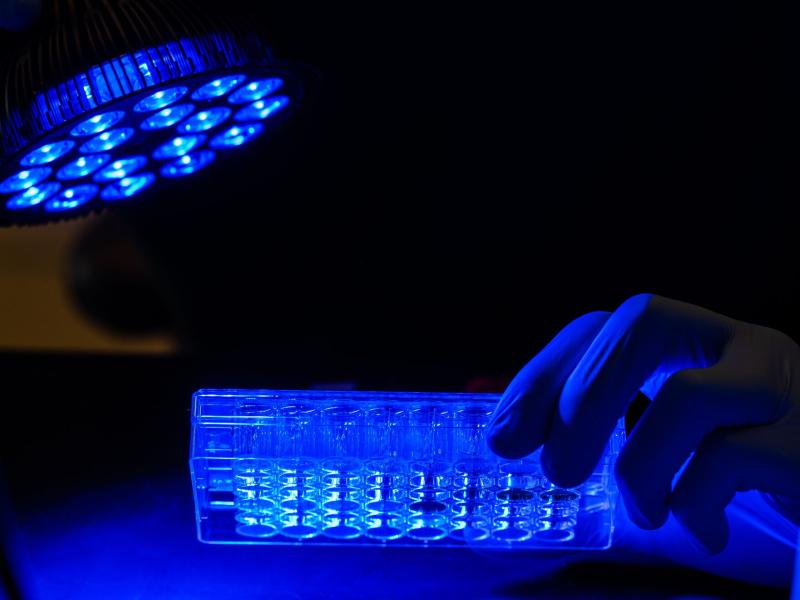
Researchers at PNNL are pursuing new approaches to understand, predict and control the phenome—the collection of biological traits within an organism shaped by its genes and interactions with the environment.
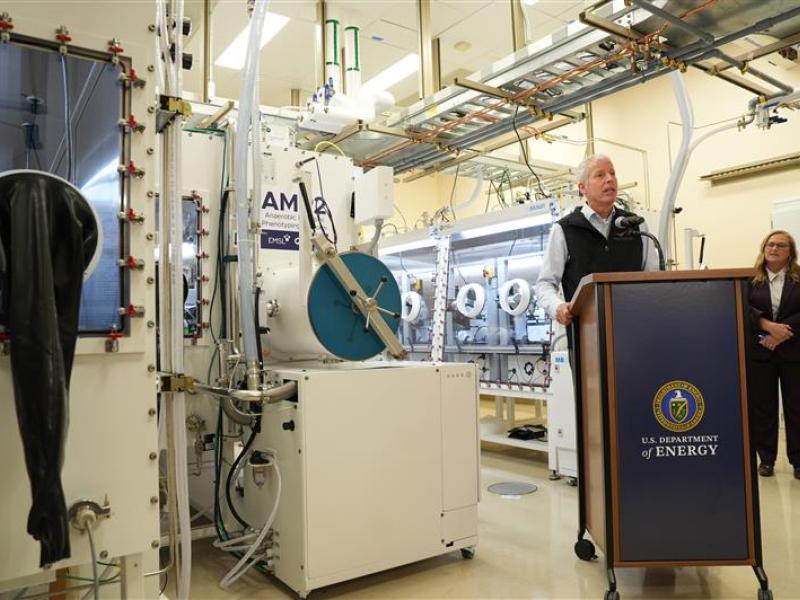
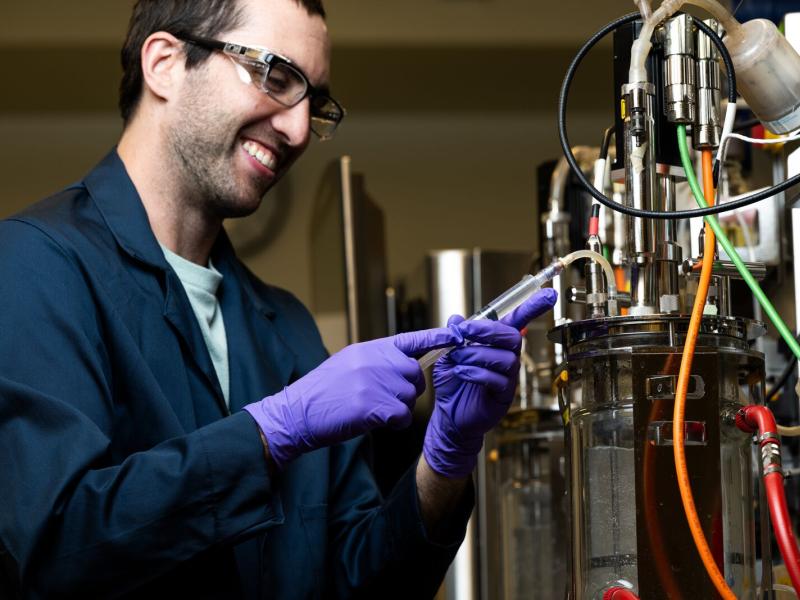
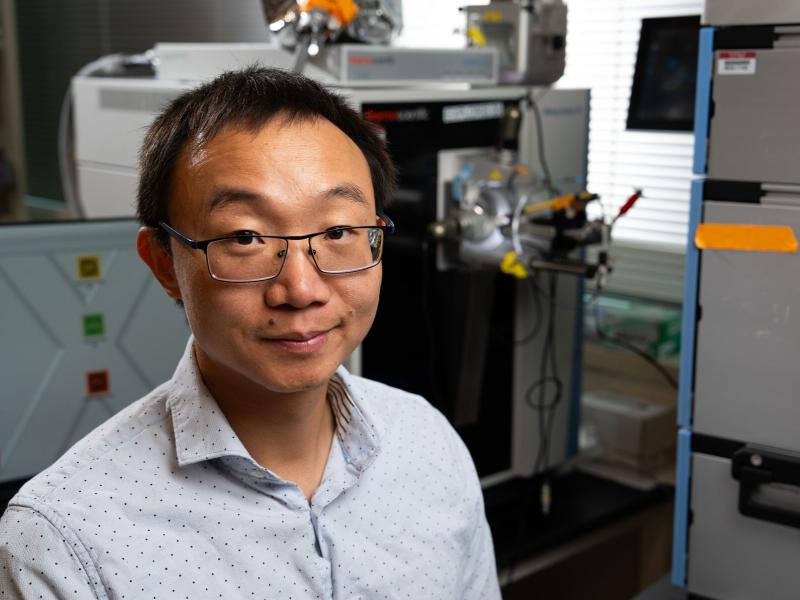
Armed with some of the world’s most advanced instrumentation, researchers at PNNL are working to analyze huge amounts of data and uncover hidden biological connections.
Three PNNL technologies have been declared winners of 2025 Federal Laboratory Consortium Awards, named for a program that recognizes federal laboratories and their industry partners for outstanding technology transfer achievements.
By combining computational modeling with experimental research, scientists identified a promising composition that reduces the need for a critical material in an alloy that can withstand extreme environments.