From developing new energy storage materials to revealing patterns of Earth’s complex systems, studies led by PNNL researchers are recognized for their innovation and influence.
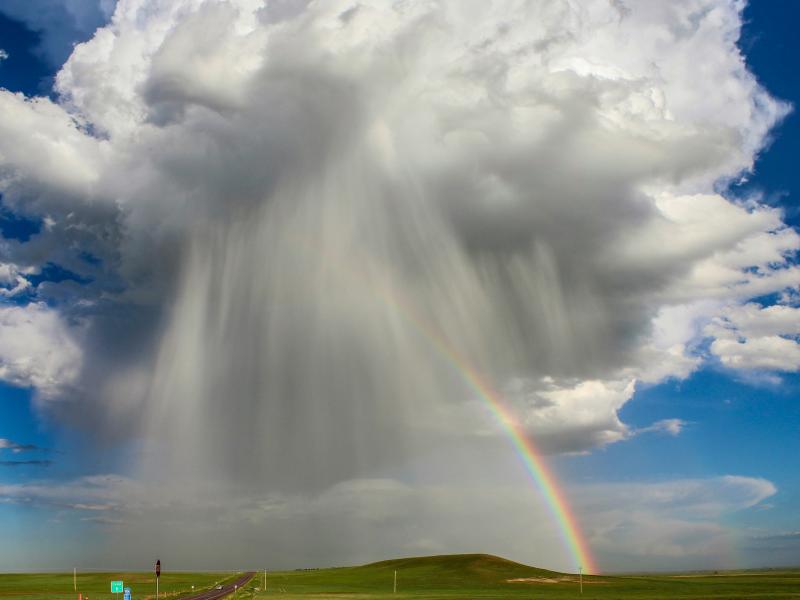
The ability of a storm-resolving weather model to predict the growth of storms over central Argentina was evaluated with data from the Clouds, Aerosols, and Complex Terrain Interactions (CACTI) field campaign in central Argentina.
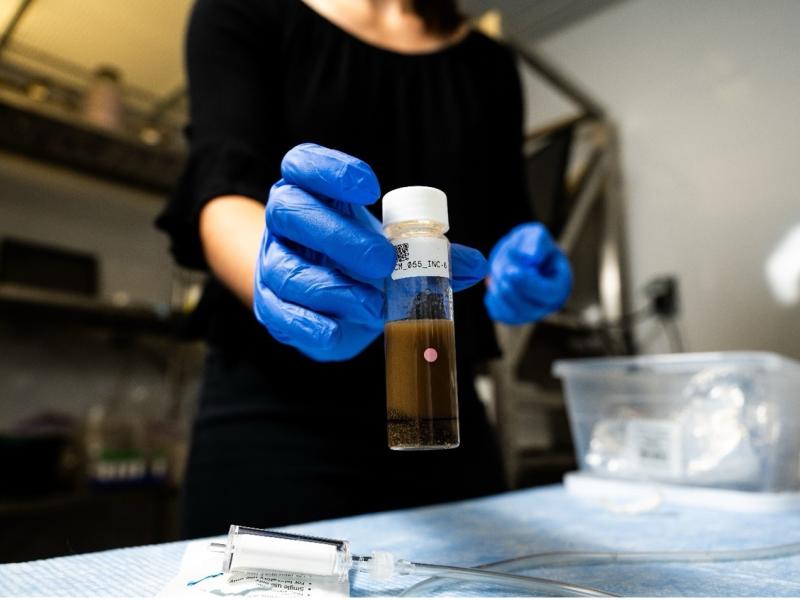
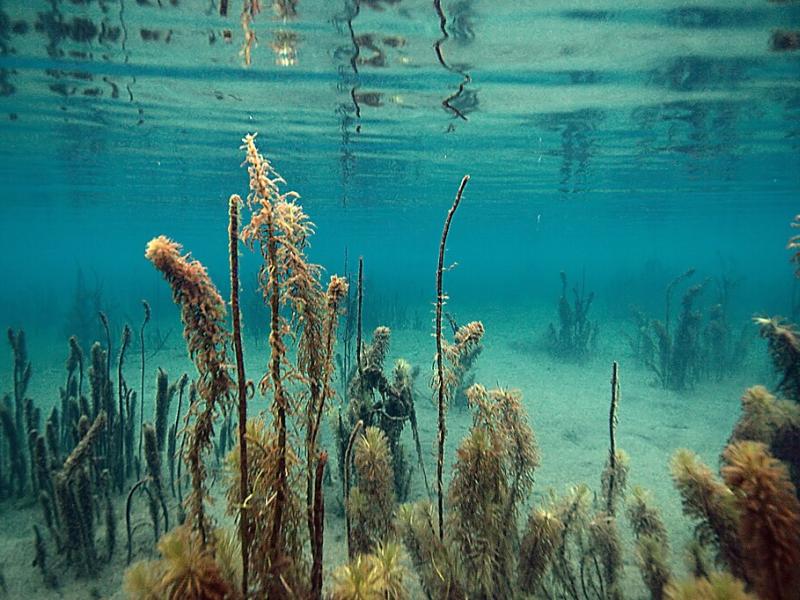
Researchers from PNNL and Parallel Works, Inc., applied machine learning methods to predict how much oxygen and nutrients are used by microorganisms in river sediments.
The rate of conversion of cloud droplets to precipitation, known as the autoconversion rate, remains a major source of uncertainty in characterizing aerosol’s cloud lifetime effects and precipitation in global and regional models.
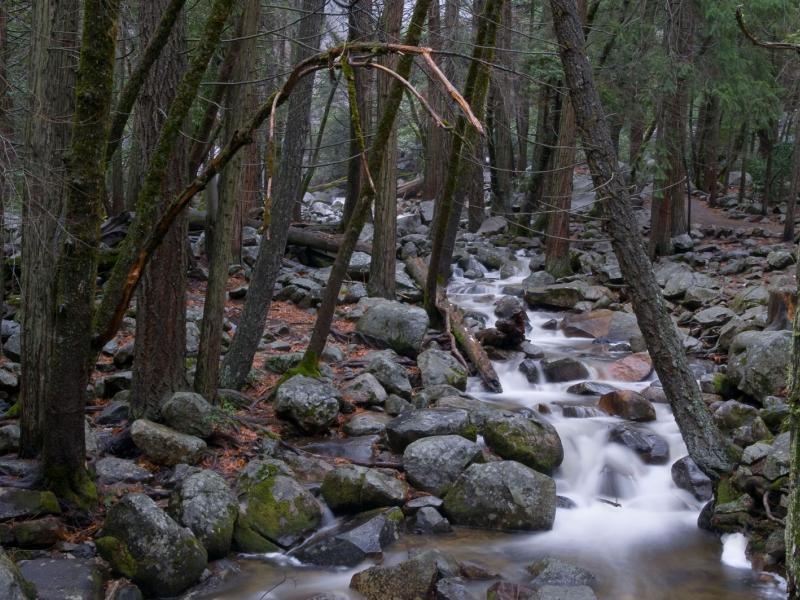
To assess the impact of observation period and gauge location, model parameters were learned on scenarios using different chunks of streamflow observations.
PNNL's E-COMP initiative is helping unleash American energy innovation with advanced theories, models, and software tools to better operate power systems that rely heavily on high-speed power electronic control.
This study presents an automated method to detect and classify open- and closed-cell mesoscale cellular convection (MCC) using long-term ground-based radar observations.
PNNL’s Matt Paiss heads NFPA 800, shaping a unified battery safety code for hazards from production to disposal with the aim of safeguarding communities and guiding safe practices worldwide.
The Grid Storage Launchpad dedication event was attended by leaders in grid and transportation energy storage, battery innovation, and industry stakeholders working to transform America’s energy system.
Erich Hsieh, Deputy Assistant Secretary for OE’s Energy Storage Division, shared insights about the Grid Storage Launchpad and energy storage innovations .
Policy changes in power, energy, buildings, and more could help slow global temperature rise, according to a new report with co-authors from PNNL’s Joint Global Change Research Institute.
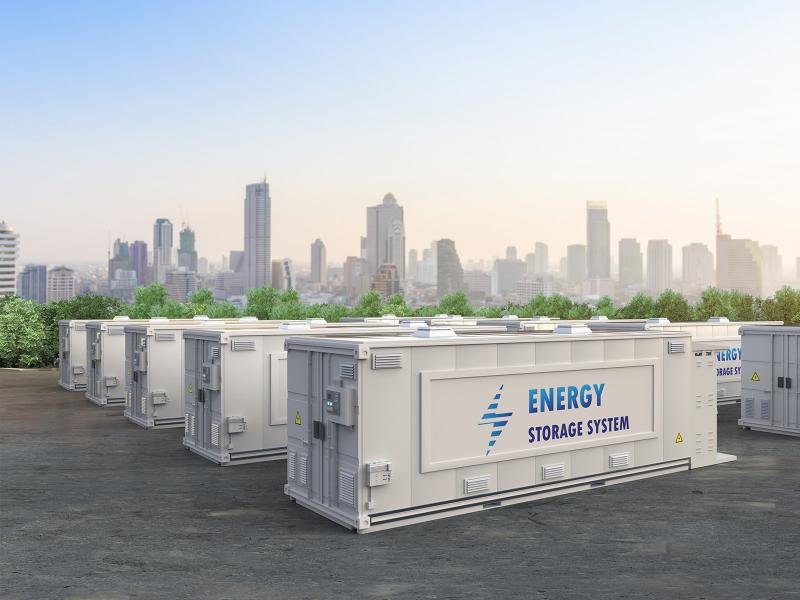
Battery energy storage systems are being proposed in municipalities across the U.S. PNNL researchers can help community planners guide safe siting and operations.
Findings in a new PNNL report show long-duration energy storage will be a necessity in decarbonizing the grid and recommends the planning and procurement process to identify those needs start immediately.
A new policy database containing energy equity-related actions could serve as a useful starting point for state policymakers and stakeholders who want to enact similar energy equity measures or adapt policies to their local circumstances.
Report for the Oregon Public Utility Commission highlights innovations and best practices for resilience and utility planning could be helpful to other states as well.